desenterrar Negative Imperative Conjugation
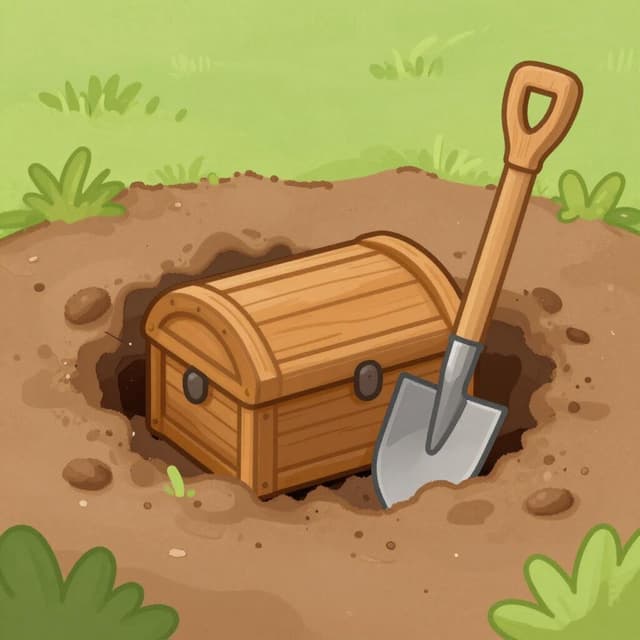
desenterrar — to dig up
Always uses the present subjunctive forms: no desentierres, no desentierre...
desenterrar Negative Imperative Forms
When to Use the Negative Imperative
Use this to tell someone NOT to dig something up or NOT to bring something up (like an old argument).
Notes on desenterrar in the Negative Imperative
Follows the present subjunctive stem changes (e-ie) except for nosotros and vosotros.
Example Sentences
No desentierres viejos problemas.
Don't dig up old problems.
tú
No desenterremos ese asunto ahora.
Let's not dig up that matter now.
nosotros
Common Mistakes
Mistake: Saying 'no desentierra'.
Correct: no desentierres
Why: Negative commands for 'tú' always end in -es for -ar verbs.
Master Spanish verbs in context
Memorizing tables only gets you so far. Read 200+ illustrated and narrated Spanish stories to see verbs like 'desenterrar' used naturally — in the tenses you're learning.
Related Tenses
Present
yo: desentierro
Desenterrar features an e-to-ie stem change in all forms except nosotros and vosotros.
Preterite
yo: desenterré
The preterite of desenterrar is completely regular, following standard -ar patterns.
Imperfect
yo: desenterraba
The imperfect of desenterrar is regular: desenterraba, desenterrabas, desenterraba...
Future
yo: desenterraré
The future is regular: add endings to the full infinitive (desenterrar + é, ás, á...).
Conditional
yo: desenterraría
The conditional is regular: desenterraría, desenterrarías, desenterraría...
Present Subjunctive
yo: desentierre
The present subjunctive follows the e-to-ie stem change: desentierre, desentierres...
Imperfect Subjunctive
yo: desenterrara
Formed from the 'ellos' preterite: desenterrara, desenterraras, desenterrara...
Affirmative Imperative
yo: desentierra
The imperative uses 'desentierra' for tú and 'desentierre' for usted.