desenterrar Preterite Conjugation
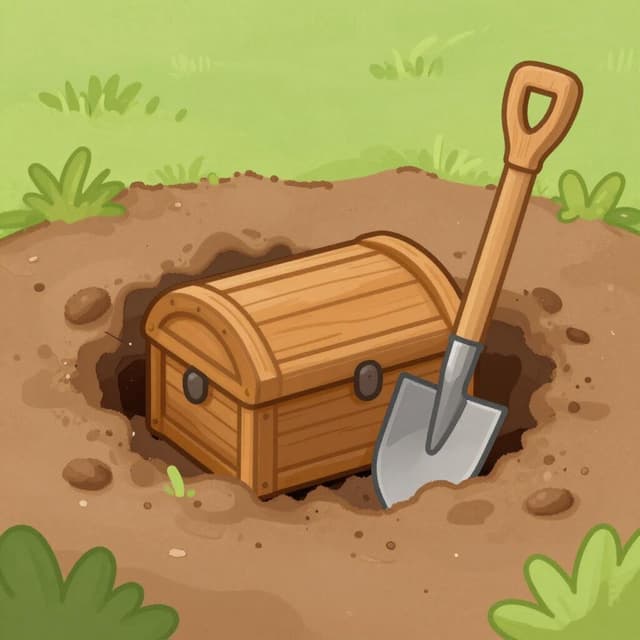
desenterrar — to dig up
The preterite of desenterrar is completely regular, following standard -ar patterns.
desenterrar Preterite Forms
When to Use the Preterite
Use the preterite when the act of digging something up was completed at a specific moment in the past, like a dog finding a bone yesterday.
Notes on desenterrar in the Preterite
Desenterrar is regular in the preterite. The stem change (e-ie) that happens in the present does NOT happen here.
Example Sentences
Desenterré una caja vieja en el patio.
I dug up an old box in the yard.
yo
¿Desenterraste el rosal ayer?
Did you dig up the rose bush yesterday?
tú
Ellos desenterraron la cápsula del tiempo.
They dug up the time capsule.
ellos/ellas/ustedes
Common Mistakes
Mistake: Saying 'desentierré' with a stem change.
Correct: desenterré
Why: Stem changes for -ar verbs only occur in the present tense, not the preterite.
Master Spanish verbs in context
Memorizing tables only gets you so far. Read 200+ illustrated and narrated Spanish stories to see verbs like 'desenterrar' used naturally — in the tenses you're learning.
Related Tenses
Present
yo: desentierro
Desenterrar features an e-to-ie stem change in all forms except nosotros and vosotros.
Imperfect
yo: desenterraba
The imperfect of desenterrar is regular: desenterraba, desenterrabas, desenterraba...
Future
yo: desenterraré
The future is regular: add endings to the full infinitive (desenterrar + é, ás, á...).
Conditional
yo: desenterraría
The conditional is regular: desenterraría, desenterrarías, desenterraría...
Present Subjunctive
yo: desentierre
The present subjunctive follows the e-to-ie stem change: desentierre, desentierres...
Imperfect Subjunctive
yo: desenterrara
Formed from the 'ellos' preterite: desenterrara, desenterraras, desenterrara...
Affirmative Imperative
yo: desentierra
The imperative uses 'desentierra' for tú and 'desentierre' for usted.
Negative Imperative
yo: no desentierres
Always uses the present subjunctive forms: no desentierres, no desentierre...