desertar Preterite Conjugation
desertar — to desert
The preterite of desertar is regular: deserté, desertaste, desertó, desertamos, desertasteis, desertaron.
desertar Preterite Forms
When to Use the Preterite
Use the preterite for the act of deserting when it was a completed action in the past with a definite beginning and end. For example, someone deserting their post at a specific time.
Notes on desertar in the Preterite
Desertar is fully regular in the preterite. The nosotros form 'desertamos' is identical to the present indicative; context will clarify which tense is meant.
Example Sentences
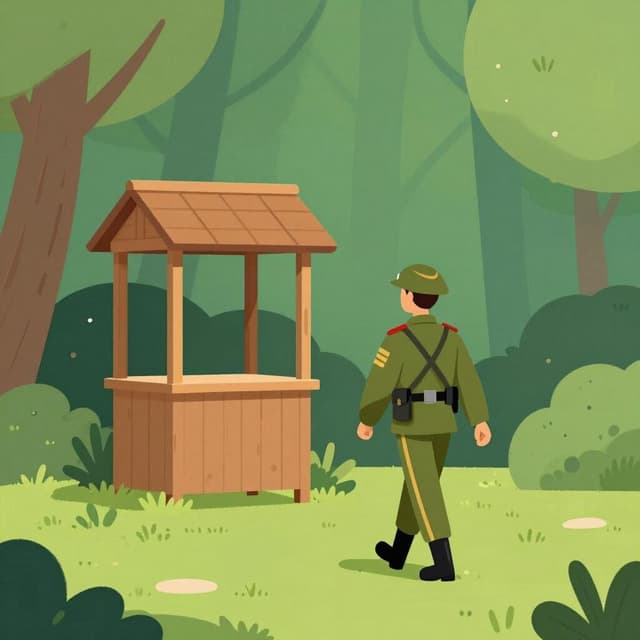
El soldado desertó de su batallón ayer.
The soldier deserted his battalion yesterday.
él/ella/usted
Yo deserté de la fiesta temprano.
I left the party early (deserted it).
yo
¿Desertasteis del grupo?
Did you all desert the group?
vosotros
Ellos desertaron del proyecto.
They deserted the project.
ellos/ellas/ustedes
Common Mistakes
Mistake: Using the imperfect instead of the preterite for a single act of desertion.
Correct: If the act of deserting was a one-time, completed event, use 'desertó', not 'desertaba'.
Why: The preterite marks completed past actions, while the imperfect describes ongoing or habitual past actions.
Mistake: Forgetting the accent on 'desertó' (él/ella/usted).
Correct: The third-person singular preterite form requires an accent: desertó.
Why: The accent on the final 'o' indicates the stressed syllable and distinguishes it from other forms.
Master Spanish verbs in context
Memorizing tables only gets you so far. Read 200+ illustrated and narrated Spanish stories to see verbs like 'desertar' used naturally — in the tenses you're learning.
Related Tenses
Present
yo: desierto
The present indicative of desertar (desierto, desiertas, etc.) describes someone deserting now or habitually.
Imperfect
yo: desertaba
The imperfect of desertar (desertaba, desertabas, etc.) describes past habits or ongoing actions of deserting.
Future
yo: desertaré
The future tense of desertar (desertaré, desertarás, etc.) indicates an action that will happen.
Conditional
yo: desertaría
The conditional of desertar (desertaría, desertarías, etc.) is used for hypotheticals ('would') and polite requests.
Present Subjunctive
yo: desierte
The present subjunctive of desertar (desierte, desiertes, etc.) is used for wishes, doubts, emotions, and after certain conjunctions.
Imperfect Subjunctive
yo: desertara
The imperfect subjunctive of desertar (desertara, desertaras, etc.) is used for past hypotheticals, wishes, or doubts.
Affirmative Imperative
yo: desierta
The imperative of desertar uses 'desierta' (tú) and 'desierte' (usted) for commands, and 'desertad' for vosotros.
Negative Imperative
yo: no desiertes
Negative commands for desertar use the present subjunctive: no desiertes (tú), no desierte (usted), no desertéis (vosotros).