desmayar Preterite Conjugation
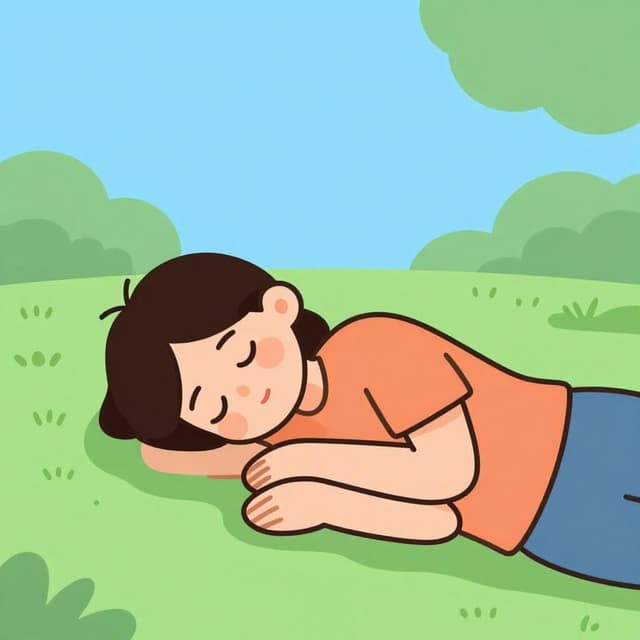
desmayar — to faint
The preterite of desmayar (desmayé, desmayaste, etc.) indicates a completed action of fainting in the past.
desmayar Preterite Forms
When to Use the Preterite
Use the preterite of desmayar to talk about a specific instance of fainting that started and finished at a particular point in the past. For example, 'He fainted yesterday.'
Notes on desmayar in the Preterite
Desmayar is regular in the preterite tense. All conjugations follow the standard -ar pattern.
Example Sentences
Ayer me desmayé por el calor.
Yesterday I fainted because of the heat.
yo
¿Te desmayaste cuando viste la sangre?
Did you faint when you saw the blood?
tú
Ella se desmayó al recibir la noticia.
She fainted upon receiving the news.
él/ella/usted
Los jugadores se desmayaron de cansancio.
The players fainted from exhaustion.
ellos/ellas/ustedes
Common Mistakes
Mistake: Confusing preterite with imperfect: 'Me desmayaba mucho'.
Correct: 'Me desmayé'.
Why: The preterite is for a single, completed event. 'Me desmayaba' would imply habitual or ongoing fainting in the past.
Master Spanish verbs in context
Memorizing tables only gets you so far. Read 200+ illustrated and narrated Spanish stories to see verbs like 'desmayar' used naturally — in the tenses you're learning.
Related Tenses
Present
yo: desmayo
The present tense of desmayar (desmayo, desmayas, etc.) describes habitual or current fainting.
Imperfect
yo: desmayaba
The imperfect of desmayar (desmayaba, desmayabas, etc.) describes ongoing or habitual fainting in the past.
Future
yo: desmayaré
The future tense of desmayar (desmayaré, desmayarás, etc.) predicts or speculates about fainting.
Conditional
yo: desmayaría
The conditional of desmayar (desmayaría, desmayarías, etc.) suggests hypothetical fainting.
Present Subjunctive
yo: desmaye
The present subjunctive of desmayar (desmaye, desmayes, etc.) expresses wishes, doubts, or emotions.
Imperfect Subjunctive
yo: desmayara
The imperfect subjunctive of desmayar (desmayara/desmayase) is for past hypotheticals or wishes.
Affirmative Imperative
yo: desmaya
The imperative of desmayar uses commands like desmaya (tú) or desmayen (ustedes).
Negative Imperative
yo: no desmayes
Negative commands for desmayar use the present subjunctive, like no desmayes (tú) or no desmayen (ustedes).