empeñar Imperfect Conjugation
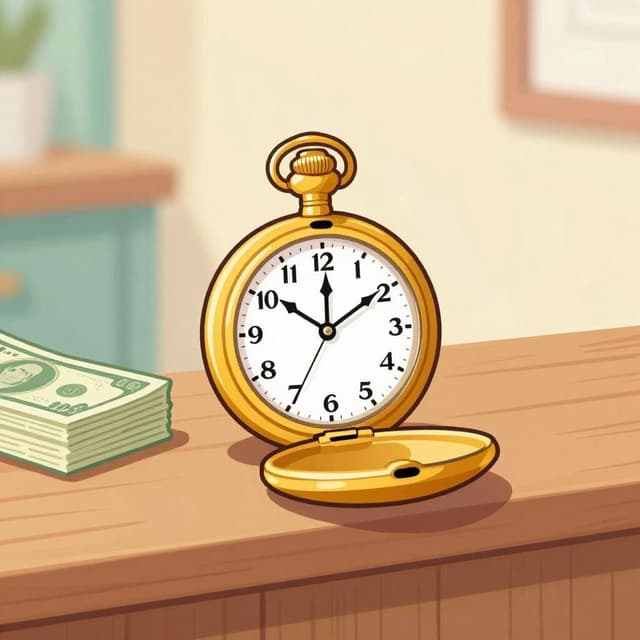
empeñar — to pawn
Use 'empeñaba', 'empeñabas', 'empeñaba', 'empeñábamos', 'empeñabais', 'empeñaban' for ongoing or habitual past actions.
empeñar Imperfect Forms
When to Use the Imperfect
The imperfect tense describes ongoing actions, habitual actions, or sets the scene in the past. For 'empeñar', it could mean someone used to pawn things regularly, or was in the process of pawning something.
Notes on empeñar in the Imperfect
'Empeñar' is regular in the imperfect indicative tense, following the standard -ar verb pattern.
Example Sentences
Cuando era joven, empeñaba mis libros para comprar comida.
When I was young, I used to pawn my books to buy food.
yo
Tú empeñabas tu palabra en cada reunión.
You used to pledge your word at every meeting.
tú
Ella empeñaba su anillo cada vez que necesitaba dinero.
She would pawn her ring every time she needed money.
él/ella/usted
Ellos empeñaban en conseguir la victoria.
They were determined to achieve victory.
ellos/ellas/ustedes
Common Mistakes
Mistake: Using the preterite ('empeñó') instead of the imperfect ('empeñaba') for a habitual past action.
Correct: For actions that happened repeatedly or continuously in the past, use the imperfect: 'Empeñaba mi reloj cada semana'.
Why: The imperfect describes duration or repetition, while the preterite describes a single, completed event.
Mistake: Forgetting the double 'b' in the imperfect forms.
Correct: All imperfect forms for -ar verbs have 'aba' or 'ábamos': 'empeñaba', 'empeñábamos'.
Why: This is the defining characteristic of the imperfect tense for -ar verbs.
Master Spanish verbs in context
Memorizing tables only gets you so far. Read 200+ illustrated and narrated Spanish stories to see verbs like 'empeñar' used naturally — in the tenses you're learning.
Related Tenses
Present
yo: empeño
Use 'empeño', 'empeñas', 'empeña', 'empeñamos', 'empeñáis', 'empeñan' for actions happening now, habits, or general truths.
Preterite
yo: empeñé
Use 'empeñé', 'empeñaste', 'empeñó', 'empeñamos', 'empeñasteis', 'empeñaron' for completed past actions.
Future
yo: empeñaré
Use 'empeñaré', 'empeñarás', 'empeñará', 'empeñaremos', 'empeñaréis', 'empeñarán' for future actions or probability.
Conditional
yo: empeñaría
Use 'empeñaría', 'empeñarías', 'empeñaría', 'empeñaríamos', 'empeñaríais', 'empeñarían' for hypotheticals, polite requests, or future-in-the-past.
Present Subjunctive
yo: empeñe
Use 'empeñe' (yo/él/ella/usted), 'empeñes' (tú), 'empeñemos' (nosotros), 'empeñéis' (vosotros), 'empeñen' (ellos/ellas/ustedes) after expressions of doubt, desire, emotion, or uncertainty.
Imperfect Subjunctive
yo: empeñara
Use 'empeñara'/'empeñase' (yo/él/ella/usted), 'empeñaras'/'empeñases' (tú), 'empeñáramos'/'empeñásemos' (nosotros), 'empeñarais'/'empeñaseis' (vosotros), 'empeñaran'/'empeñasen' (ellos/ellas/ustedes) for past hypotheticals or wishes.
Affirmative Imperative
yo: empeña
Use 'empeña' (tú), 'empeñe' (usted), 'empeñemos' (nosotros), 'empeñen' (ustedes), or 'empeñad' (vosotros) for direct commands.
Negative Imperative
yo: no empeñes
Use 'no empeñes' (tú), 'no empeñe' (usted), 'no empeñemos' (nosotros), 'no empeñen' (ustedes), or 'no empeñéis' (vosotros) for negative commands.