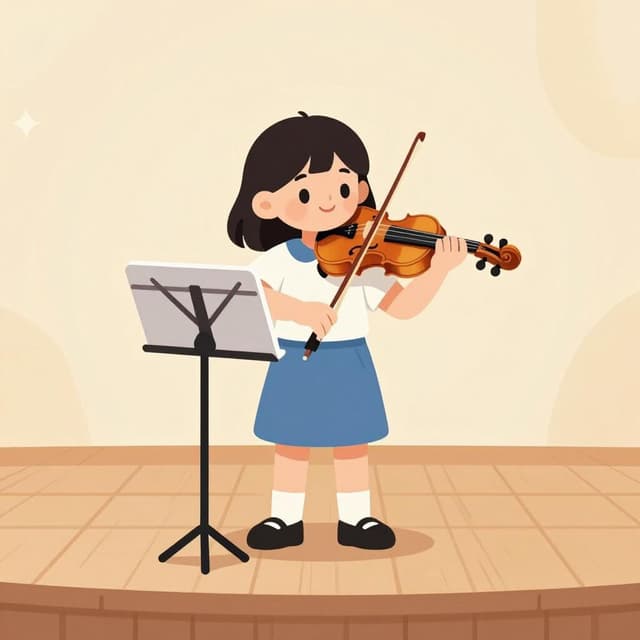
ensayar Negative Imperative Conjugation
ensayar — to rehearse
Negative commands for ensayar use the present subjunctive: no ensayes, no ensaye, no ensayemos, no ensayéis, no ensayen.
ensayar Negative Imperative Forms
When to Use the Negative Imperative
Use the negative imperative to tell someone *not* to do something. For 'ensayar,' this means telling someone not to rehearse.
Notes on ensayar in the Negative Imperative
All negative commands in Spanish use the present subjunctive form preceded by 'no'. So, ensayar follows the standard present subjunctive conjugation: no ensayes (tú), no ensaye (usted), no ensayemos (nosotros), no ensayéis (vosotros), no ensayen (ustedes).
Example Sentences
No ensayes delante de tus padres si te pone nervioso.
Don't rehearse in front of your parents if it makes you nervous.
tú
Por favor, no ensayen tan tarde, los vecinos se quejan.
Please, don't rehearse so late, the neighbors complain.
ustedes
No ensayemos ahora, mejor vamos a comer.
Let's not rehearse now, let's go eat instead.
nosotros
No ensayéis sin el director presente.
Do not rehearse without the director present.
vosotros
Common Mistakes
Mistake: Using the affirmative imperative instead of the subjunctive for negative commands.
Correct: Always use the present subjunctive with 'no' for negative commands: 'no ensayes', not 'no ensaya'.
Why: Spanish grammar dictates that negative commands are formed using the present subjunctive.
Mistake: Confusing the tú and usted negative forms.
Correct: The tú form is 'no ensayes' and the usted form is 'no ensaye'.
Why: These are distinct conjugations from the present subjunctive, and mixing them up changes who the command is directed to.
Master Spanish verbs in context
Memorizing tables only gets you so far. Read 200+ illustrated and narrated Spanish stories to see verbs like 'ensayar' used naturally — in the tenses you're learning.
Related Tenses
Present
yo: ensayo
The present indicative of ensayar is regular: ensayo, ensayas, ensaya, ensayamos, ensayáis, ensayan.
Preterite
yo: ensayé
The preterite of ensayar is regular: ensayé, ensayaste, ensayó, ensayamos, ensayasteis, ensayaron.
Imperfect
yo: ensayaba
The imperfect of ensayar is regular: ensayaba, ensayabas, ensayaba, ensayábamos, ensayabais, ensayaban.
Future
yo: ensayaré
The future of ensayar is regular: ensayaré, ensayarás, ensayará, ensayaremos, ensayaréis, ensayarán.
Conditional
yo: ensayaría
The conditional of ensayar is regular: ensayaría, ensayarías, ensayaría, ensayaríamos, ensayaríais, ensayarían.
Present Subjunctive
yo: ensaye
The present subjunctive of ensayar (ensaye, ensayes) is used after expressions of doubt, desire, emotion, or uncertainty.
Imperfect Subjunctive
yo: ensayara
The imperfect subjunctive of ensayar (ensayara/ensayase) is used for past hypotheticals, wishes, or doubts.
Affirmative Imperative
yo: ensaya
The imperative of ensayar uses regular -ar endings, except for tú which is ensaya.