escupir Imperfect Subjunctive Conjugation
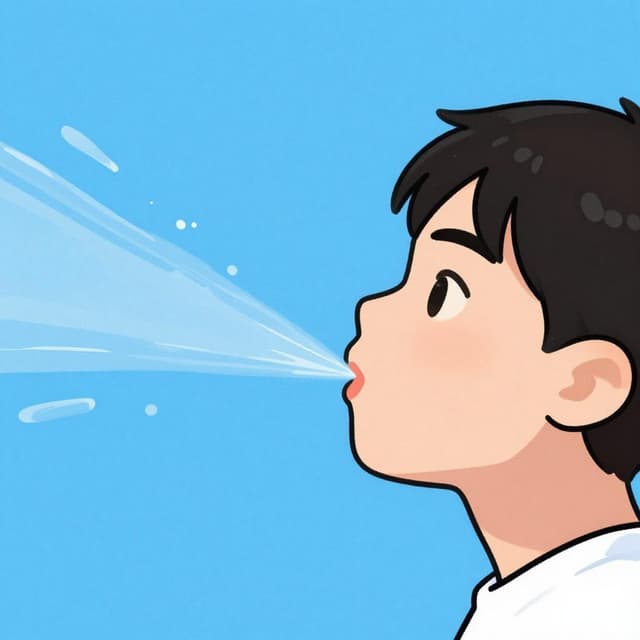
escupir — to spit
The imperfect subjunctive of escupir (escupiera/escupiese) is used for past hypotheticals, wishes, or softer commands.
escupir Imperfect Subjunctive Forms
When to Use the Imperfect Subjunctive
This tense is great for talking about hypothetical situations in the past, expressing wishes that didn't come true, or giving polite, indirect commands. Imagine saying, 'If only he hadn't spat on the floor!' or 'I wish you would spit out your worries.'
Notes on escupir in the Imperfect Subjunctive
Escupir is regular in the imperfect subjunctive. Both the -ra (escupiera) and -se (escupiese) forms are correct, though -ra is more common in everyday speech.
Example Sentences
Si yo escupiera menos, no me dolería la garganta.
If I spat less, my throat wouldn't hurt.
yo
Ojalá no hubieras escupido ahí.
I wish you hadn't spat there.
tú
Me pidió que no escupiera en el coche.
He asked me not to spit in the car.
él/ella/usted
Ellos pensaban que escupiríamos veneno.
They thought we would spit poison.
nosotros
¿Qué harías si te escupieran encima?
What would you do if they spat on you?
ellos/ellas/ustedes
Common Mistakes
Mistake: Using the preterite instead of the imperfect subjunctive for hypotheticals.
Correct: For hypothetical past situations, use forms like 'escupiera' or 'escupiese'.
Why: The preterite describes completed actions, while the imperfect subjunctive handles unreal or hypothetical conditions.
Mistake: Confusing the -ra and -se endings, or using the wrong one.
Correct: Both 'escupiera' and 'escupiese' are correct imperfect subjunctive forms. Use the -ra form if unsure.
Why: While both are valid, the -ra form is generally more frequent and less formal.
Master Spanish verbs in context
Memorizing tables only gets you so far. Read 200+ illustrated and narrated Spanish stories to see verbs like 'escupir' used naturally — in the tenses you're learning.
Related Tenses
Present
yo: escupo
The present tense of escupir (escupo, escupes, escupe, etc.) describes habitual actions, things happening now, or general truths about spitting.
Preterite
yo: escupí
The preterite of escupir (escupí, escupiste, escupió, etc.) describes completed actions of spitting in the past.
Imperfect
yo: escupía
The imperfect of escupir (escupía, escupías, etc.) describes ongoing or habitual actions of spitting in the past.
Future
yo: escupiré
The future tense of escupir (escupiré, escupirás, etc.) indicates actions that will happen.
Conditional
yo: escupiría
The conditional of escupir (escupiría, escupirías, etc.) is used for hypotheticals ('would'), polite requests, and future-in-the-past.
Present Subjunctive
yo: escupa
The present subjunctive of escupir (esculpa, escupas, etc.) is used after expressions of doubt, desire, emotion, or uncertainty.
Affirmative Imperative
yo: escupe
Use 'escupir' in the imperative for direct commands: escupe (tú), escupa (usted), escupamos (nosotros), escupan (ustedes), escupid (vosotros).
Negative Imperative
yo: no escupas
Negative commands for 'escupir' use the present subjunctive: no escupas (tú), no escupa (usted), no escupamos (nosotros), no escupan (ustedes), no escupáis (vosotros).