guardar Imperfect Subjunctive Conjugation
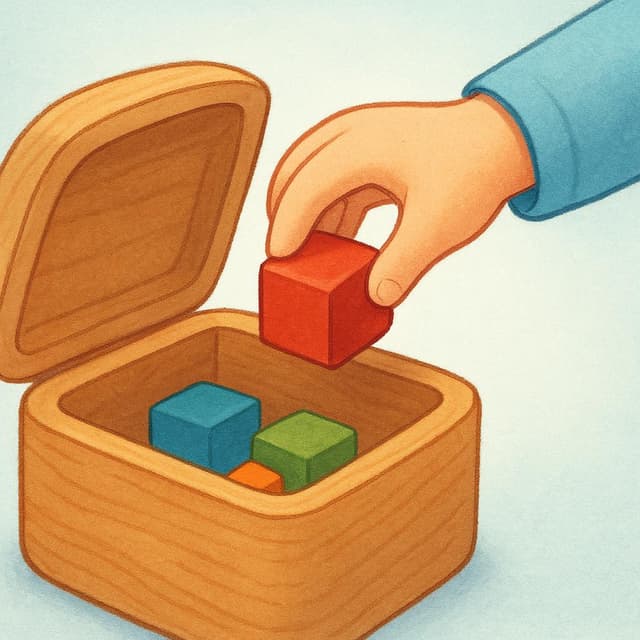
guardar — to put away
The imperfect subjunctive of guardar is formed from the preterite 'ellos' form: guardara, guardaras, guardara, guardáramos, guardarais, guardaran.
guardar Imperfect Subjunctive Forms
When to Use the Imperfect Subjunctive
Use this for hypothetical 'if' situations (e.g., If I kept your money...) or when a past request was made for someone to put something away.
Notes on guardar in the Imperfect Subjunctive
Guardar is regular here. Note the mandatory accent on the 'nosotros' form: guardáramos.
Example Sentences
Si yo guardara más dinero, viajaría más.
If I saved more money, I would travel more.
yo
Me pidió que guardara sus maletas.
He asked me to keep his suitcases.
él/ella/usted
Si ellos guardaran silencio, podríamos escuchar.
If they kept quiet, we could listen.
ellos/ellas/ustedes
Common Mistakes
Mistake: Using the present subjunctive after a past tense verb.
Correct: guardara
Why: If the main verb is in the past, the following subjunctive verb must also be in a past form (imperfect subjunctive).
Master Spanish verbs in context
Memorizing tables only gets you so far. Read 200+ illustrated and narrated Spanish stories to see verbs like 'guardar' used naturally — in the tenses you're learning.
Related Tenses
Present
yo: guardo
Guardar is completely regular in the present: guardo, guardas, guarda, guardamos, guardáis, guardan.
Preterite
yo: guardé
The preterite of guardar is regular: guardé, guardaste, guardó, guardamos, guardasteis, guardaron.
Imperfect
yo: guardaba
In the imperfect, guardar uses standard -aba endings: guardaba, guardabas, guardaba, guardábamos, guardabais, guardaban.
Future
yo: guardaré
The future of guardar uses the infinitive as the stem: guardaré, guardarás, guardará, guardaremos, guardaréis, guardarán.
Conditional
yo: guardaría
The conditional of guardar adds -ía endings to the infinitive: guardaría, guardarías, guardaría, guardaríamos, guardaríais, guardarían.
Present Subjunctive
yo: guarde
The present subjunctive of guardar uses 'e' endings: guarde, guardes, guarde, guardemos, guardéis, guarden.
Affirmative Imperative
yo: guarda
The imperative of guardar provides direct commands: guarda, guarde, guardemos, guardad, guarden.
Negative Imperative
yo: no guardes
The negative imperative of guardar uses present subjunctive forms: no guardes, no guarde, no guardemos, no guardéis, no guarden.