halar Imperfect Conjugation
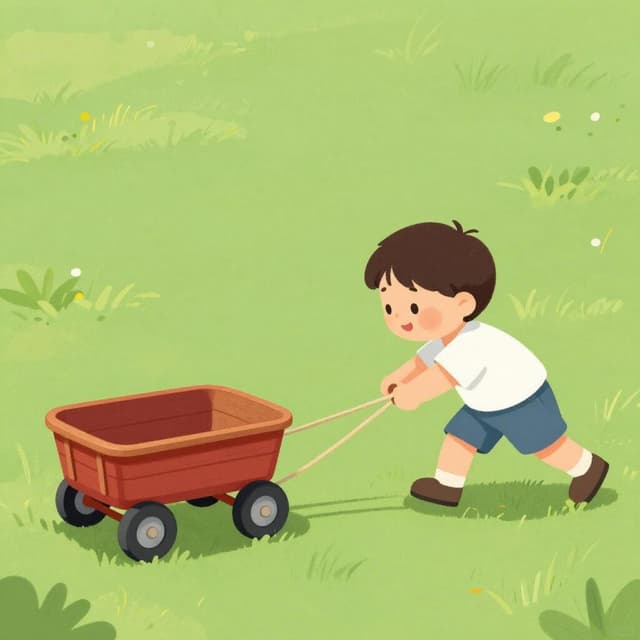
halar — to pull
Use imperfect like 'halaba' for ongoing or habitual past actions of pulling.
halar Imperfect Forms
When to Use the Imperfect
The imperfect tense describes actions that were happening continuously in the past, or things you used to do regularly. 'Cuando era niño, halaba de esa cuerda todos los días' (When I was a child, I used to pull that rope every day).
Notes on halar in the Imperfect
Halar is regular in the imperfect tense.
Example Sentences
Yo halaba la cuerda mientras mi amigo subía.
I was pulling the rope while my friend climbed.
yo
¿Tú halabas el carrito del bebé a menudo?
Did you often pull the baby's stroller?
tú
Él halaba el trineo por la nieve.
He was pulling the sled through the snow.
él/ella/usted
Ellos nos halaban para que avanzáramos.
They were pulling us so we would advance.
ellos/ellas/ustedes
Common Mistakes
Mistake: Using the preterite 'haló' instead of the imperfect 'halaba' for a background description.
Correct: For ongoing past actions or descriptions, use the imperfect: 'Él halaba el trineo' (He was pulling the sled).
Why: The preterite is for completed actions, while the imperfect sets the scene or describes continuous past actions.
Mistake: Forgetting the accent on 'halaba' (yo/él/ella/usted) and 'halaba' (tú).
Correct: The correct forms are 'halaba' for yo/él/ella/usted and 'halabas' for tú. Note the accent is on the 'a'.
Why: The accent distinguishes the imperfect from other tenses and marks the stressed syllable.
Master Spanish verbs in context
Memorizing tables only gets you so far. Read 200+ illustrated and narrated Spanish stories to see verbs like 'halar' used naturally — in the tenses you're learning.
Related Tenses
Present
yo: halo
Use present tense like 'halo' for actions happening now or habitual pulling.
Preterite
yo: halé
Use preterite like 'halé' for completed past actions of pulling.
Future
yo: halaré
Use future tense like 'halaré' for actions that will happen.
Conditional
yo: halaría
Use conditional like 'halaría' for hypothetical situations ('would pull').
Present Subjunctive
yo: hale
Use present subjunctive like 'hale' after expressions of doubt, desire, or emotion.
Imperfect Subjunctive
yo: halara
Use imperfect subjunctive like 'halara' for past hypotheticals or wishes.
Affirmative Imperative
yo: hala
Use imperative forms like 'hala' (pull!) for direct commands.
Negative Imperative
yo: hales
Use negative commands like 'no hales' (don't pull) using the present subjunctive.