honrar Affirmative Imperative Conjugation
honrar — to honor
Use 'honra' (tú), 'honre' (usted), 'honremos' (nosotros), 'honrad' (vosotros), 'honren' (ustedes) for direct commands.
honrar Affirmative Imperative Forms
When to Use the Affirmative Imperative
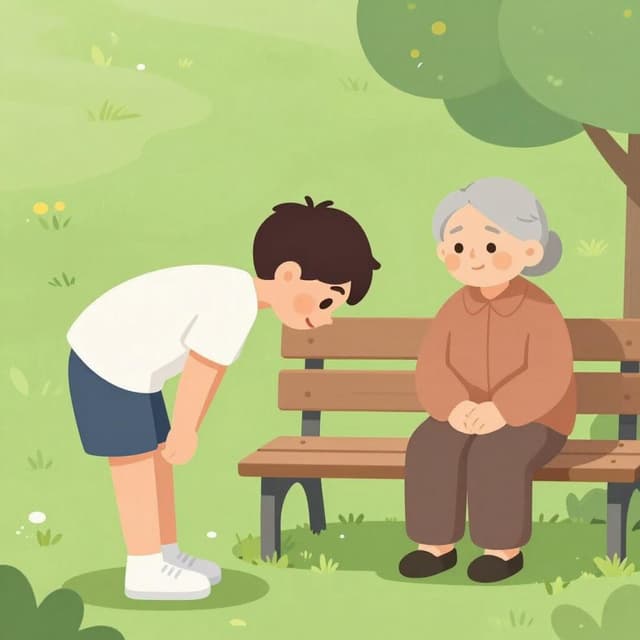
The imperative is used for direct commands or requests. For 'honrar', you'd use it to tell someone to honor a commitment, a memory, or a person.
Notes on honrar in the Affirmative Imperative
Honrar is regular in the imperative. For the 'tú' form, drop the '-r' from the infinitive and add '-a' (honra). For 'vosotros', add '-d' (honrad).
Example Sentences
¡Honra tu palabra!
Honor your word!
tú
Honremos a nuestros héroes.
Let's honor our heroes.
nosotros
Señora, honre la tradición.
Madam, honor the tradition.
usted
¡Chicos, honrad a vuestros padres!
Guys, honor your parents!
vosotros
Common Mistakes
Mistake: Using the present subjunctive for 'tú' commands, like 'No honres tu palabra' instead of 'No honres tu palabra'.
Correct: For affirmative commands, use the imperative form ('Honra'). For negative commands, use the present subjunctive ('No honres').
Why: Spanish has distinct forms for affirmative and negative commands, with the negative using the subjunctive mood.
Mistake: Forgetting the 'd' in the 'vosotros' form, saying 'honra' instead of 'honrad'.
Correct: The 'vosotros' imperative form adds a 'd' to the end of the infinitive stem.
Why: This is a specific rule for the 'vosotros' imperative conjugation.
Master Spanish verbs in context
Memorizing tables only gets you so far. Read 200+ illustrated and narrated Spanish stories to see verbs like 'honrar' used naturally — in the tenses you're learning.
Related Tenses
Present
yo: honro
The present tense (honro, honras, honra, etc.) describes current actions, habits, and general truths about honoring.
Preterite
yo: honré
The preterite of 'honrar' is regular: honré, honraste, honró, honramos, honrasteis, honraron.
Imperfect
yo: honraba
The imperfect of 'honrar' (honraba, honrabas, etc.) describes ongoing or habitual past actions of honoring.
Future
yo: honraré
The future tense (honraré, honrarás, etc.) expresses what will happen or probability.
Conditional
yo: honraría
The conditional (honraría, honrarías, etc.) expresses 'would' actions, politeness, or future-in-the-past.
Present Subjunctive
yo: honre
The present subjunctive (honre, honres, etc.) follows expressions of desire, doubt, emotion, or uncertainty.
Imperfect Subjunctive
yo: honrara
The imperfect subjunctive (honrara/honrase) is used for past hypotheticals, wishes, or polite requests in the past.
Negative Imperative
yo: no honres
Negative commands use 'no' + present subjunctive: 'no honres' (tú), 'no honre' (usted), 'no honremos' (nosotros), 'no honréis' (vosotros), 'no honren' (ustedes).