honrar Imperfect Conjugation
honrar — to honor
The imperfect of 'honrar' (honraba, honrabas, etc.) describes ongoing or habitual past actions of honoring.
honrar Imperfect Forms
When to Use the Imperfect
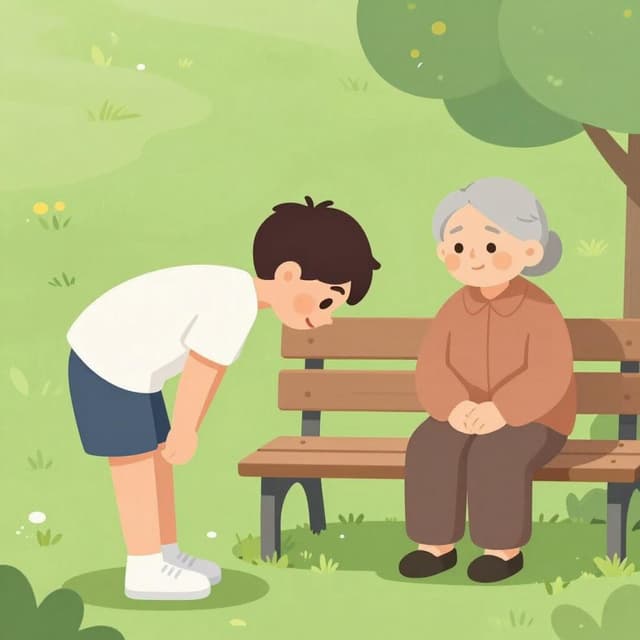
Use the imperfect to describe past situations where honoring was a continuous action, a habit, or background information. For example, 'He used to honor his father' or 'They were honoring the guests' as the party started.
Notes on honrar in the Imperfect
Honrar is regular in the imperfect indicative tense. The endings are standard for -ar verbs in this tense.
Example Sentences
Cuando era joven, honraba mucho a mis abuelos.
When I was young, I used to honor my grandparents a lot.
yo
¿Tú honrabas la bandera en la escuela?
Did you (use to) honor the flag at school?
tú
Ella honraba las tradiciones de su familia.
She honored (used to honor) her family's traditions.
él/ella/usted
Nosotros honrábamos la vida con fiestas.
We honored (used to honor) life with parties.
nosotros
Ellos honraban al presidente cuando hablaba.
They were honoring the president when he spoke.
ellos/ellas/ustedes
Common Mistakes
Mistake: Using the imperfect 'honraba' for a single, completed act of honoring.
Correct: For a specific, completed action, use the preterite: 'Ayer honró la promesa' (Yesterday he honored the promise). Use imperfect for ongoing/habitual: 'Él siempre honraba la promesa' (He always honored the promise).
Why: The imperfect describes background or ongoing actions, while the preterite describes completed events.
Mistake: Confusing the vosotros form, writing 'honrabais' without the accent.
Correct: The vosotros form requires a written accent: honrabais.
Why: The accent marks the stress on the penultimate syllable in this conjugation.
Master Spanish verbs in context
Memorizing tables only gets you so far. Read 200+ illustrated and narrated Spanish stories to see verbs like 'honrar' used naturally — in the tenses you're learning.
Related Tenses
Present
yo: honro
The present tense (honro, honras, honra, etc.) describes current actions, habits, and general truths about honoring.
Preterite
yo: honré
The preterite of 'honrar' is regular: honré, honraste, honró, honramos, honrasteis, honraron.
Future
yo: honraré
The future tense (honraré, honrarás, etc.) expresses what will happen or probability.
Conditional
yo: honraría
The conditional (honraría, honrarías, etc.) expresses 'would' actions, politeness, or future-in-the-past.
Present Subjunctive
yo: honre
The present subjunctive (honre, honres, etc.) follows expressions of desire, doubt, emotion, or uncertainty.
Imperfect Subjunctive
yo: honrara
The imperfect subjunctive (honrara/honrase) is used for past hypotheticals, wishes, or polite requests in the past.
Affirmative Imperative
yo: honra
Use 'honra' (tú), 'honre' (usted), 'honremos' (nosotros), 'honrad' (vosotros), 'honren' (ustedes) for direct commands.
Negative Imperative
yo: no honres
Negative commands use 'no' + present subjunctive: 'no honres' (tú), 'no honre' (usted), 'no honremos' (nosotros), 'no honréis' (vosotros), 'no honren' (ustedes).