incendiar Affirmative Imperative Conjugation
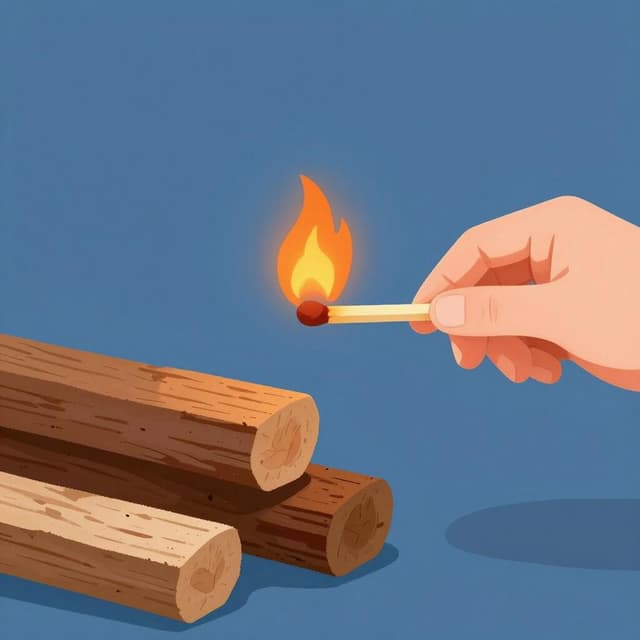
incendiar — to set on fire
Commands like 'incendia tú' or 'incendien ustedes' are formed directly from the present subjunctive (except for tú).
incendiar Affirmative Imperative Forms
When to Use the Affirmative Imperative
Use the imperative to give direct commands. For 'incendiar', this means telling someone to set something on fire, like '¡Incendia la pira!' (Set the bonfire alight!).
Notes on incendiar in the Affirmative Imperative
The 'tú' form 'incendia' comes from the present indicative, while all other affirmative commands ('incendiemos', 'incendiad', 'incendie', 'incendien') come from the present subjunctive.
Example Sentences
¡Incendia el fuego ahora!
Light the fire now!
tú
Incendien la pradera con cuidado.
Set fire to the meadow carefully.
ustedes
¡Incendiemos la noche con fuegos artificiales!
Let's set the night alight with fireworks!
nosotros
Incendie usted la vela.
Sir, light the candle.
usted
Common Mistakes
Mistake: Using the subjunctive form for 'tú' affirmative.
Correct: The 'tú' command is 'incendia', not 'incendies'.
Why: The 'tú' affirmative imperative for -ar verbs is regular, like the present indicative, not from the subjunctive.
Mistake: Forgetting the 'vosotros' ending.
Correct: The 'vosotros' command is 'incendiad', not 'incendiéis'.
Why: The 'vosotros' imperative for -ar verbs ends in -ad, not the subjunctive -éis.
Master Spanish verbs in context
Memorizing tables only gets you so far. Read 200+ illustrated and narrated Spanish stories to see verbs like 'incendiar' used naturally — in the tenses you're learning.
Related Tenses
Present
yo: incendio
The present tense ('incendio', 'incendias') describes actions happening now or habitual actions.
Preterite
yo: incendié
The preterite of 'incendiar' is regular: incendié, incendiaste, incendió, incendiamos, incendiasteis, incendiaron.
Imperfect
yo: incendiaba
The imperfect ('incendiaba', 'incendiabas') describes ongoing or habitual past actions, like 'incendiaba la chimenea cada noche'.
Future
yo: incendiaré
The future tense ('incendiaré', 'incendiarás') indicates actions that will happen.
Conditional
yo: incendiaría
The conditional ('incendiaría', 'incendiarías') expresses hypotheticals ('would set fire') or polite requests.
Present Subjunctive
yo: incendie
The present subjunctive ('incendie', 'incendies', etc.) expresses wishes, doubts, or emotions about the present or future.
Imperfect Subjunctive
yo: incendiara
The imperfect subjunctive ('incendiara' or 'incendiase') talks about past hypotheticals or wishes.
Negative Imperative
yo: no incendies
Negative commands like 'no incendies' always use the present subjunctive forms.