mamar Preterite Conjugation
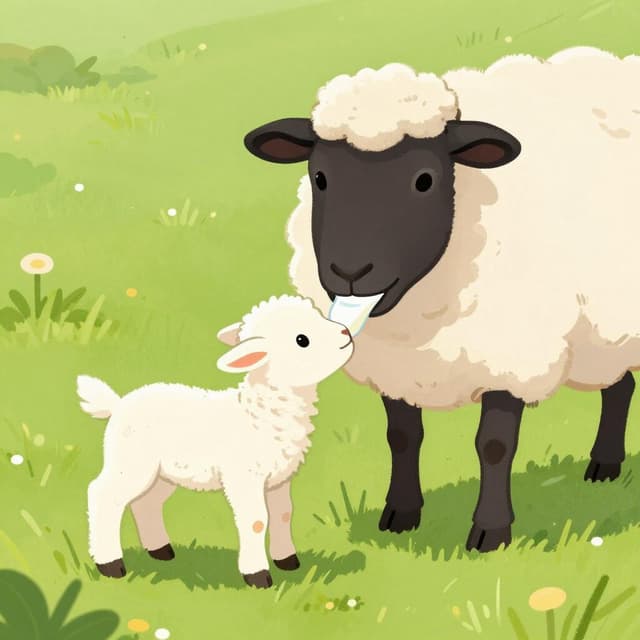
mamar — to suckle
The preterite of 'mamar' (mamé, mamaste, mamó, mamamos, mamasteis, mamaron) describes completed actions of suckling.
mamar Preterite Forms
When to Use the Preterite
Use the preterite of 'mamar' for a specific, completed instance of suckling. For example, 'El bebé mamó por veinte minutos' (The baby suckled for twenty minutes) indicates a finished action.
Notes on mamar in the Preterite
'Mamar' is a regular -ar verb, so all its preterite conjugations are regular.
Example Sentences
El bebé mamó leche materna toda la noche.
The baby suckled breast milk all night.
él/ella/usted
Ayer mamaste muy bien.
Yesterday you suckled very well.
tú
Mamamos juntos en la cena.
We suckled together at dinner.
nosotros
Ellos mamaron hasta que se durmieron.
They suckled until they fell asleep.
ellos/ellas/ustedes
Common Mistakes
Mistake: Using the imperfect instead of the preterite for a single, finished event.
Correct: For a specific completed action like 'he suckled once', use the preterite 'mamó'. The imperfect 'mamaba' would imply it was ongoing or habitual.
Why: The preterite marks completed past actions, while the imperfect describes ongoing or habitual past actions.
Master Spanish verbs in context
Memorizing tables only gets you so far. Read 200+ illustrated and narrated Spanish stories to see verbs like 'mamar' used naturally — in the tenses you're learning.
Related Tenses
Present
yo: mamo
The present tense of 'mamar' (mamo, mamas, mama, mamamos, mamáis, maman) describes habitual or ongoing suckling.
Imperfect
yo: mamaba
The imperfect of 'mamar' (mamaba, mamabas, mamaba, mamábamos, mamabais, mamaban) describes ongoing or habitual suckling in the past.
Future
yo: mamaré
The future tense of 'mamar' (mamaré, mamarás, mamará, etc.) indicates actions that will happen.
Conditional
yo: mamaría
The conditional of 'mamar' (mamaría, mamarías, mamaría, etc.) expresses hypothetical actions ('would suckle') or polite requests.
Present Subjunctive
yo: mame
The present subjunctive of 'mamar' (e.g., 'mame', 'mames', 'mamen') expresses wishes, doubts, or emotions.
Imperfect Subjunctive
yo: mamara
The imperfect subjunctive of 'mamar' (e.g., 'mamara', 'mamaras') is used for hypothetical past situations or wishes.
Affirmative Imperative
yo: mama
Use imperative forms like 'mama' (tú) and 'mamen' (ustedes) for direct commands with 'mamar'.
Negative Imperative
yo: no mames
Negative commands for 'mamar' use 'no' plus present subjunctive forms, like 'no mames' (tú) or 'no mamen' (ustedes).