manchar Future Conjugation
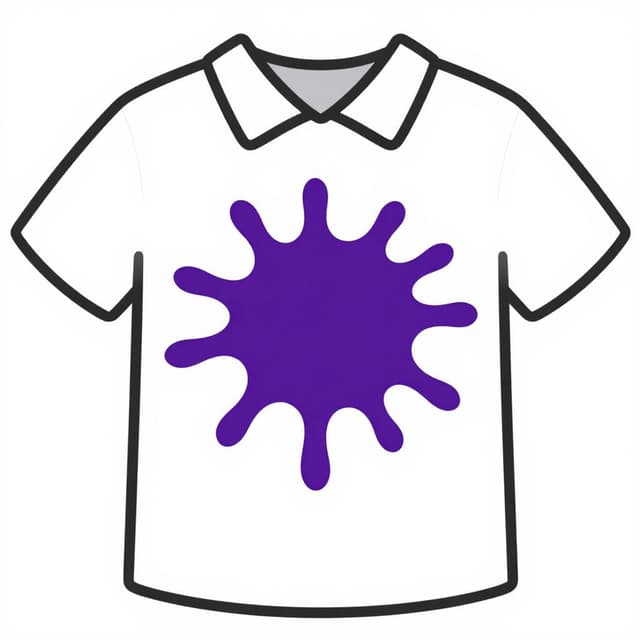
manchar — to stain
The future tense 'mancharé' predicts or expresses probability about staining.
manchar Future Forms
When to Use the Future
Use the future tense to talk about actions that will definitely happen or are likely to happen. For 'manchar,' you might say, 'The wine will stain the carpet' or 'You will probably stain your shirt if you're not careful.'
Notes on manchar in the Future
Manchar is regular in the future tense. The stem is the infinitive 'manchar'.
Example Sentences
Si no tienes cuidado, mancharás la mesa.
If you're not careful, you will stain the table.
tú
El vino manchará la alfombra.
The wine will stain the carpet.
él/ella/usted
Nosotros no mancharemos nada.
We will not stain anything.
nosotros
Ellos mancharán el vestido sin querer.
They will accidentally stain the dress.
ellos/ellas/ustedes
Common Mistakes
Mistake: Using the present tense to express future actions.
Correct: For future certainty or probability, use the future tense: 'Mancharé mañana' (I will stain tomorrow), not 'Mancho mañana'.
Why: While Spanish sometimes uses the present for near future, the dedicated future tense is clearer for predictions.
Mistake: Confusing the future stem with the present stem.
Correct: The future stem for regular -ar verbs like manchar is the infinitive itself: 'manchar-' + endings. Don't use the present stem 'manch-'.
Why: This is a common error with verbs that have stem changes in other tenses.
Master Spanish verbs in context
Memorizing tables only gets you so far. Read 200+ illustrated and narrated Spanish stories to see verbs like 'manchar' used naturally — in the tenses you're learning.
Related Tenses
Present
yo: mancho
The present tense 'mancho' describes current actions, habits, or general truths about staining.
Preterite
yo: manché
The preterite of manchar is regular: manché, manchaste, manchó, manchamos, manchasteis, mancharon.
Imperfect
yo: manchaba
The imperfect 'manchaba' describes ongoing or habitual past actions of staining.
Conditional
yo: mancharía
The conditional 'mancharía' expresses hypotheticals ('would stain') or polite requests.
Present Subjunctive
yo: manche
The present subjunctive 'manche' is used after expressions of doubt, desire, or emotion.
Imperfect Subjunctive
yo: manchara
The imperfect subjunctive 'manchara' or 'manchase' is used for past hypotheticals or wishes.
Affirmative Imperative
yo: mancha
Use imperative forms like 'mancha' (tú) and 'manche' (usted) for direct commands with manchar.
Negative Imperative
yo: no manches
Negative commands like 'no manches' (tú) and 'no manche' (usted) use the present subjunctive.