manchar Present Conjugation
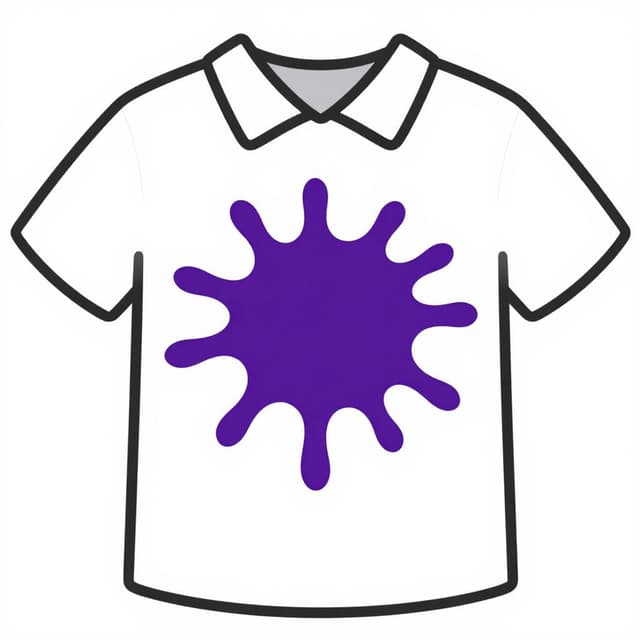
manchar — to stain
The present tense 'mancho' describes current actions, habits, or general truths about staining.
manchar Present Forms
When to Use the Present
Use the present tense for actions happening right now ('I am staining this') or for habitual actions ('He always stains the tablecloth'). It also covers general truths, like 'Red wine stains easily.'
Notes on manchar in the Present
Manchar is a regular -ar verb in the present indicative tense.
Example Sentences
Yo mancho la ropa cuando como.
I stain my clothes when I eat.
yo
¿Tú manchas mucho las cosas?
Do you stain things a lot?
tú
Este tipo de tinta mancha mucho.
This type of ink stains a lot.
él/ella/usted
Nosotros manchamos la cocina sin querer.
We stained the kitchen without meaning to.
nosotros
Common Mistakes
Mistake: Using the present tense for a specific, completed past action.
Correct: If something happened and finished, use the preterite: 'Manché la camisa' (I stained the shirt), not 'Mancho la camisa'.
Why: The present tense is for ongoing or habitual actions, not for completed past events.
Mistake: Confusing 'manchamos' (present) with 'manchamos' (preterite).
Correct: The nosotros form 'manchamos' is the same in both the present indicative and the preterite. Context is key.
Why: This is a common feature of regular -ar verbs in Spanish; context or time adverbs clarify the tense.
Master Spanish verbs in context
Memorizing tables only gets you so far. Read 200+ illustrated and narrated Spanish stories to see verbs like 'manchar' used naturally — in the tenses you're learning.
Related Tenses
Preterite
yo: manché
The preterite of manchar is regular: manché, manchaste, manchó, manchamos, manchasteis, mancharon.
Imperfect
yo: manchaba
The imperfect 'manchaba' describes ongoing or habitual past actions of staining.
Future
yo: mancharé
The future tense 'mancharé' predicts or expresses probability about staining.
Conditional
yo: mancharía
The conditional 'mancharía' expresses hypotheticals ('would stain') or polite requests.
Present Subjunctive
yo: manche
The present subjunctive 'manche' is used after expressions of doubt, desire, or emotion.
Imperfect Subjunctive
yo: manchara
The imperfect subjunctive 'manchara' or 'manchase' is used for past hypotheticals or wishes.
Affirmative Imperative
yo: mancha
Use imperative forms like 'mancha' (tú) and 'manche' (usted) for direct commands with manchar.
Negative Imperative
yo: no manches
Negative commands like 'no manches' (tú) and 'no manche' (usted) use the present subjunctive.