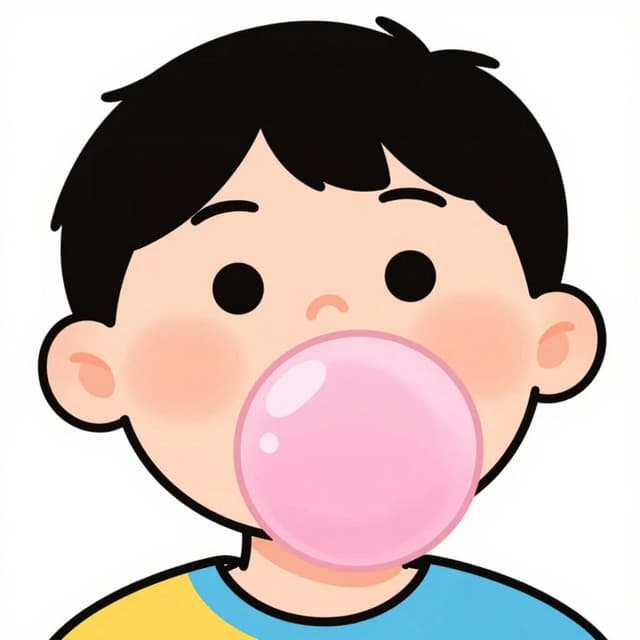
mascar Future Conjugation
mascar — to chew
The future of mascar is regular: mascaré, mascarás, mascará, mascaremos, mascaréis, mascarán.
mascar Future Forms
When to Use the Future
Use this to describe what someone will chew in the future or to express a probability about the present.
Notes on mascar in the Future
Mascar is fully regular in the future. Just add the endings to the full infinitive.
Example Sentences
Mascaré un chicle de menta más tarde.
I will chew a mint gum later.
yo
El perro mascará su juguete nuevo toda la tarde.
The dog will chew his new toy all afternoon.
él/ella/usted
Si les das dulces, los mascarán rápido.
If you give them candy, they will chew them fast.
ellos/ellas/ustedes
Common Mistakes
Mistake: mascare
Correct: mascaré
Why: Without the accent, 'mascare' looks like the future subjunctive (rarely used) or is just a typo. The accent is vital for the future indicative.
Master Spanish verbs in context
Memorizing tables only gets you so far. Read 200+ illustrated and narrated Spanish stories to see verbs like 'mascar' used naturally — in the tenses you're learning.
Related Tenses
Present
yo: masco
The present tense of mascar is completely regular: masco, mascas, masca, mascamos, mascáis, mascan.
Preterite
yo: masqué
The preterite of mascar is regular except for the 'yo' form spelling change: masqué.
Imperfect
yo: mascaba
The imperfect of mascar is regular: mascaba, mascabas, mascaba, mascábamos, mascabais, mascaban.
Conditional
yo: mascaría
The conditional of mascar is regular: mascaría, mascarías, mascaría, mascaríamos, mascaríais, mascarían.
Present Subjunctive
yo: masque
The present subjunctive of mascar requires a c-to-qu spelling change: masque, masques, masque, masquemos, masquéis, masquen.
Imperfect Subjunctive
yo: mascara
The imperfect subjunctive is formed from the third-person plural preterite: mascara, mascaras, mascara, mascáramos, mascarais, mascaran.
Affirmative Imperative
yo: masca
The affirmative imperative of mascar uses 'masca' for tú and 'masque' for usted.
Negative Imperative
yo: no masques
The negative imperative of mascar always uses the 'qu' spelling change: no masques, no masque, no masquemos, no masquéis, no masquen.