merodear Present Conjugation
merodear — to prowl
Use the present 'merodea' (he/she prowls) for ongoing actions or habits.
merodear Present Forms
When to Use the Present
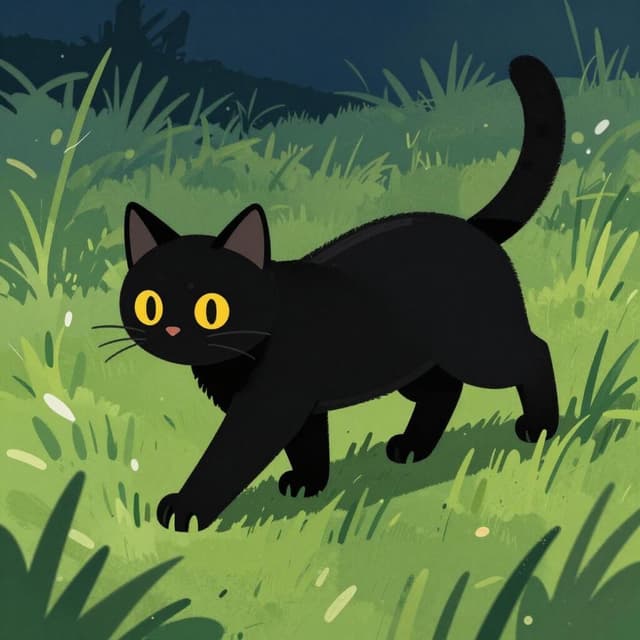
The present tense is for actions happening right now, habitual actions, or general truths. You might use it to describe a cat that often prowls or someone who is currently prowling.
Notes on merodear in the Present
'Merodear' is regular in the present indicative tense.
Example Sentences
El zorro merodea por el gallinero cada noche.
The fox prowls around the henhouse every night.
él/ella/usted
¿Qué merodeas por mi cocina?
What are you prowling around my kitchen for?
tú
Los gatos merodean sigilosamente buscando ratones.
The cats prowl stealthily looking for mice.
ellos/ellas/ustedes
Common Mistakes
Mistake: Using the present for a completed past action.
Correct: If the prowling already happened, use the preterite: 'Merodeó anoche'.
Why: The present tense is for current or habitual actions, not finished ones.
Mistake: Confusing 'merodea' (he/she) with 'merodeamos' (we).
Correct: Ensure you use the correct ending for the subject: 'él merodea', 'nosotros merodeamos'.
Why: Incorrect endings lead to confusion about who is performing the action.
Master Spanish verbs in context
Memorizing tables only gets you so far. Read 200+ illustrated and narrated Spanish stories to see verbs like 'merodear' used naturally — in the tenses you're learning.
Related Tenses
Preterite
yo: merodeé
Use the preterite 'merodeó' (he/she/it prowled) for completed past actions of prowling.
Imperfect
yo: merodeaba
Use imperfect 'merodeaba' (he/she was prowling) for ongoing or habitual past actions.
Future
yo: merodearé
Use the future 'merodeará' (he/she will prowl) for actions that will happen.
Conditional
yo: merodearía
Use conditional 'merodearía' (he/she would prowl) for hypotheticals or polite requests.
Present Subjunctive
yo: merodee
Use present subjunctive like 'merodee' after expressions of doubt, desire, or emotion.
Imperfect Subjunctive
yo: merodeara
Use imperfect subjunctive like 'merodeara' or 'merodeara' for past hypotheticals or wishes.
Affirmative Imperative
yo: merodea
Use imperative forms like 'merodea' (tú) and 'merodeen' (ustedes) for direct commands.
Negative Imperative
yo: no merodees
Negative commands like 'no merodees' (tú) use the present subjunctive with 'no'.