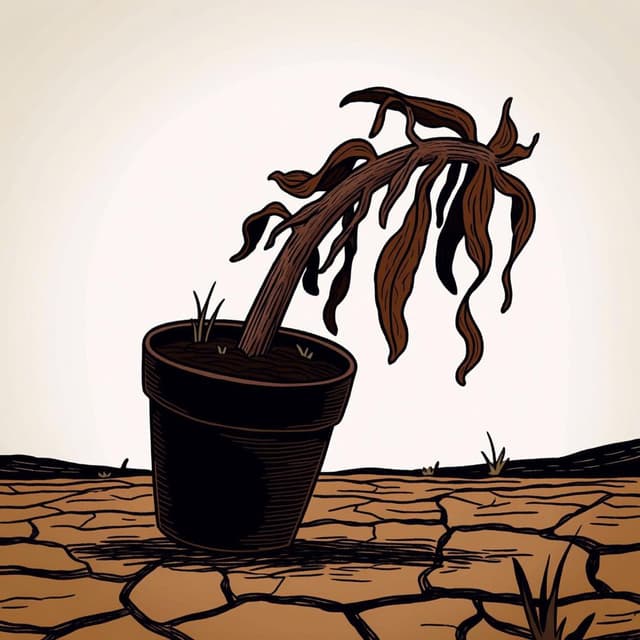
morir Present Conjugation
morir — to die
Morir is a radical stem-changer (o to ue) in the present tense, except for nosotros and vosotros.
morir Present Forms
When to Use the Present
Use the present tense for general truths, biological facts, or the common figurative expression 'morirse de' (to be dying of) hunger, thirst, or laughter.
Notes on morir in the Present
The 'o' changes to 'ue' in all forms except nosotros (morimos) and vosotros (morís). This follows the standard 'boot' pattern.
Example Sentences
Me muero de hambre.
I'm dying of hunger.
yo
Las flores mueren sin agua.
Flowers die without water.
ellos/ellas/ustedes
¿Te mueres de ganas de ir?
Are you dying to go?
tú
Common Mistakes
Mistake: Saying 'nosotros mueremos'.
Correct: nosotros morimos
Why: The stem change (o-ue) never happens in the nosotros or vosotros forms in the present indicative.
Master Spanish verbs in context
Memorizing tables only gets you so far. Read 200+ illustrated and narrated Spanish stories to see verbs like 'morir' used naturally — in the tenses you're learning.
Related Tenses
Preterite
yo: morí
Morir is a stem-changer in the preterite, changing o to u in the third-person forms: murió and murieron.
Imperfect
yo: moría
Morir is regular in the imperfect: moría, morías, moría, moríamos, moríais, morían.
Future
yo: moriré
Morir is completely regular in the future tense: moriré, morirás, morirá, etc.
Conditional
yo: moriría
The conditional of morir is regular: moriría, morirías, moriría, moriríamos, moriríais, morirían.
Present Subjunctive
yo: muera
Morir stem-changes to 'muer-' (boot forms) and 'mur-' (nosotros/vosotros) in the present subjunctive.
Imperfect Subjunctive
yo: muriera
The imperfect subjunctive of morir uses the 'murie-' stem derived from the preterite third-person plural.
Affirmative Imperative
yo: muere
The imperative of morir is rarely used literally, except in poetic or dramatic contexts like 'muere!'.
Negative Imperative
yo: no mueras
The negative imperative of morir uses the present subjunctive forms preceded by 'no'.