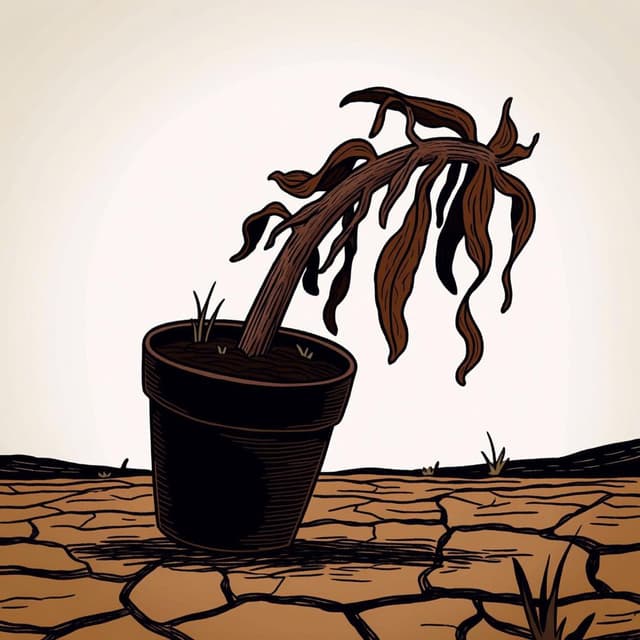
morir Preterite Conjugation
morir — to die
Morir is a stem-changer in the preterite, changing o to u in the third-person forms: murió and murieron.
morir Preterite Forms
When to Use the Preterite
Use the preterite to talk about the specific moment someone passed away or to describe a completed event in the past. It marks a definitive end point.
Notes on morir in the Preterite
This is a 'slipper verb.' While most forms are regular, the third-person singular (él/ella/usted) and plural (ellos/ellas/ustedes) change the 'o' to a 'u'.
Example Sentences
Mi abuelo murió hace diez años.
My grandfather died ten years ago.
él/ella/usted
Muchas plantas murieron por el frío.
Many plants died because of the cold.
ellos/ellas/ustedes
Casi me morí de la vergüenza.
I almost died of embarrassment.
yo
Common Mistakes
Mistake: Using 'morió' instead of 'murió'.
Correct: murió
Why: In the preterite, -ir stem-changers like morir change o to u in the third person.
Master Spanish verbs in context
Memorizing tables only gets you so far. Read 200+ illustrated and narrated Spanish stories to see verbs like 'morir' used naturally — in the tenses you're learning.
Related Tenses
Present
yo: muero
Morir is a radical stem-changer (o to ue) in the present tense, except for nosotros and vosotros.
Imperfect
yo: moría
Morir is regular in the imperfect: moría, morías, moría, moríamos, moríais, morían.
Future
yo: moriré
Morir is completely regular in the future tense: moriré, morirás, morirá, etc.
Conditional
yo: moriría
The conditional of morir is regular: moriría, morirías, moriría, moriríamos, moriríais, morirían.
Present Subjunctive
yo: muera
Morir stem-changes to 'muer-' (boot forms) and 'mur-' (nosotros/vosotros) in the present subjunctive.
Imperfect Subjunctive
yo: muriera
The imperfect subjunctive of morir uses the 'murie-' stem derived from the preterite third-person plural.
Affirmative Imperative
yo: muere
The imperative of morir is rarely used literally, except in poetic or dramatic contexts like 'muere!'.
Negative Imperative
yo: no mueras
The negative imperative of morir uses the present subjunctive forms preceded by 'no'.