noquear Imperfect Subjunctive Conjugation
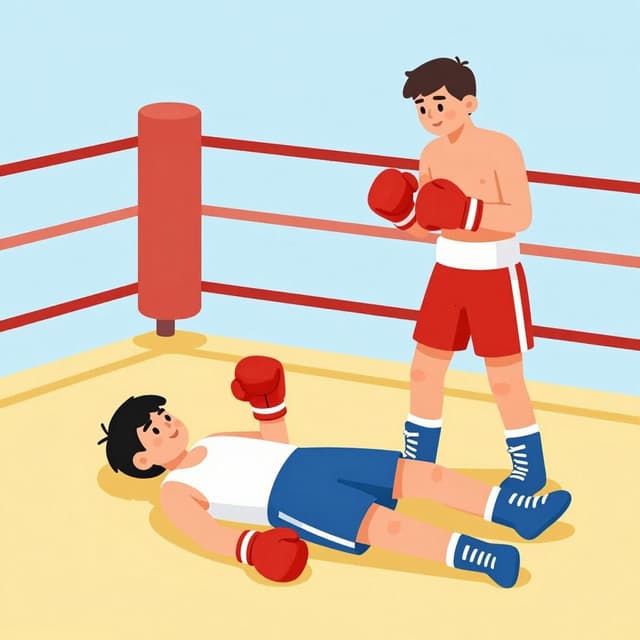
noquear — to knock out
Use the imperfect subjunctive of noquear for past hypotheticals or wishes, like 'si noqueara' or 'ojalá noqueara'.
noquear Imperfect Subjunctive Forms
When to Use the Imperfect Subjunctive
This tense is for talking about hypothetical situations in the past, expressing wishes or doubts related to past events, or in polite requests. For example, 'If I had knocked him out, it would have been different' or 'I wish he would knock out the boss'.
Notes on noquear in the Imperfect Subjunctive
Noquear is regular in the imperfect subjunctive. You take the preterite stem (noque-) and add the subjunctive endings (-ra, -ras, -ra, -ramos, -rais, -ran). Both -ra and -se forms exist, but -ra is more common.
Example Sentences
Si yo noqueara al oponente, ganaría la pelea.
If I knocked out the opponent, I would win the fight.
yo
Ojalá él noqueara al villano en la película.
I wish he would knock out the villain in the movie.
él/ella/usted
Nos pidieron que no noqueáramos a nadie innecesariamente.
They asked us not to knock out anyone unnecessarily.
nosotros
Sería bueno que vosotros noquearais esa defensa.
It would be good if you all (Spain, informal) knocked out that defense.
vosotros
Dudaba que ellos noquearan tan rápido.
I doubted that they would knock out (so fast).
ellos/ellas/ustedes
Common Mistakes
Mistake: Confusing the imperfect subjunctive with the imperfect indicative.
Correct: Use imperfect subjunctive forms like 'noqueara' for hypotheticals and wishes, not 'noqueaba'.
Why: The imperfect subjunctive has specific uses related to uncertainty, desire, and hypothetical conditions that the imperfect indicative doesn't cover.
Mistake: Using the -se form when the -ra form is expected or preferred.
Correct: While both are correct, 'noqueara' is often more common than 'noquease'.
Why: Learners might not be familiar with the existence of two forms for the imperfect subjunctive.
Master Spanish verbs in context
Memorizing tables only gets you so far. Read 200+ illustrated and narrated Spanish stories to see verbs like 'noquear' used naturally — in the tenses you're learning.
Related Tenses
Present
yo: noqueo
The present tense of noquear is regular: noqueo, noqueas, noquea, noqueamos, noqueáis, noquean.
Preterite
yo: noqueé
The preterite of noquear is regular: noqueé, noqueaste, noqueó, noqueamos, noqueasteis, noquearon.
Imperfect
yo: noqueaba
The imperfect of noquear is regular: noqueaba, noqueabas, noqueaba, noqueábamos, noqueabais, noqueaban.
Future
yo: noquearé
The future tense of noquear is regular: noquearé, noquearás, noqueará, noquearemos, noquearéis, noquearán.
Conditional
yo: noquearía
The conditional of noquear is regular: noquearía, noquearías, noquearía, noquearíamos, noquearíais, noquearían.
Present Subjunctive
yo: noquee
Use the present subjunctive of noquear after expressions of doubt, desire, or emotion, like 'Espero que noquees'.
Affirmative Imperative
yo: noquea
Use 'noquea', 'noquee', 'noqueemos', 'noquead', 'noqueen' for direct commands with noquear.
Negative Imperative
yo: no noquees
Use 'no noquees', 'no noquee', 'no noqueemos', 'no noqueéis', 'no noqueen' for negative commands.