pagar Preterite Conjugation
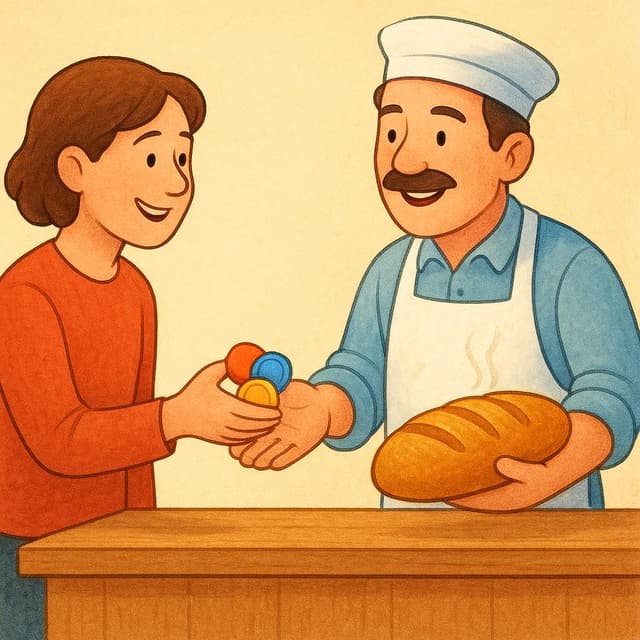
pagar — to pay
The preterite of pagar has a spelling change in the first person (pagué) to keep the hard 'g' sound.
pagar Preterite Forms
When to Use the Preterite
Use the preterite when you finished paying for something at a specific moment in the past, like a dinner bill or a monthly rent payment.
Notes on pagar in the Preterite
Pagar is a 'gar' verb, meaning the 'g' becomes 'gu' in the 'yo' form (pagué) so it doesn't sound like 'pajé'. All other forms are regular.
Example Sentences
Pagué la cuenta con tarjeta de crédito.
I paid the bill with a credit card.
yo
¿Pagaste el alquiler ayer?
Did you pay the rent yesterday?
tú
Pagamos mucho por este café.
We paid a lot for this coffee.
nosotros
Ellos pagaron la fianza por fin.
They finally paid the deposit.
ellos/ellas/ustedes
Common Mistakes
Mistake: Writing 'pagé' instead of 'pagué'.
Correct: pagué
Why: In Spanish, 'ge' sounds like a 'j'. You need the 'u' to keep the hard 'g' sound of the infinitive.
Master Spanish verbs in context
Memorizing tables only gets you so far. Read 200+ illustrated and narrated Spanish stories to see verbs like 'pagar' used naturally — in the tenses you're learning.
Related Tenses
Present
yo: pago
Pagar is fully regular in the present tense: pago, pagas, paga, pagamos, pagáis, pagan.
Imperfect
yo: pagaba
The imperfect of pagar is regular: pagaba, pagabas, pagaba, pagábamos, pagabais, pagaban.
Future
yo: pagaré
The future of pagar is regular: add endings to the full infinitive (pagaré, pagarás, etc.).
Conditional
yo: pagaría
The conditional of pagar is regular: add -ía endings to the infinitive (pagaría, pagarías).
Present Subjunctive
yo: pague
The present subjunctive of pagar uses the 'gu' spelling change in all forms: pague, pagues, pague, etc.
Imperfect Subjunctive
yo: pagara
The imperfect subjunctive of pagar is regular: pagara, pagaras, pagara, pagáramos, pagarais, pagaran.
Affirmative Imperative
yo: paga
Use 'paga' for informal 'tú' and 'pague' for formal 'usted'.
Negative Imperative
yo: no pagues
The negative imperative always uses the present subjunctive: no pagues, no pague, no paguemos.