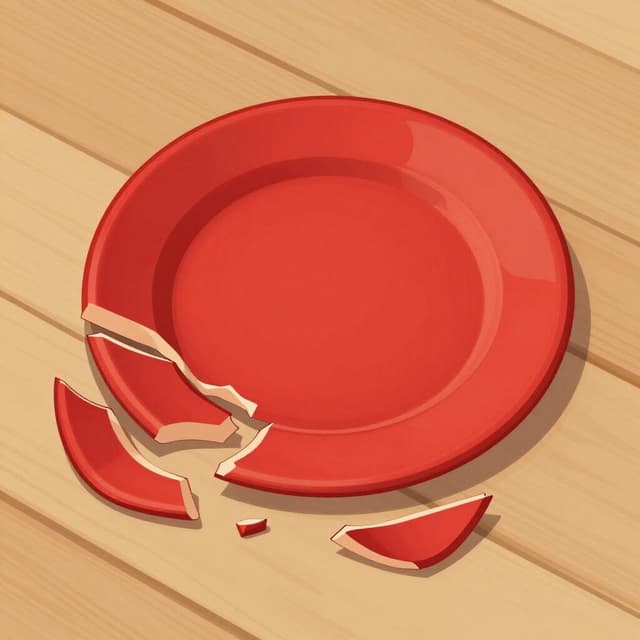
quebrar Conditional Conjugation
quebrar — to break
The conditional of quebrar is regular: quebraría, quebrarías, quebraría, etc.
quebrar Conditional Forms
When to Use the Conditional
Use to say something 'would break' under certain conditions or to express future-in-the-past.
Notes on quebrar in the Conditional
Quebrar is regular in the conditional. Keep the entire infinitive as the base.
Example Sentences
Yo no quebraría ese contrato por nada.
I wouldn't break that contract for anything.
yo
¿Quebrarías el silencio si fuera necesario?
Would you break the silence if it were necessary?
tú
Dijeron que la madera se quebraría con el frío.
They said the wood would break with the cold.
él/ella/usted
Common Mistakes
Mistake: Using 'quiebraría'.
Correct: quebraría
Why: Stem changes from the present tense do not carry over to the conditional.
Master Spanish verbs in context
Memorizing tables only gets you so far. Read 200+ illustrated and narrated Spanish stories to see verbs like 'quebrar' used naturally — in the tenses you're learning.
Related Tenses
Present
yo: quiebro
Quebrar is a stem-changing verb in the present tense, changing e to ie in all forms except nosotros and vosotros.
Preterite
yo: quebré
Quebrar is completely regular in the preterite; it does not have a stem change here.
Imperfect
yo: quebraba
The imperfect of quebrar is regular: quebraba, quebrabas, quebraba, quebrábamos, quebrabais, quebraban.
Future
yo: quebraré
The future tense of quebrar is regular: simply add the endings to the infinitive (quebrar-).
Present Subjunctive
yo: quiebre
The present subjunctive of quebrar follows the e > ie stem change in the same pattern as the present indicative.
Imperfect Subjunctive
yo: quebrara
The imperfect subjunctive of quebrar is regular, derived from the third-person plural preterite 'quebraron'.
Affirmative Imperative
yo: quiebra
The imperative of quebrar uses the stem-changed 'quiebra' for tú commands.
Negative Imperative
yo: no quiebres
The negative imperative of quebrar uses the present subjunctive forms preceded by 'no'.