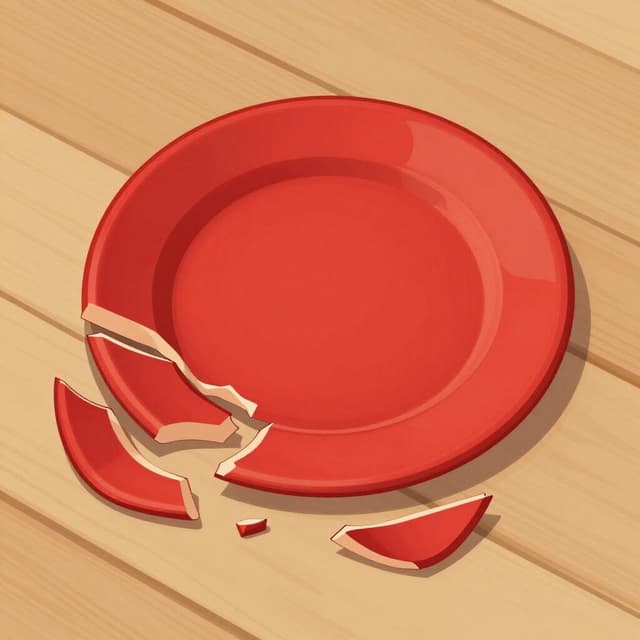
quebrar Preterite Conjugation
quebrar — to break
Quebrar is completely regular in the preterite; it does not have a stem change here.
quebrar Preterite Forms
When to Use the Preterite
Use the preterite for a specific moment something snapped or the exact date a business went under.
Notes on quebrar in the Preterite
Unlike the present tense, quebrar is regular in the preterite. There is no e > ie change.
Example Sentences
Ayer se quebró el cristal de la ventana.
Yesterday the window glass broke.
él/ella/usted
Quebré la rama seca para hacer fuego.
I broke the dry branch to make a fire.
yo
Ellos quebraron la empresa el año pasado.
They bankrupted the company last year.
ellos/ellas/ustedes
Common Mistakes
Mistake: Using 'quiebré' instead of 'quebré'.
Correct: quebré
Why: The e > ie stem change only happens in the present tense, not the preterite.
Master Spanish verbs in context
Memorizing tables only gets you so far. Read 200+ illustrated and narrated Spanish stories to see verbs like 'quebrar' used naturally — in the tenses you're learning.
Related Tenses
Present
yo: quiebro
Quebrar is a stem-changing verb in the present tense, changing e to ie in all forms except nosotros and vosotros.
Imperfect
yo: quebraba
The imperfect of quebrar is regular: quebraba, quebrabas, quebraba, quebrábamos, quebrabais, quebraban.
Future
yo: quebraré
The future tense of quebrar is regular: simply add the endings to the infinitive (quebrar-).
Conditional
yo: quebraría
The conditional of quebrar is regular: quebraría, quebrarías, quebraría, etc.
Present Subjunctive
yo: quiebre
The present subjunctive of quebrar follows the e > ie stem change in the same pattern as the present indicative.
Imperfect Subjunctive
yo: quebrara
The imperfect subjunctive of quebrar is regular, derived from the third-person plural preterite 'quebraron'.
Affirmative Imperative
yo: quiebra
The imperative of quebrar uses the stem-changed 'quiebra' for tú commands.
Negative Imperative
yo: no quiebres
The negative imperative of quebrar uses the present subjunctive forms preceded by 'no'.