regar Imperfect Conjugation
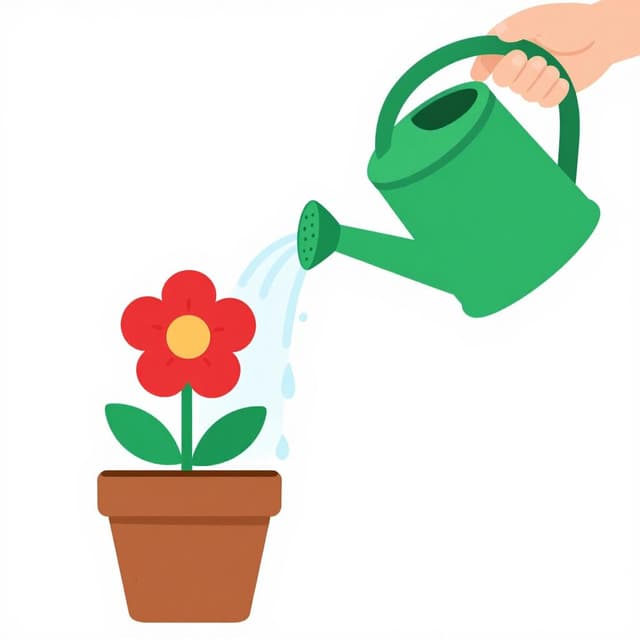
regar — to water
Regar is completely regular in the imperfect: regaba, regabas, regaba, regábamos, regabais, regaban.
regar Imperfect Forms
When to Use the Imperfect
Use the imperfect to describe your watering habits in the past or to set the scene, like 'I was watering when it started to rain.'
Notes on regar in the Imperfect
There are no stem changes or spelling changes here. Just take the root 'reg-' and add the standard '-aba' endings.
Example Sentences
Cuando vivía en el campo, regaba el jardín a diario.
When I lived in the country, I used to water the garden daily.
yo
Nosotros regábamos las macetas juntos.
We used to water the pots together.
nosotros
Ellas regaban los árboles mientras yo cortaba el césped.
They were watering the trees while I was mowing the lawn.
ellos/ellas/ustedes
Common Mistakes
Mistake: regabamos
Correct: regábamos
Why: The nosotros form of the imperfect always requires an accent on the first 'a' of the ending.
Master Spanish verbs in context
Memorizing tables only gets you so far. Read 200+ illustrated and narrated Spanish stories to see verbs like 'regar' used naturally — in the tenses you're learning.
Related Tenses
Present
yo: riego
Regar changes its stem from 'e' to 'ie' in all forms except nosotros and vosotros: riego, riegas, riega, regamos, regáis, riegan.
Preterite
yo: regué
Regar has a spelling change in the 'yo' form (regué) to keep the sound consistent, but otherwise follows regular -ar patterns.
Future
yo: regaré
The future tense of regar is regular: regaré, regarás, regará, regaremos, regaréis, regarán.
Conditional
yo: regaría
The conditional of regar is regular: regaría, regarías, regaría, regaríamos, regaríais, regarían.
Present Subjunctive
yo: riegue
The present subjunctive follows the stem change (ie) and the spelling change (gu): riegue, riegues, riegue, reguemos, reguéis, rieguen.
Imperfect Subjunctive
yo: regara
The imperfect subjunctive of regar is regular based on the preterite stem: regara, regaras, regara, regáramos, regarais, regaran.
Affirmative Imperative
yo: riega
Use 'riega' (tú) or 'riegue' (usted) to give commands to water something.
Negative Imperative
yo: no riegues
The negative imperative uses present subjunctive forms: no riegues, no riegue, no reguemos, no reguéis, no rieguen.