regar Preterite Conjugation
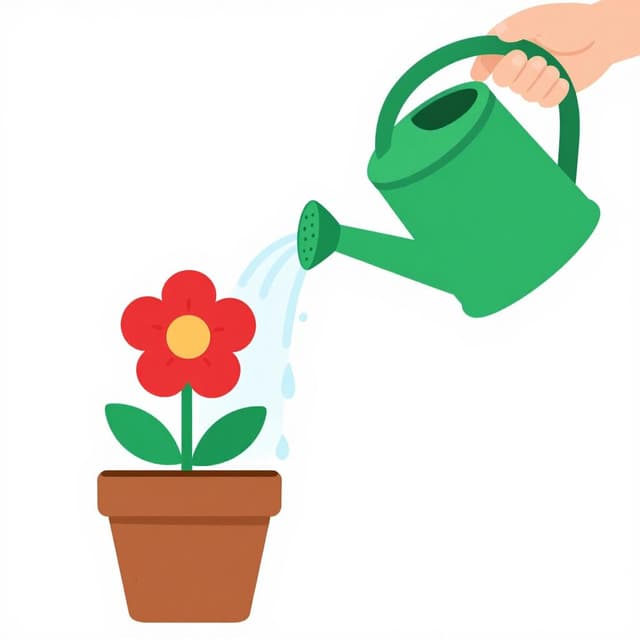
regar — to water
Regar has a spelling change in the 'yo' form (regué) to keep the sound consistent, but otherwise follows regular -ar patterns.
regar Preterite Forms
When to Use the Preterite
Use the preterite to mention a specific time you finished watering, like 'I watered the garden yesterday.'
Notes on regar in the Preterite
Watch out for the 'yo' form! To keep the 'g' sounding hard (like 'game'), we add a 'u' before the 'é', resulting in 'regué'. All other forms are regular.
Example Sentences
Ayer regué el huerto por la tarde.
Yesterday I watered the vegetable garden in the afternoon.
yo
¿Regaste las flores de la entrada?
Did you water the flowers at the entrance?
tú
Ella regó sus orquídeas el lunes.
She watered her orchids on Monday.
él/ella/usted
Ellos regaron el campo después de la siembra.
They watered the field after the planting.
ellos/ellas/ustedes
Common Mistakes
Mistake: regué (pronounced like 'ray-goo-eh')
Correct: regué (pronounced 'ray-gay')
Why: The 'u' is silent; it's only there to make the 'g' hard before the 'e'.
Mistake: riegue
Correct: regué
Why: Learners often try to use the 'ie' stem change in the preterite, but regar is regular in the past except for the spelling change.
Master Spanish verbs in context
Memorizing tables only gets you so far. Read 200+ illustrated and narrated Spanish stories to see verbs like 'regar' used naturally — in the tenses you're learning.
Related Tenses
Present
yo: riego
Regar changes its stem from 'e' to 'ie' in all forms except nosotros and vosotros: riego, riegas, riega, regamos, regáis, riegan.
Imperfect
yo: regaba
Regar is completely regular in the imperfect: regaba, regabas, regaba, regábamos, regabais, regaban.
Future
yo: regaré
The future tense of regar is regular: regaré, regarás, regará, regaremos, regaréis, regarán.
Conditional
yo: regaría
The conditional of regar is regular: regaría, regarías, regaría, regaríamos, regaríais, regarían.
Present Subjunctive
yo: riegue
The present subjunctive follows the stem change (ie) and the spelling change (gu): riegue, riegues, riegue, reguemos, reguéis, rieguen.
Imperfect Subjunctive
yo: regara
The imperfect subjunctive of regar is regular based on the preterite stem: regara, regaras, regara, regáramos, regarais, regaran.
Affirmative Imperative
yo: riega
Use 'riega' (tú) or 'riegue' (usted) to give commands to water something.
Negative Imperative
yo: no riegues
The negative imperative uses present subjunctive forms: no riegues, no riegue, no reguemos, no reguéis, no rieguen.