tentar Imperfect Subjunctive Conjugation
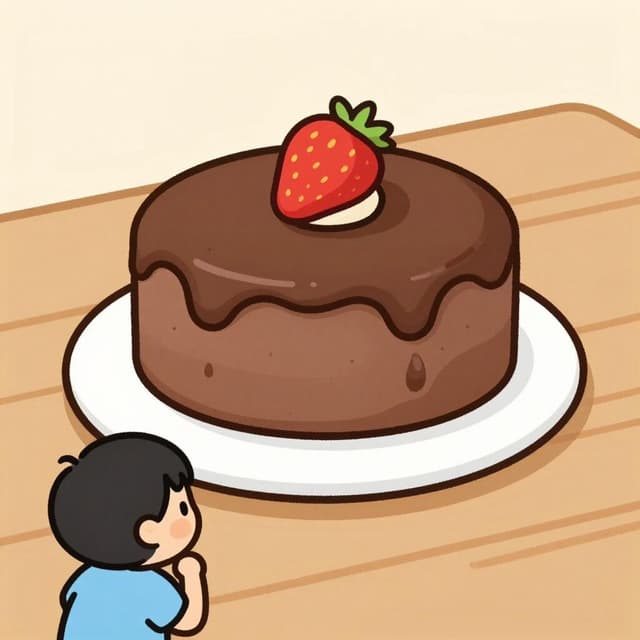
tentar — to tempt
The imperfect subjunctive is regular: tentara, tentaras, tentara, tentáramos, tentarais, tentaran.
tentar Imperfect Subjunctive Forms
When to Use the Imperfect Subjunctive
Use this in 'if' clauses (hypotheticals) or when the main verb is in the past, e.g., 'If it tempted me, I would buy it'.
Notes on tentar in the Imperfect Subjunctive
This tense is regular. It is built from the third-person plural preterite (tentaron), so there is no stem change.
Example Sentences
Si me tentara ese coche, lo compraría.
If that car tempted me, I would buy it.
él/ella/usted
Me pidió que no tentara a los perros.
He asked me not to tempt (provoke) the dogs.
yo
Si tentáramos la suerte, podríamos perderlo todo.
If we were to tempt fate, we could lose everything.
nosotros
Common Mistakes
Mistake: Using 'tientara' with an 'ie'.
Correct: The correct form is 'tentara'.
Why: Because the preterite is regular (tentaron), the imperfect subjunctive remains regular as well.
Master Spanish verbs in context
Memorizing tables only gets you so far. Read 200+ illustrated and narrated Spanish stories to see verbs like 'tentar' used naturally — in the tenses you're learning.
Related Tenses
Present
yo: tiento
The present tense of tentar features an e-to-ie stem change in all forms except nosotros and vosotros.
Preterite
yo: tenté
The preterite of tentar is completely regular: tenté, tentaste, tentó, tentamos, tentasteis, tentaron.
Imperfect
yo: tentaba
The imperfect of tentar is regular: tentaba, tentabas, tentaba, tentábamos, tentabais, tentaban.
Future
yo: tentaré
The future tense is regular; simply add the endings to the infinitive: tentaré, tentarás, tentará...
Conditional
yo: tentaría
The conditional is regular: tentaría, tentarías, tentaría, tentaríamos, tentaríais, tentarían.
Present Subjunctive
yo: tiente
The present subjunctive of tentar follows the e-to-ie stem change: tiente, tientes, tiente, tentemos, tentéis, tienten.
Affirmative Imperative
yo: tienta
The imperative uses 'tienta' (tú) and 'tiente' (usted), following the stem change.
Negative Imperative
yo: no tientes
The negative imperative uses the present subjunctive forms: no tientes, no tiente, no tentemos...