tentar Present Conjugation
tentar — to tempt
The present tense of tentar features an e-to-ie stem change in all forms except nosotros and vosotros.
tentar Present Forms
When to Use the Present
Use the present tense to talk about things that are currently tempting you, general habits, or the act of testing/probing something with your hands.
Notes on tentar in the Present
This is a radical-changing verb. The 'e' in the stem changes to 'ie' when stressed (tiento, tientas, tienta, tientan).
Example Sentences
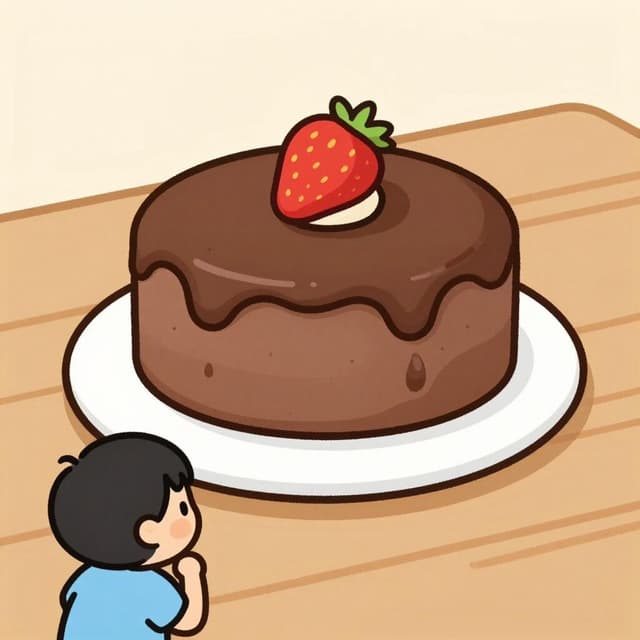
Ese postre de chocolate me tienta mucho.
That chocolate dessert tempts me a lot.
él/ella/usted
Siempre tiento la ropa para ver si está seca.
I always feel the clothes to see if they are dry.
yo
¿Tientas a la suerte con ese negocio?
Are you tempting fate with that business?
tú
Common Mistakes
Mistake: Using 'tentamos' with an 'ie'.
Correct: The correct form is 'tentamos'.
Why: Stem changes never occur in the nosotros or vosotros forms in the present indicative.
Master Spanish verbs in context
Memorizing tables only gets you so far. Read 200+ illustrated and narrated Spanish stories to see verbs like 'tentar' used naturally — in the tenses you're learning.
Related Tenses
Preterite
yo: tenté
The preterite of tentar is completely regular: tenté, tentaste, tentó, tentamos, tentasteis, tentaron.
Imperfect
yo: tentaba
The imperfect of tentar is regular: tentaba, tentabas, tentaba, tentábamos, tentabais, tentaban.
Future
yo: tentaré
The future tense is regular; simply add the endings to the infinitive: tentaré, tentarás, tentará...
Conditional
yo: tentaría
The conditional is regular: tentaría, tentarías, tentaría, tentaríamos, tentaríais, tentarían.
Present Subjunctive
yo: tiente
The present subjunctive of tentar follows the e-to-ie stem change: tiente, tientes, tiente, tentemos, tentéis, tienten.
Imperfect Subjunctive
yo: tentara
The imperfect subjunctive is regular: tentara, tentaras, tentara, tentáramos, tentarais, tentaran.
Affirmative Imperative
yo: tienta
The imperative uses 'tienta' (tú) and 'tiente' (usted), following the stem change.
Negative Imperative
yo: no tientes
The negative imperative uses the present subjunctive forms: no tientes, no tiente, no tentemos...