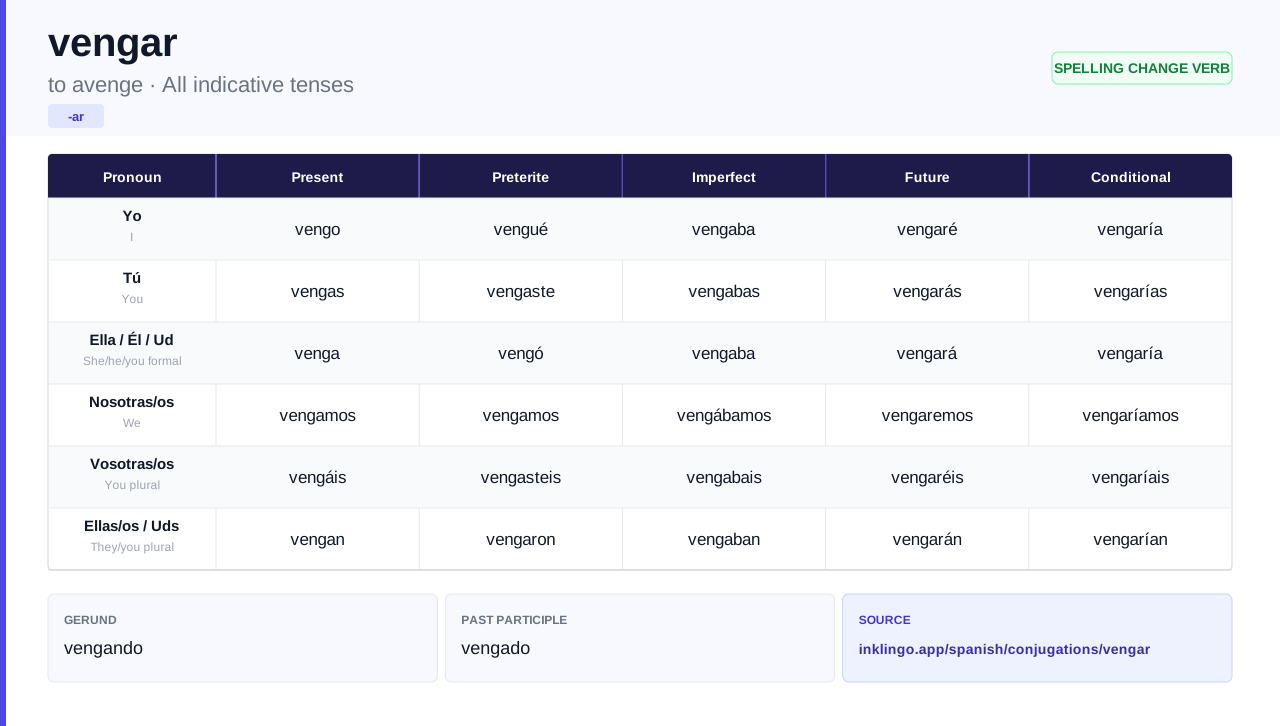
vengarConjugation
vengar means to avenge.
Complete Conjugation Tables
Reference all tenses and moods
Subjunctive
Imperfect Subjunctive
The imperfect subjunctive of vengar follows the standard -ara pattern: vengara, vengaras, vengara, vengáramos, vengarais, vengaran.
Present Subjunctive
The present subjunctive of vengar requires a spelling change from 'g' to 'gu': vengue, vengues, vengue, venguemos, venguéis, venguen.
Imperative
Negative Imperative
The negative imperative of vengar always uses the 'gu' spelling change: no vengues, no vengue, no venguen.
Imperative
The imperative of vengar uses 'venga' for tú and 'venguen' for ustedes.
Indicative
Conditional
The conditional of vengar is regular: vengaría, vengarías, vengaría, vengaríamos, vengaríais, vengarían.
Preterite
Vengar is regular in the preterite except for the 'yo' form, which changes to vengué.
Imperfect
The imperfect of vengar is regular: vengaba, vengabas, vengaba, vengábamos, vengabais, vengaban.
Present
Vengar is a regular -ar verb in the present tense: vengo, vengas, venga, vengamos, vengáis, vengan.
Future
The future of vengar is regular: vengaré, vengarás, vengará, vengaremos, vengaréis, vengarán.
Practice Conjugations
Test your knowledge with interactive exercises
Take vengar from tables to real Spanish
Conjugation tables are the start. Read 200+ illustrated and narrated Spanish stories to see 'vengar' in action across real sentences — and build the instinct that native speakers have.
Frequently Asked Questions
What does vengar mean in Spanish?
vengar means "to avenge".
Is vengar a regular or irregular verb?
vengar is a spelling change -ar verb in Spanish.
How do you conjugate vengar in the present tense?
The present tense of vengar is: yo vengo, tú vengas, él/ella/usted venga, nosotros vengamos, vosotros vengáis, ellos/ellas/ustedes vengan.
How do you conjugate vengar in the preterite (past tense)?
The preterite of vengar is: yo vengué, tú vengaste, él/ella/usted vengó, nosotros vengamos, vosotros vengasteis, ellos/ellas/ustedes vengaron.
vengar conjugation cheat sheet