ésa
“ésa” means “that one” in Spanish (Feminine singular, medium distance).
that one, that
Also: the one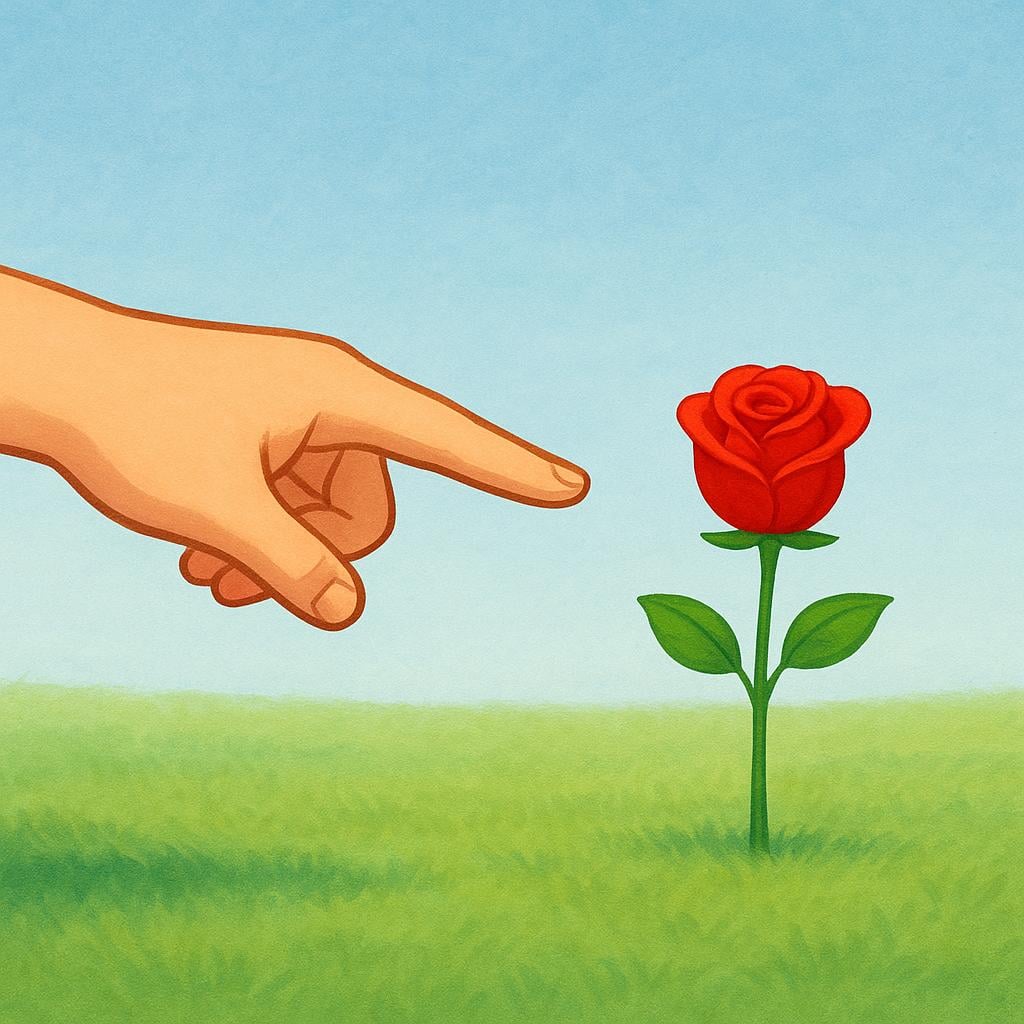
📝 In Action
¿Quieres esta manzana o ésa?
A1Do you want this apple or that one?
La casa azul es ésa, cerca del parque.
A2The blue house is that one, near the park.
No me gusta esta camisa; prefiero ésa que está en el escaparate.
B1I don't like this shirt; I prefer that one in the window.
✏️ Quick Practice
Quick Quiz: ésa
Question 1 of 2
Which sentence correctly uses 'ésa' to replace the feminine noun 'la pluma' (the pen)?
📚 More Resources
👥 Word Family▼
📚 Etymology▼
Comes from the Latin word *ipsa*, meaning 'the selfsame one' or 'that very one.' Over time, the meaning evolved in Spanish into a general demonstrative pronoun used to point things out.
First recorded: Medieval Spanish
Cognates (Related words)
💡 Master Spanish
Take your Spanish to the next level. Read 200+ illustrated and narrated Spanish stories tailored to your level with the Inklingo app!
Frequently Asked Questions
Why does 'ésa' sometimes lose its accent mark?
The RAE (Royal Spanish Academy) determined in 2010 that the accent mark (tilde) on demonstrative pronouns like 'ésa' is generally optional. Since confusion between the pronoun ('that one') and the adjective ('that') is rare in context, the accent is often omitted in modern writing. However, when we include the accent, we are specifically highlighting its function as a standalone pronoun.
How do I know whether to use 'ésa' or 'aquélla'?
Both mean 'that one.' 'Ésa' is for things that are a medium distance away (like across the room or near your friend). 'Aquélla' is for things that are much further away (like across the street or across the field), indicating far distance.