aguarda
“aguarda” means “waits” in Spanish. It has 2 different meanings depending on context:
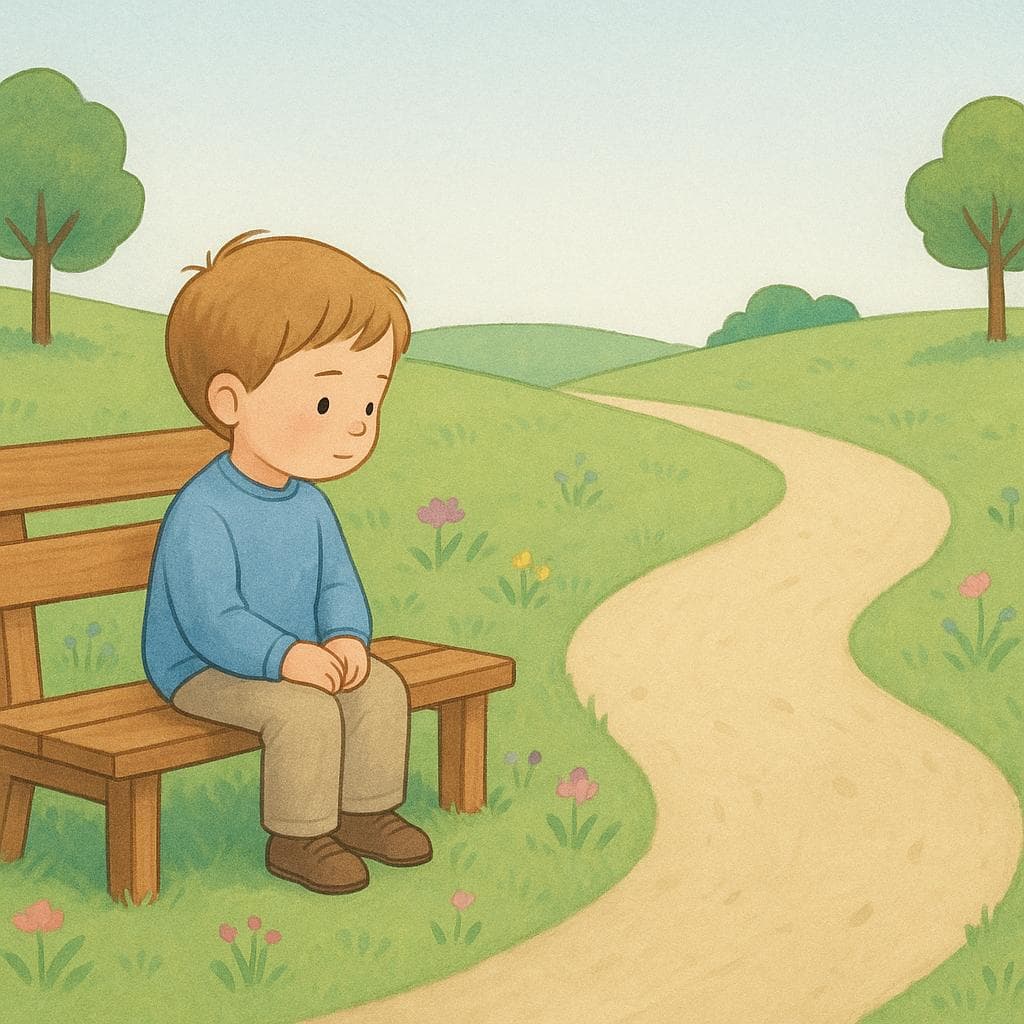

waits, expectsAlso: is awaiting

📝 In Action
El director aguarda los resultados de la reunión.
B1The director awaits the results of the meeting.
Mi abuela siempre aguarda la primavera para plantar flores.
A2My grandmother always waits for spring to plant flowers.
¿Usted aguarda el autobús o el tren?
A2Are you (formal) waiting for the bus or the train?
Word Connections
wait!Also: hold on!

📝 In Action
Aguarda un segundo, necesito encontrar mis llaves.
A1Wait a second, I need to find my keys.
Aguarda mi señal antes de empezar.
A2Wait for my signal before starting.
Word Connections
Indicative
Present
Imperfect
Preterite
Subjunctive
Present Subjunctive
Imperfect Subjunctive
Translate to Spanish
Words that translate to "aguarda" in Spanish:
✏️ Quick Practice
Quick Quiz: aguarda
Question 1 of 1
Which sentence uses 'aguarda' as an informal command?
📚 More Resources
👥 Word Family
📚 Etymology
Comes from the Old Spanish verb *aguardar*, which itself evolved from the Germanic word *wardōn* (to watch or guard), combined with the Latin prefix *ad-* (to, toward). The original meaning was 'to watch over' or 'to guard,' which naturally extended to 'waiting' or 'expecting' the arrival of something.
First recorded: 13th century
Cognates (Related words)
💡 Master Spanish
Take your Spanish to the next level. Read 200+ illustrated and narrated Spanish stories tailored to your level with the Inklingo app!
Frequently Asked Questions
What is the difference between 'aguardar' and 'esperar'?
'Esperar' is the most common and versatile verb for 'to wait' or 'to hope.' 'Aguardar' means 'to await' or 'to expect' and is often used in writing or in slightly more formal contexts. Both are correct, but 'esperar' is used much more in daily conversation.
Is 'aguarda' only used for people?
No. While it often refers to people waiting, it can also refer to things. For example, 'La sorpresa aguarda en la caja' (The surprise awaits in the box).