aparta
“aparta” means “moves aside” in Spanish (physically moving an object or person).
moves aside, move!
Also: sets aside, separates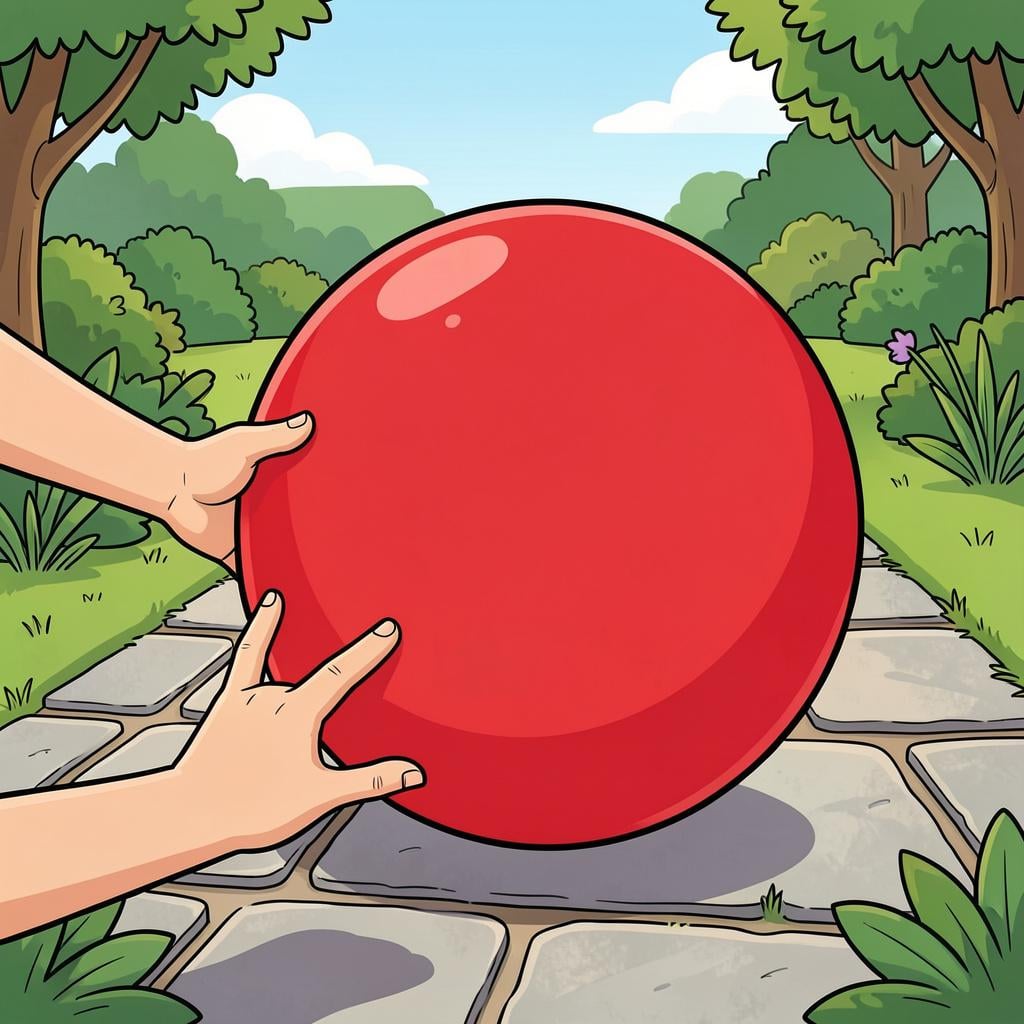
📝 In Action
Ella aparta las cortinas para que entre el sol.
A2She moves the curtains aside so the sun can come in.
¡Aparta! No puedo ver la televisión.
A1Move! I can't see the TV.
Él siempre aparta un poco de dinero para sus viajes.
B1He always sets aside a bit of money for his trips.
Subjunctive
Imperfect Subjunctive
Present Subjunctive
Indicative
Preterite
Imperfect
Present
Translate to Spanish
✏️ Quick Practice
Quick Quiz: aparta
Question 1 of 2
If you want to tell a friend to get out of the way quickly, what would you say?
📚 More Resources
👥 Word Family▼
🎵 Rhymes▼
📚 Etymology▼
From the Spanish verb 'apartar', which comes from 'a-' (towards) and 'parte' (part/side), originally meaning to put to one side.
First recorded: 13th century
Cognates (Related words)
💡 Master Spanish
Take your Spanish to the next level. Read 200+ illustrated and narrated Spanish stories tailored to your level with the Inklingo app!
Frequently Asked Questions
Is 'aparta' different from 'apártate'?
Yes. 'Aparta' is usually for moving something else (like a chair), while 'apártate' is used when you are telling someone to move their own body.