aspirina
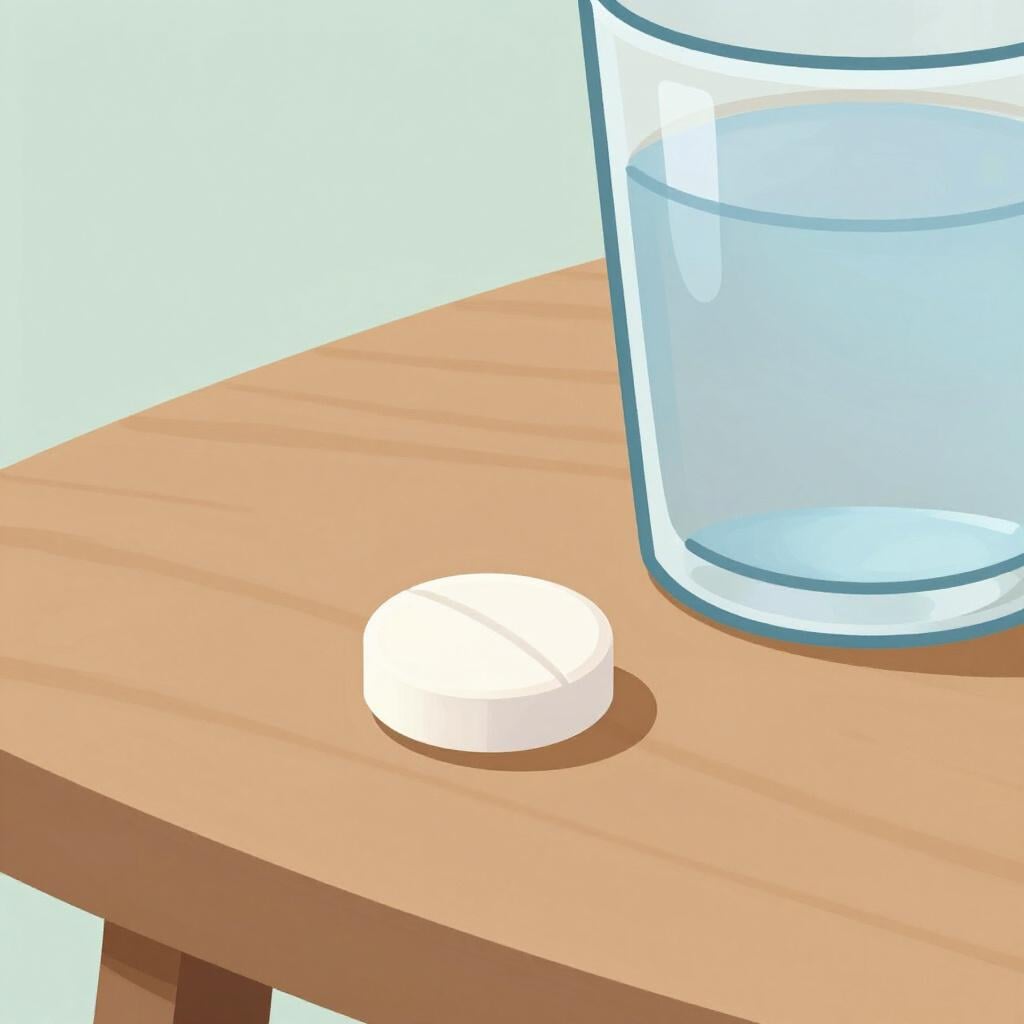
“aspirina” means “aspirin” in Spanish (a common medication used to reduce pain and fever).
aspirinAlso: painkiller
📝 In Action
Tengo un dolor de cabeza terrible, ¿tienes una aspirina?
A1I have a terrible headache, do you have an aspirin?
El doctor dice que una aspirina al día es buena para el corazón.
A2The doctor says an aspirin a day is good for the heart.
Prefiero las aspirinas efervescentes porque se disuelven en agua.
B1I prefer effervescent aspirins because they dissolve in water.
Word Connections
Translate to Spanish
Words that translate to "aspirina" in Spanish:
✏️ Quick Practice
Quick Quiz: aspirina
Question 1 of 3
Which of these is the correct way to say 'the aspirin'?
📚 More Resources
📚 Etymology
Derived from the German brand name 'Aspirin.' The 'A' stands for acetyl, and 'spir' comes from 'Spiraea ulmaria,' the plant from which salicylic acid was originally derived.
First recorded: Early 20th century
Cognates (Related words)
💡 Master Spanish
Take your Spanish to the next level. Read 200+ illustrated and narrated Spanish stories tailored to your level with the Inklingo app!
Frequently Asked Questions
Is 'aspirina' capitalized in Spanish?
No. Unlike some brand names in English, 'aspirina' is treated as a common noun in Spanish and is not capitalized unless it starts a sentence.
Can I use 'aspirina' for any pain reliever?
Technically no, but colloquially many people use it that way. However, if you need something specific like Ibuprofen, it's better to use the specific name: 'ibuprofeno'.
Is 'aspirina' used differently in Spain vs. Mexico?
No, the word and its usage are identical throughout the Spanish-speaking world.