How to Say "painkiller" in Spanish
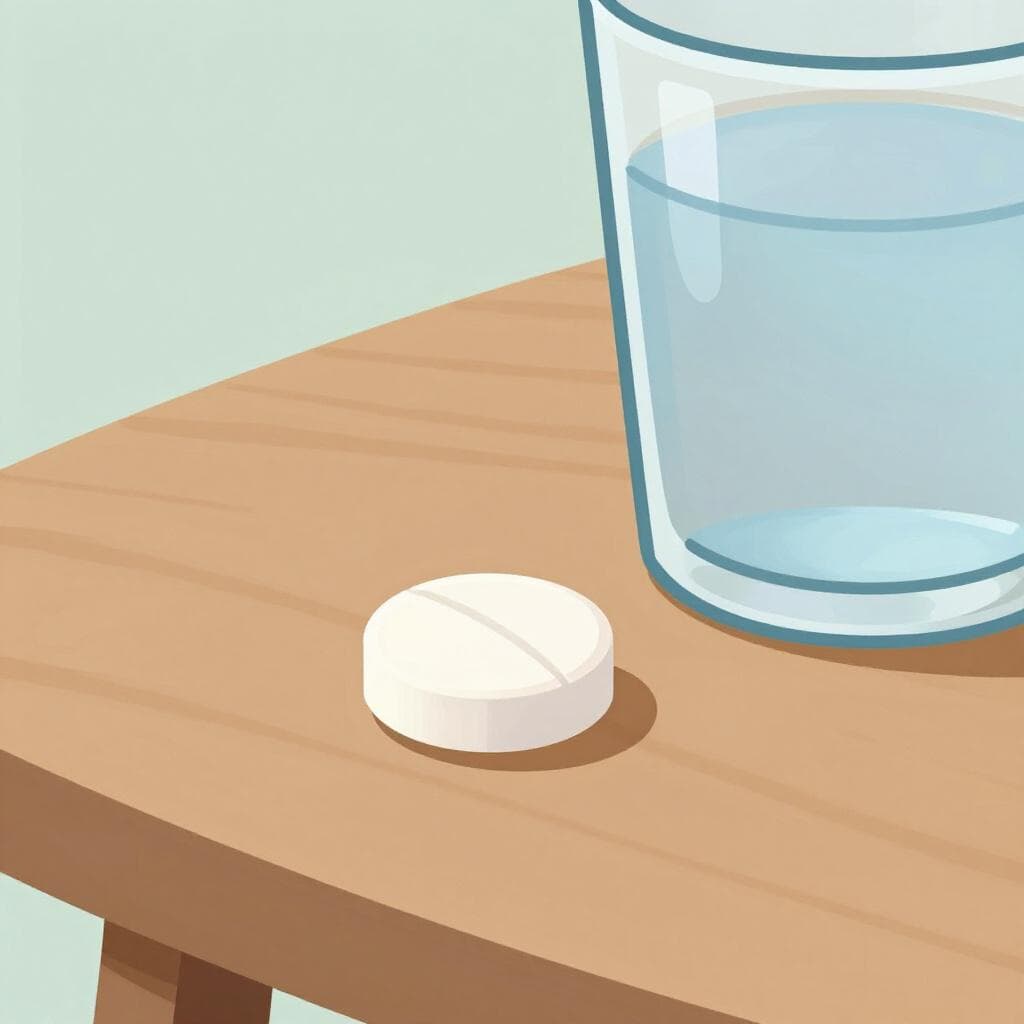
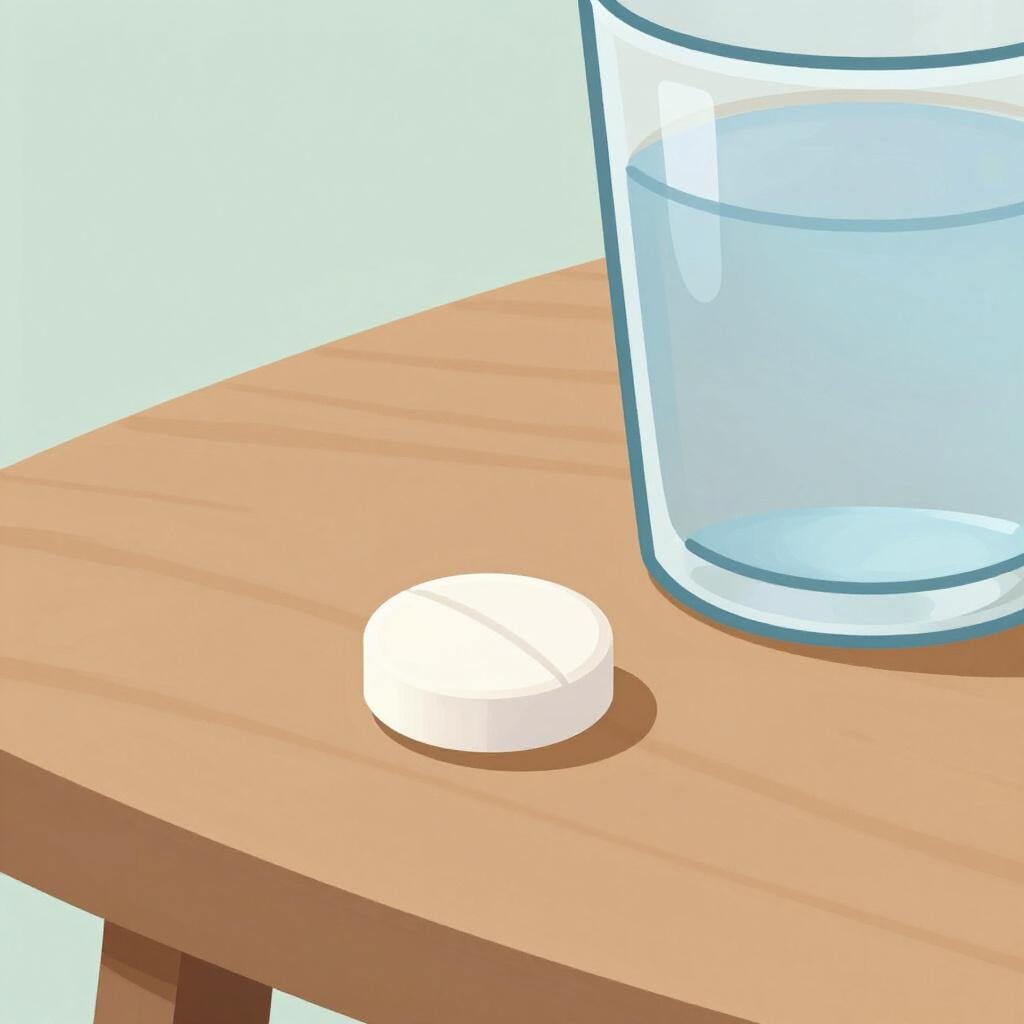
The most common Spanish word for “painkiller” is “aspirina” — use 'aspirina' when referring to a common over-the-counter tablet for headaches or general mild pain, even if it's not actually aspirin.

as-pee-REE-nahaspiˈɾina
Examples
Me duele la cabeza, ¿me das una aspirina?
My head hurts, can you give me an aspirin?
Tengo un dolor de cabeza terrible, ¿tienes una aspirina?
I have a terrible headache, do you have an aspirin?
El doctor dice que una aspirina al día es buena para el corazón.
The doctor says an aspirin a day is good for the heart.
Prefiero las aspirinas efervescentes porque se disuelven en agua.
I prefer effervescent aspirins because they dissolve in water.
Always Feminine
The word 'aspirina' is a feminine noun. You must always use feminine markers like 'la', 'una', or 'muchas' with it.
Plural Form
To talk about more than one, simply add an 's' to the end: 'las aspirinas'.
The 'Y' Trap
Mistake: “aspiryna”
Correction: aspirina
seh-DAHN-tehseˈðante
Examples
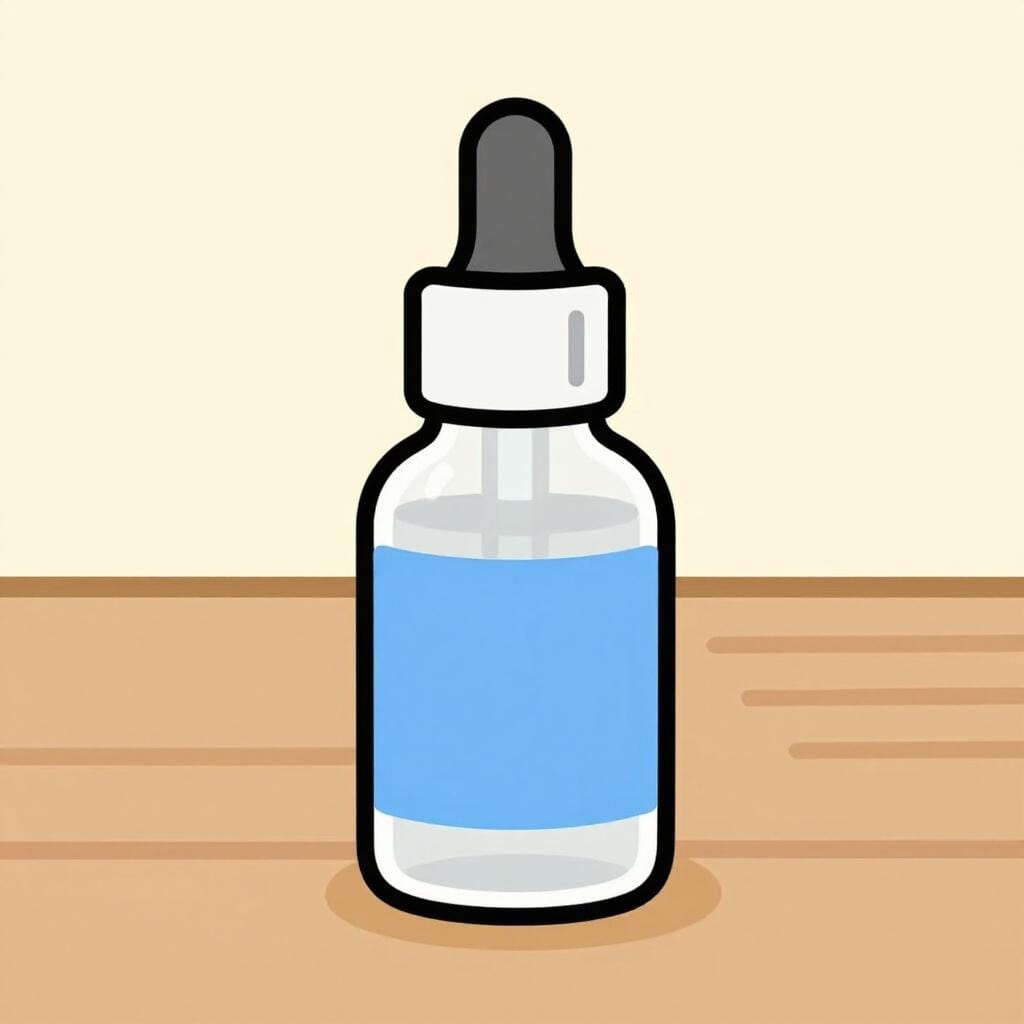
El médico me recetó un sedante para dormir.
The doctor prescribed me a sedative to sleep.
El doctor me dio un sedante para los nervios.
The doctor gave me a sedative for my nerves.
Los efectos del sedante duran ocho horas.
The effects of the sedative last eight hours.
No puedes conducir si has tomado un sedante.
You cannot drive if you have taken a sedative.
Nouns from Adjectives
In Spanish, you can often turn an adjective into a noun just by putting 'un' or 'el' in front of it. 'Sedante' goes from describing a tea to being the medicine itself.
Gender confusion
Mistake: “Saying 'la sedante'.”
Correction: As a noun referring to medication, it is almost always masculine: 'el sedante'.
Don't use 'sedante' for headaches
The most common mistake is using 'sedante' when you mean a general pain reliever like 'aspirina'. Remember, 'sedante' specifically refers to a tranquilizer or sedative drug, not a typical painkiller for headaches.
Related Translations
Learn Spanish with Inklingo
Interactive stories, personalized learning, and more.