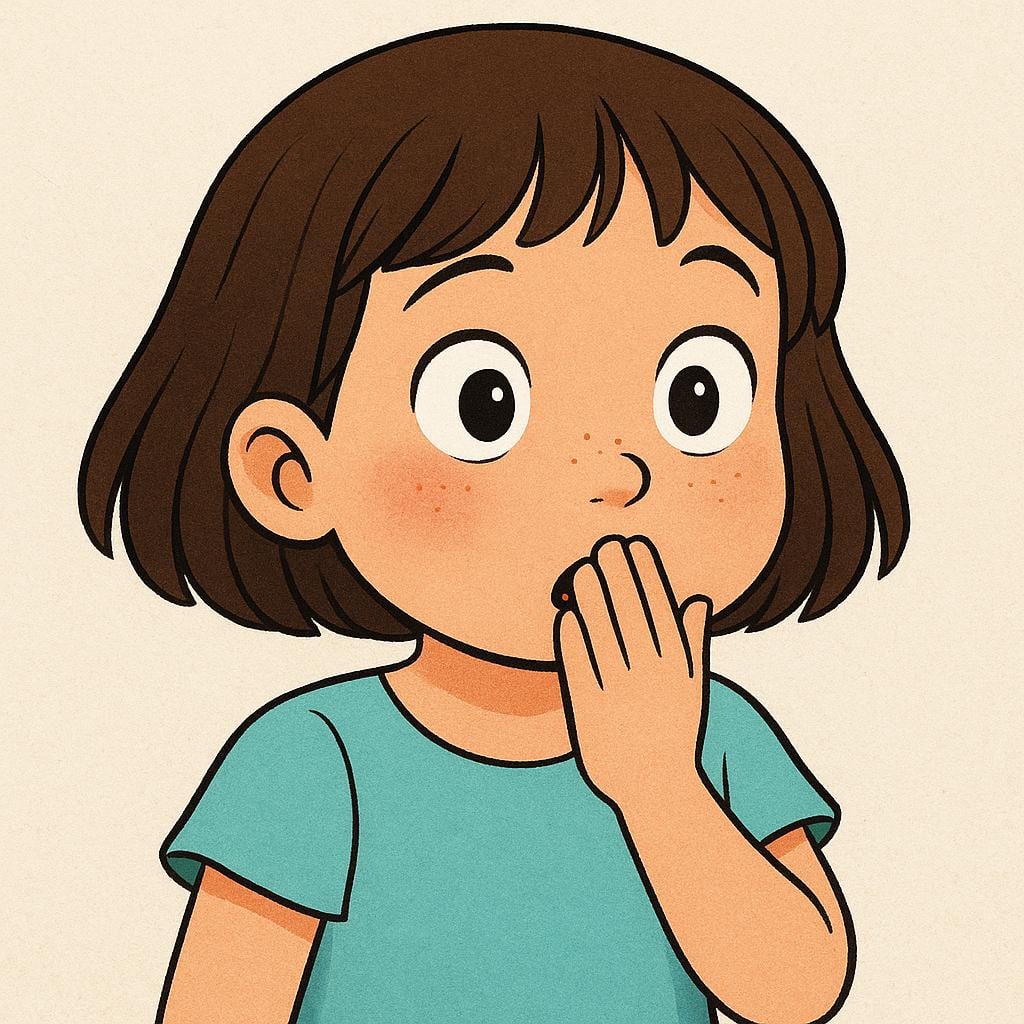
asustada
“asustada” means “scared” in Spanish (referring to a female).
scared, frightenedAlso: afraid
📝 In Action
Mi hermana estaba asustada por la película de terror.
A1My sister was scared by the horror movie.
La perrita se escondió porque estaba muy asustada.
A2The little dog hid because she was very frightened.
¿Estás asustada? No te preocupes, yo estoy aquí.
A1Are you scared? Don't worry, I'm here.
Word Connections
Translate to Spanish
Words that translate to "asustada" in Spanish:
✏️ Quick Practice
Quick Quiz: asustada
Question 1 of 2
Which sentence correctly uses 'asustada'?
📚 More Resources
👥 Word Family
📚 Etymology
This word comes from the verb 'asustar,' which itself is built from the Spanish noun 'susto' (a fright or a scare). It describes the state of having received a 'susto.' The root likely relates to older words describing sudden or abrupt actions.
First recorded: 15th century (as the verb form)
Cognates (Related words)
💡 Master Spanish
Take your Spanish to the next level. Read 200+ illustrated and narrated Spanish stories tailored to your level with the Inklingo app!
Frequently Asked Questions
What is the difference between 'asustada' and 'miedosa'?
'Asustada' means someone is currently experiencing fear (a state: 'She is scared right now'). 'Miedosa' (fearful) describes someone who is generally a timid or fearful person (a characteristic: 'She is a fearful person').
Can 'asustada' be used as a noun?
Yes, but it's less common. You could say 'La asustada no quería hablar' (The scared woman didn't want to talk), but it is primarily used as an adjective.