atascado
“atascado” means “stuck” in Spanish. It has 2 different meanings depending on context:

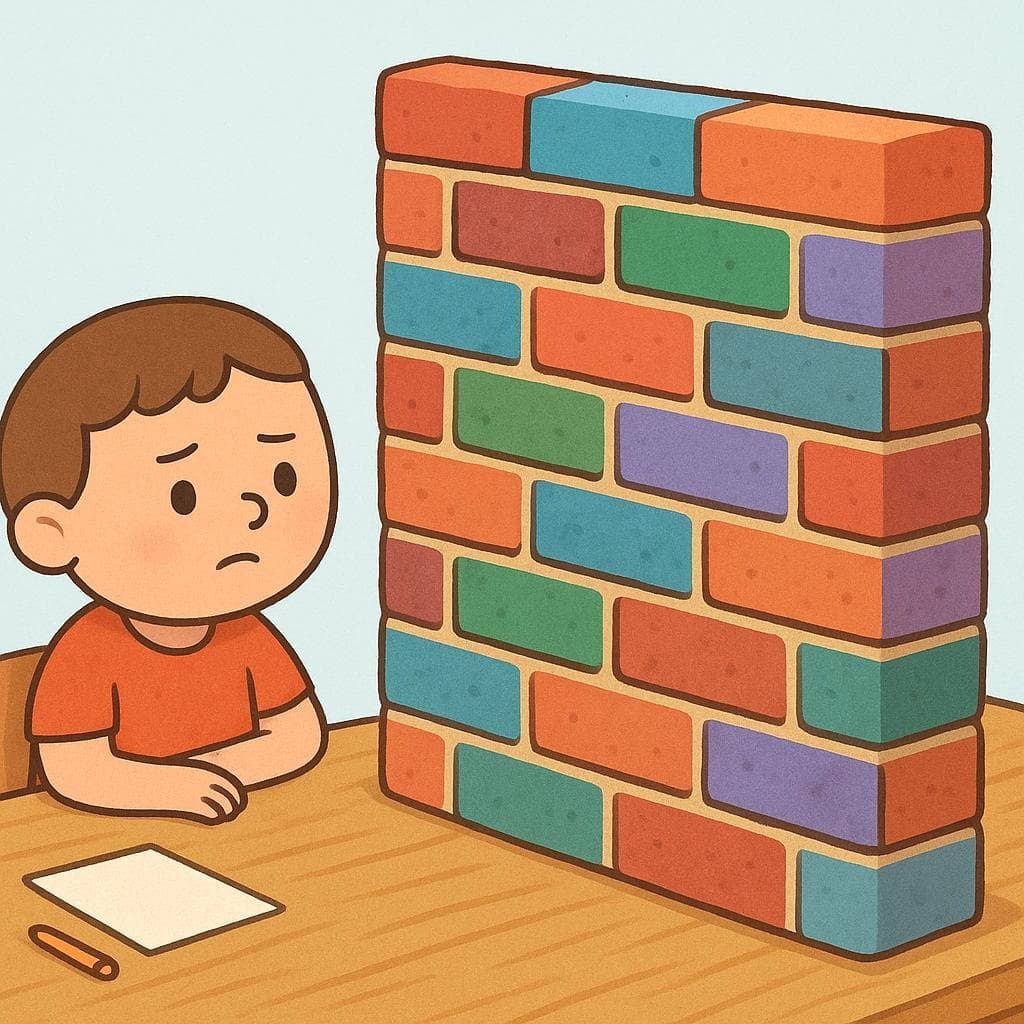
stuck, clogged
Also: jammed, blocked
📝 In Action
El desagüe está completamente atascado y no pasa el agua.
A2The drain is completely clogged and the water won't go through.
Estuvimos atascados en el tráfico por dos horas.
B1We were stuck in traffic for two hours.
La puerta del coche se quedó atascada y no pude abrirla.
A2The car door got jammed and I couldn't open it.
stuck, bogged down
Also: in a rut
📝 In Action
Estoy atascado con este ensayo; no sé cómo terminarlo.
B1I'm stuck on this essay; I don't know how to finish it.
El proyecto se quedó atascado en el departamento legal por meses.
B2The project got bogged down in the legal department for months.
No te quedes atascada en el pasado; sigue adelante.
B1Don't get stuck in the past; keep moving forward.
Translate to Spanish
✏️ Quick Practice
Quick Quiz: atascado
Question 1 of 1
Which sentence uses 'atascado' in its figurative (non-physical) sense?
📚 More Resources
👥 Word Family▼
📚 Etymology▼
Comes from the prefix 'a-' (indicating movement toward) and the root 'tascar,' which historically meant to pound or crush. Over time, it developed the sense of pushing something so hard it causes a stoppage or obstruction.
First recorded: 15th century
💡 Master Spanish
Take your Spanish to the next level. Read 200+ illustrated and narrated Spanish stories tailored to your level with the Inklingo app!
Frequently Asked Questions
If 'atascado' is a past participle, how is it different from the verb 'atascar'?
'Atascado' describes the result or state of the action. 'Atascar' is the action itself (to cause the jam). Think of it like 'broken' (atascado) versus 'to break' (atascar). We usually use 'estar atascado' to describe the current state.
Is 'atasco' the same as 'atascado'?
They are related! 'Atasco' (noun) is the actual jam or blockage (e.g., 'the traffic jam'). 'Atascado' (adjective) describes something that is *in* that state (e.g., 'the car is stuck').