ataúd
“ataúd” means “coffin” in Spanish (container for a deceased person).
coffin
Also: casket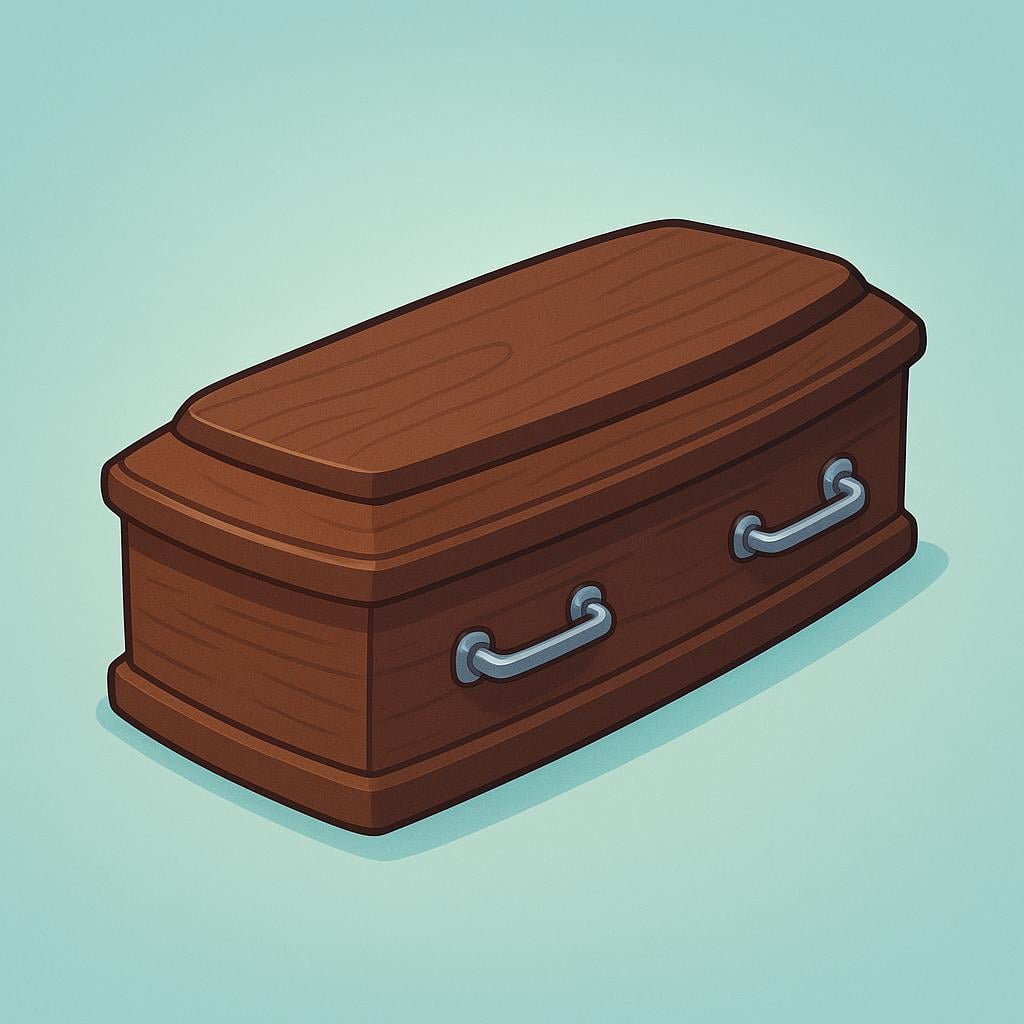
📝 In Action
El ataúd fue cubierto con una bandera.
B1The coffin was covered with a flag.
Los carpinteros construyeron un ataúd de madera de roble.
B2The carpenters built an oak wood casket.
Seis personas llevaron el ataúd hasta la tumba.
B1Six people carried the coffin to the grave.
✏️ Quick Practice
Quick Quiz: ataúd
Question 1 of 2
Which English word is the best primary translation for 'ataúd'?
📚 More Resources
👥 Word Family▼
🎵 Rhymes▼
📚 Etymology▼
This word comes from Arabic, specifically from the Spanish Arabic word *tābut*, which means 'box' or 'chest.' It entered Spanish during the medieval period.
First recorded: 13th century
Cognates (Related words)
💡 Master Spanish
Take your Spanish to the next level. Read 200+ illustrated and narrated Spanish stories tailored to your level with the Inklingo app!
Frequently Asked Questions
Why does 'ataúd' have an accent mark on the 'ú'?
The accent mark is there to make sure you stress the last syllable and pronounce the 'a' and 'ú' as two separate vowels (a 'hiatus'), not blending them together into one sound. If it didn't have the accent, the stress would fall on the 'a' (A-ta-ud).