bailes
“bailes” means “dances” in Spanish. It has 2 different meanings depending on context:
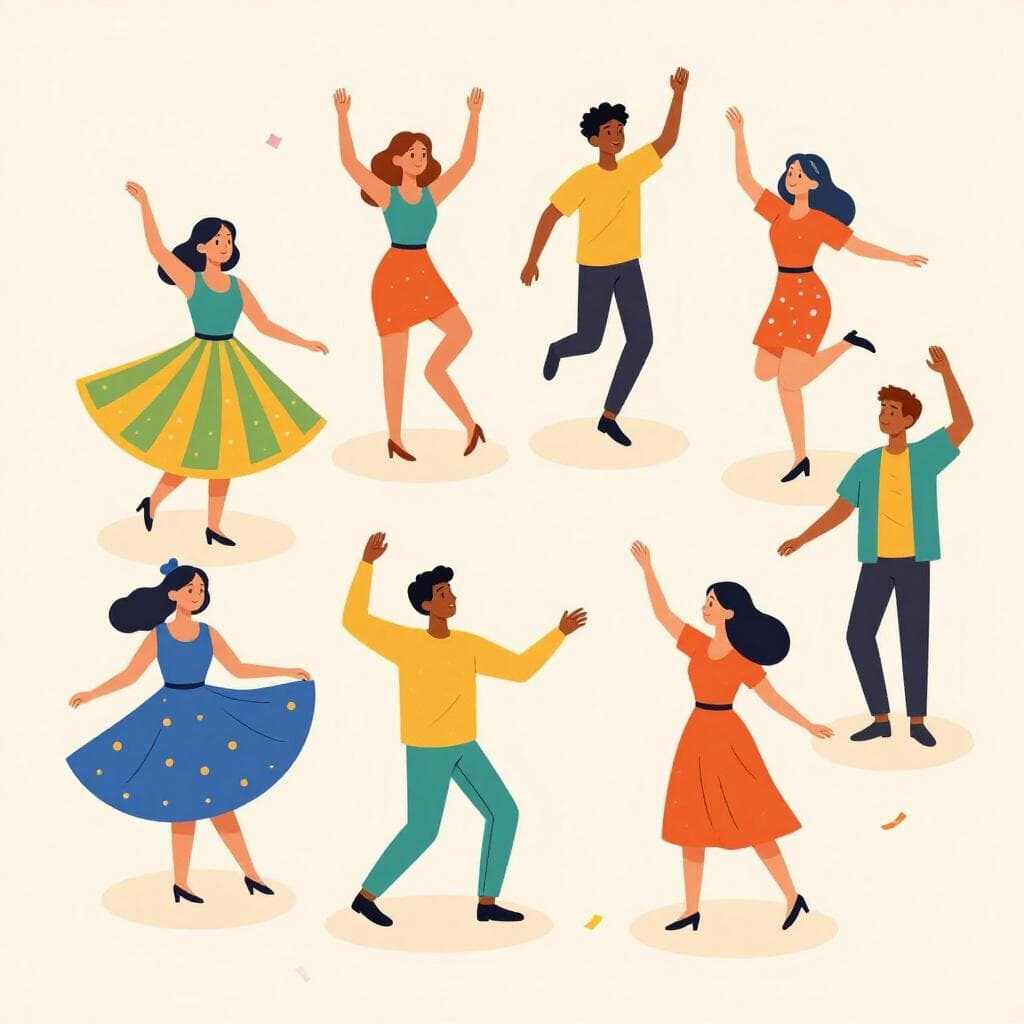
dances
Also: balls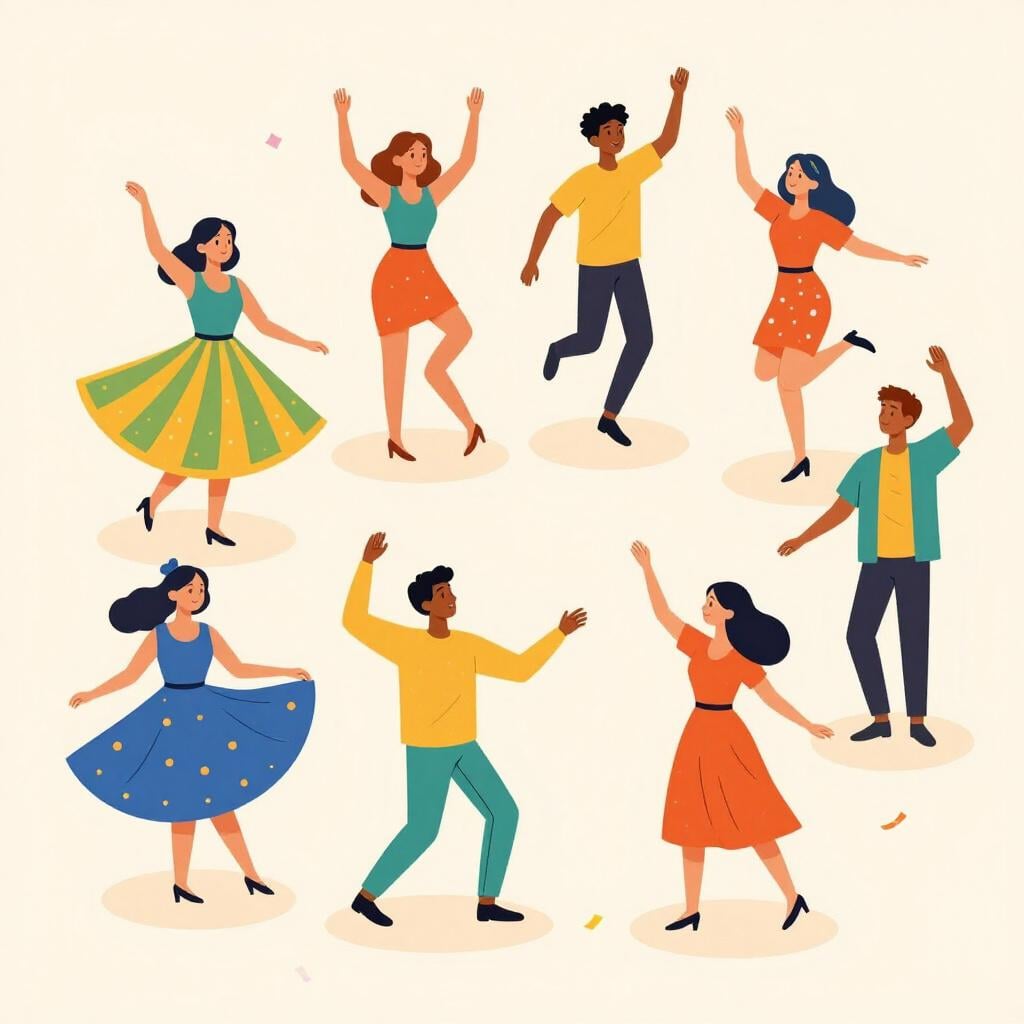
📝 In Action
Me encantan los bailes tradicionales de México.
A1I love the traditional dances of Mexico.
Habrá varios bailes en la fiesta del sábado.
A2There will be several dances at the party on Saturday.
you dance
Also: don't dance
📝 In Action
No quiero que bailes con él.
B1I don't want you to dance with him.
¡No bailes sobre la mesa!
A2Don't dance on the table!
🔄 Conjugations
subjunctive
imperfect
present
indicative
preterite
imperfect
present
Translate to Spanish
✏️ Quick Practice
Quick Quiz: bailes
Question 1 of 2
How would you tell a friend 'Don't dance' in Spanish?
📚 More Resources
👥 Word Family▼
🎵 Rhymes▼
📚 Etymology▼
From the verb 'bailar,' which comes from the Late Latin 'ballare,' meaning to dance or move rhythmically.
First recorded: 13th century
Cognates (Related words)
💡 Master Spanish
Take your Spanish to the next level. Read 200+ illustrated and narrated Spanish stories tailored to your level with the Inklingo app!
Frequently Asked Questions
Is 'bailes' the same as 'danzas'?
They are very similar! 'Bailes' is usually more common for social or popular dancing, while 'danzas' often refers to formal, artistic, or ancient ritualistic dances.
Why does the verb form change from 'bailas' to 'bailes'?
Spanish uses 'bailas' for facts (You dance well), but 'bailes' for 'moods' like wishing, doubting, or giving negative orders. It's like a signal that the sentence isn't just a simple statement.