bastantes
“bastantes” means “quite a few” in Spanish. It has 2 different meanings depending on context:
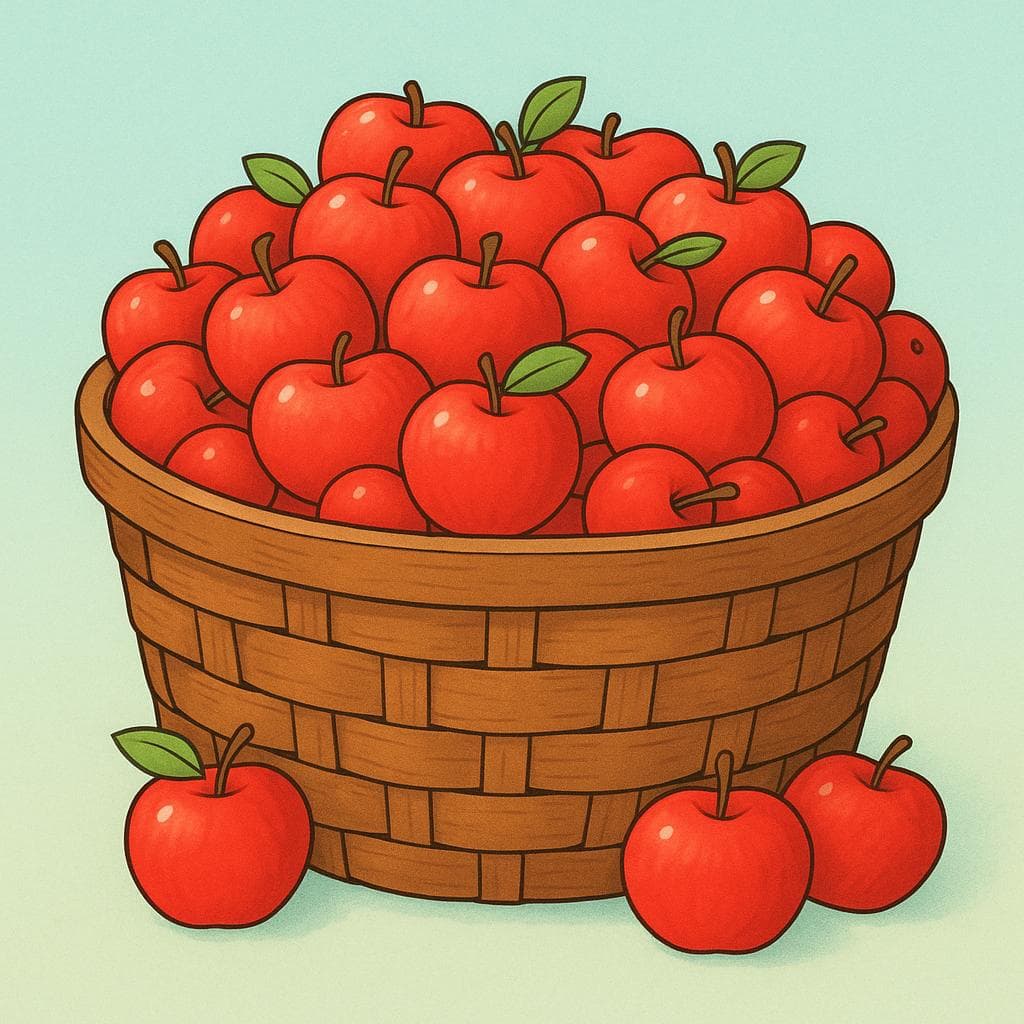

quite a few, many
Also: enough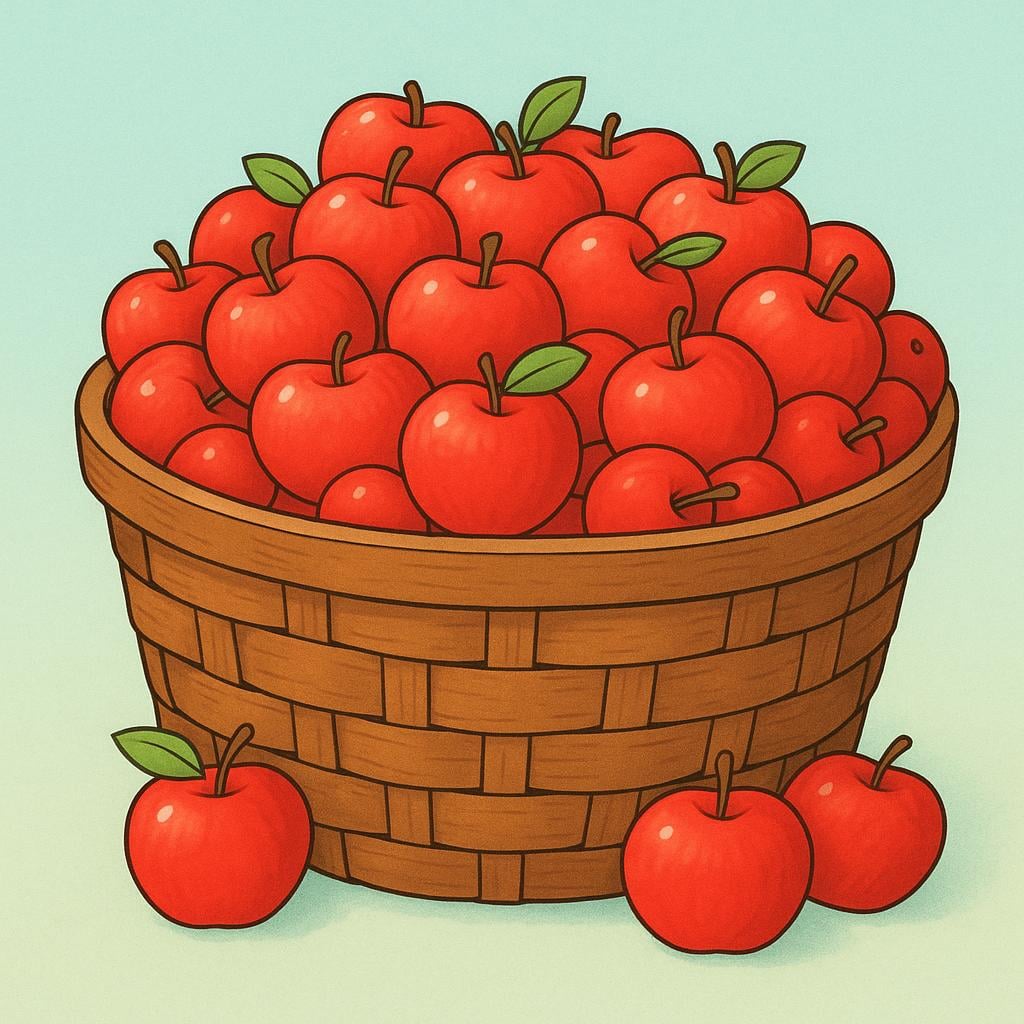
📝 In Action
Hay bastantes estudiantes en la clase de español hoy.
A2There are quite a few students in the Spanish class today.
Compré bastantes manzanas para hacer el pastel.
A2I bought enough apples to make the pie.
¿Tienes bastantes sillas para todos los invitados?
B1Do you have enough chairs for all the guests?
enough, quite a few
Also: plenty
📝 In Action
¿Necesitas más patatas? No, gracias, ya tengo bastantes.
B1Do you need more potatoes? No, thank you, I already have enough (of them).
De los tres desafíos, enfrentamos bastantes.
B2Of the three challenges, we faced quite a few (of them).
Translate to Spanish
Words that translate to "bastantes" in Spanish:
many→✏️ Quick Practice
Quick Quiz: bastantes
Question 1 of 2
Which sentence correctly uses 'bastantes'?
📚 More Resources
📚 Etymology▼
The word comes from the verb *bastar* (to be enough/to suffice), which itself comes from the Latin word *bastare*, meaning 'to bear, endure, or hold up.' Over time, the meaning shifted to 'having enough strength or capacity,' and finally, 'being sufficient.'
First recorded: 13th century
Cognates (Related words)
💡 Master Spanish
Take your Spanish to the next level. Read 200+ illustrated and narrated Spanish stories tailored to your level with the Inklingo app!
Frequently Asked Questions
What is the difference between 'bastantes' and 'muchos'?
Both mean 'many' or 'a lot,' but 'bastantes' often carries the idea of sufficiency or adequacy ('enough, and maybe a little more'), while 'muchos' simply means a high quantity. For example, 'Tengo bastantes libros' suggests you have a satisfying collection, while 'Tengo muchos libros' just states the high number.
When should I use the singular form 'bastante'?
You use the singular form 'bastante' if the noun is singular (e.g., 'bastante dinero') or if the word is describing a verb or adjective (acting as an adverb), in which case it never changes form (e.g., 'Comen bastante rápido').