brújula
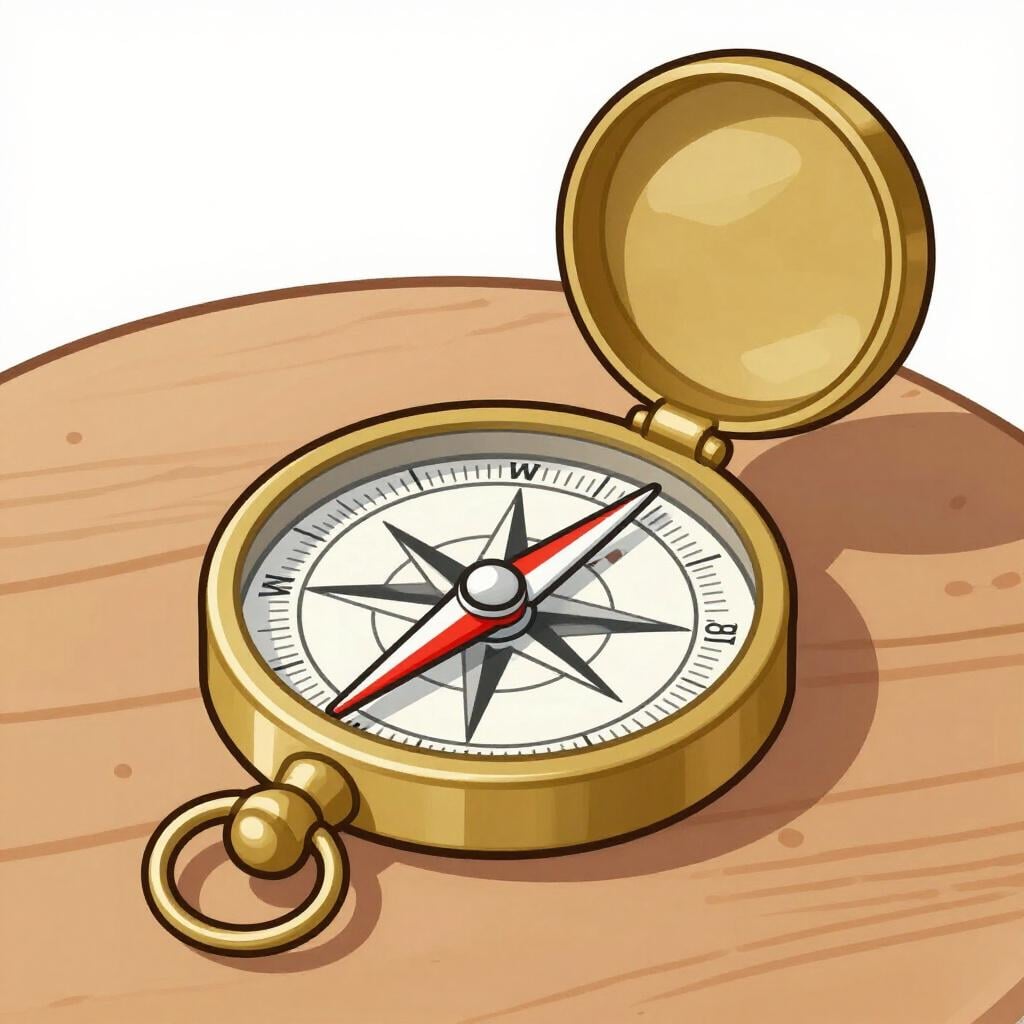
“brújula” means “compass” in Spanish. It has 2 different meanings depending on context:
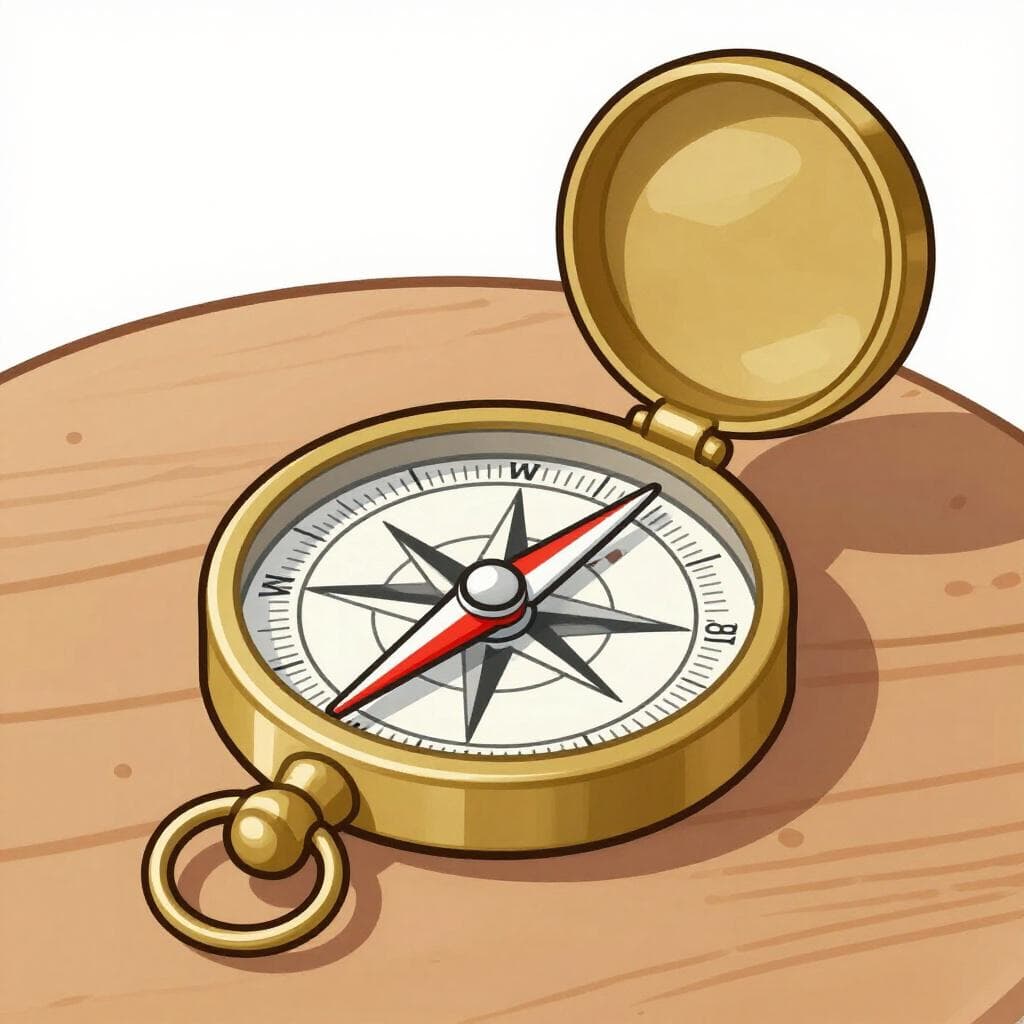
compassAlso: magnetic compass
📝 In Action
Necesitamos una brújula para caminar por la montaña.
A1We need a compass to hike through the mountain.
La aguja de la brújula siempre señala hacia el norte.
A2The compass needle always points toward the north.
Antes del GPS, los marineros dependían totalmente de la brújula.
B1Before GPS, sailors relied entirely on the compass.
Word Connections
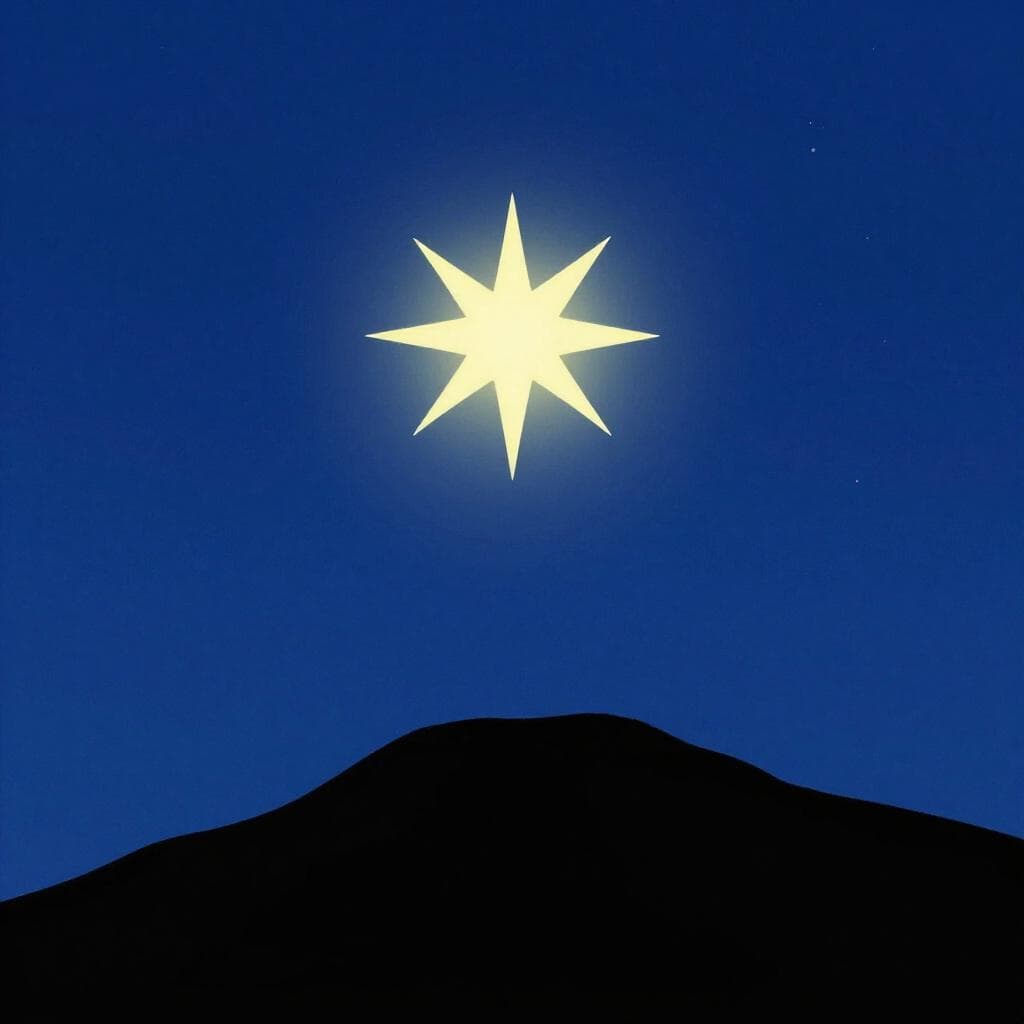
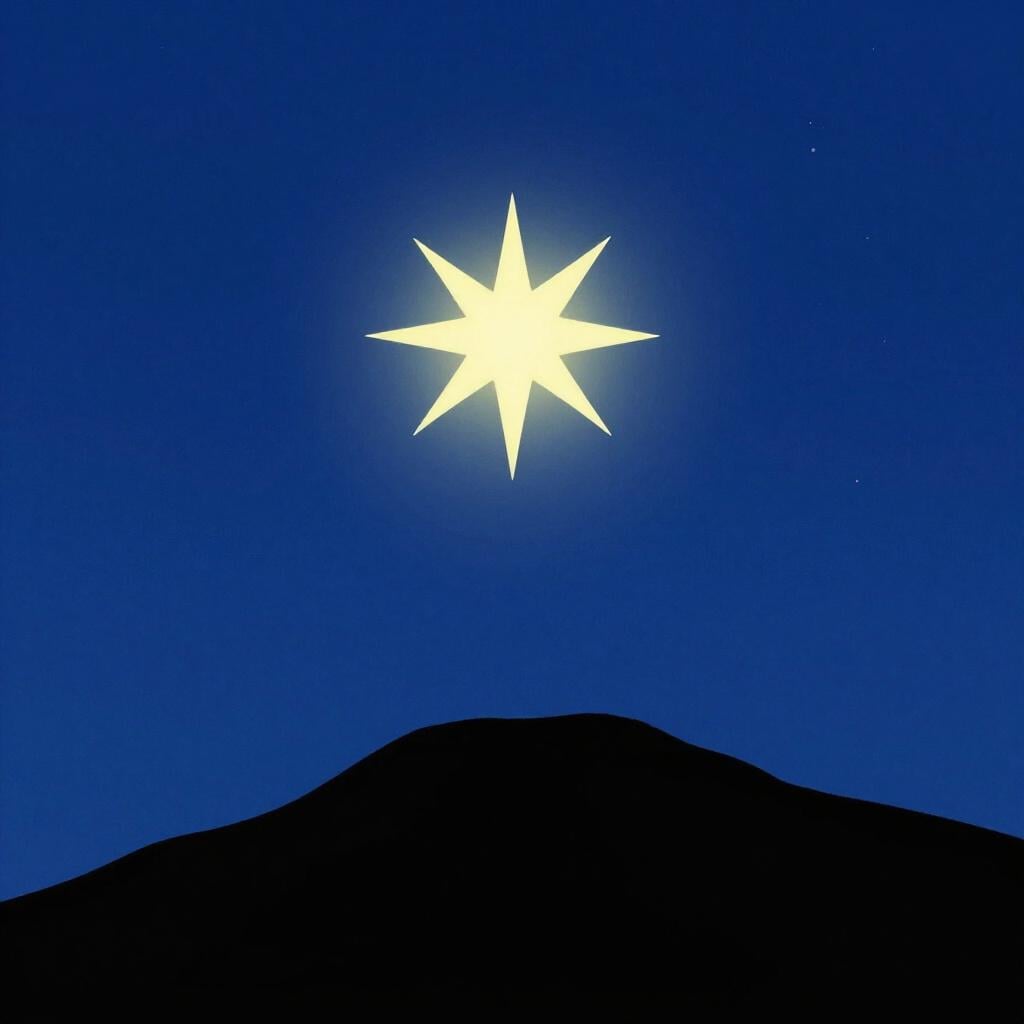
guide, moral compassAlso: sense of direction
📝 In Action
Sus valores son la brújula que guía sus decisiones.
B2His values are the compass that guides his decisions.
En momentos de crisis, mi madre es mi brújula.
B2In moments of crisis, my mother is my guide.
La empresa perdió la brújula y no sabe cómo atraer clientes.
C1The company lost its way and doesn't know how to attract customers.
Word Connections
Translate to Spanish
Words that translate to "brújula" in Spanish:
✏️ Quick Practice
Quick Quiz: brújula
Question 1 of 3
Which of these is the most likely reason to use a 'brújula'?
📚 More Resources
👥 Word Family
🎵 Rhymes
📚 Etymology
From the Italian word 'bussola', meaning 'small box' (made of boxwood), which was used to hold the magnetic needle.
First recorded: 16th century
Cognates (Related words)
💡 Master Spanish
Take your Spanish to the next level. Read 200+ illustrated and narrated Spanish stories tailored to your level with the Inklingo app!
Frequently Asked Questions
Is 'brújula' the same as 'compás'?
In everyday Spanish, no. 'Brújula' is for navigation. 'Compás' is the V-shaped tool used for drawing circles. However, in professional sailing, 'compás' is sometimes used for the ship's compass.
How do I remember the difference between 'brújula' and 'bruja'?
Think of the 'L' in brújula: the 'L' is like a needle on a compass pointing up! 'Bruja' (witch) is shorter.
Can I use 'brújula' for a GPS?
Not exactly. A GPS is usually called 'el GPS' or 'el navegador'. However, the specific screen within the GPS that shows the cardinal points is the 'brújula'.