bufón
“bufón” means “buffoon” in Spanish. It has 2 different meanings depending on context:

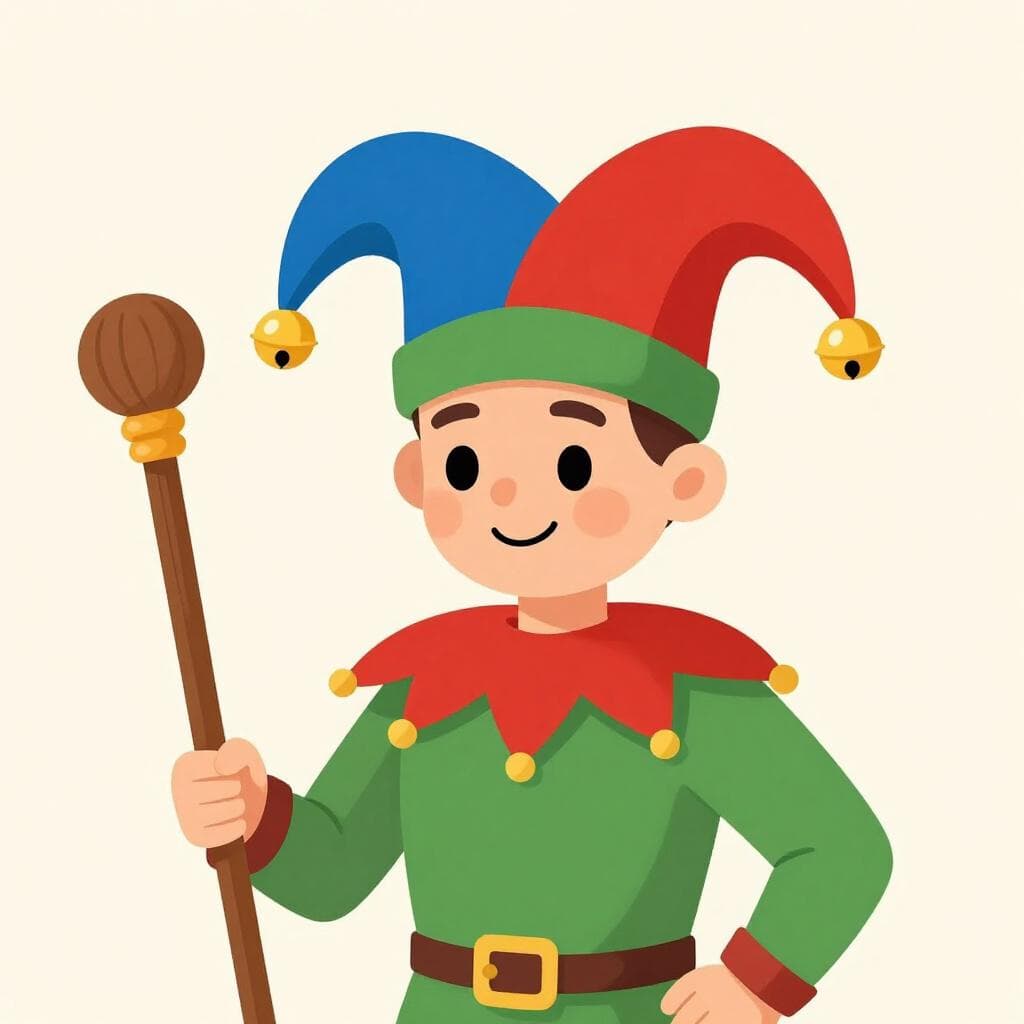
buffoon
Also: fool, class clown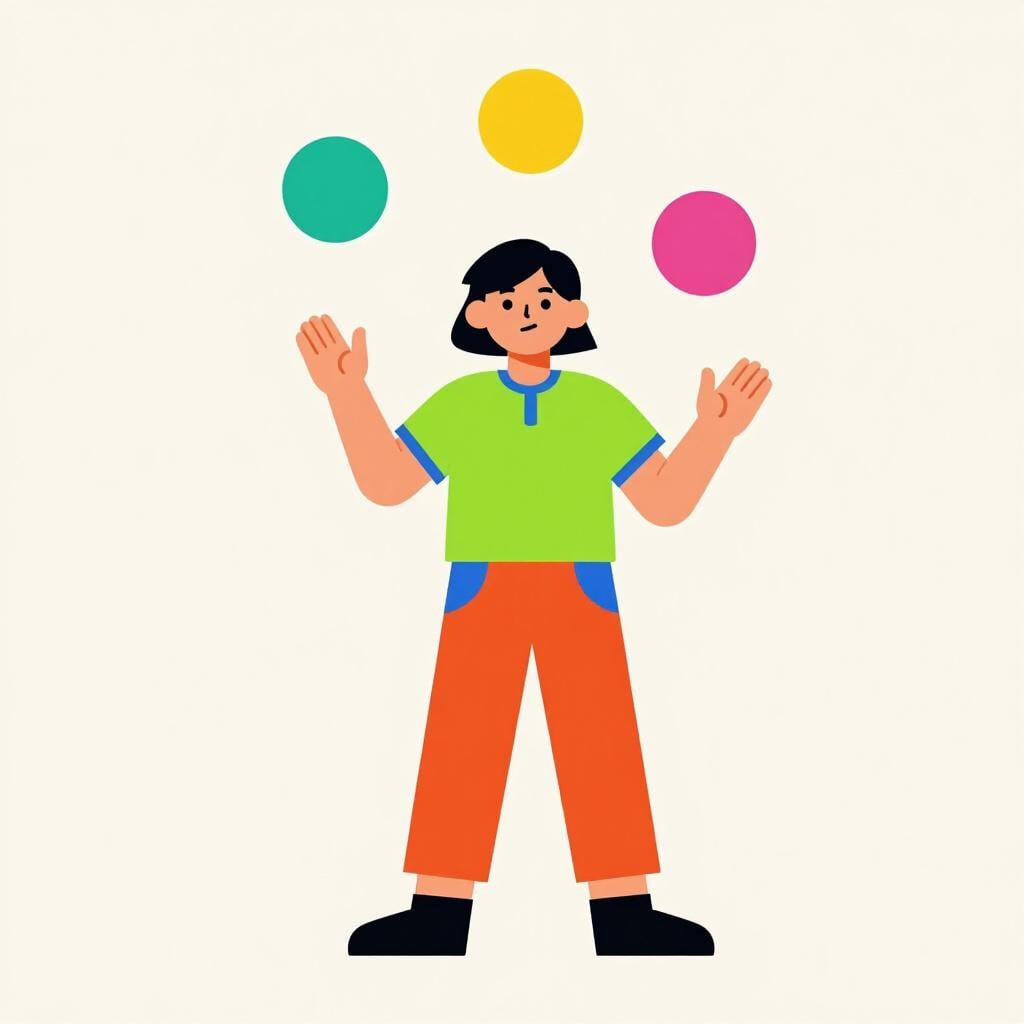
📝 In Action
Deja de actuar como un bufón y ponte a trabajar.
B1Stop acting like a buffoon and get to work.
Siempre fue el bufón de la clase.
B1He was always the class clown.
No quiero quedar como un bufón delante de todos.
B2I don't want to look like a fool in front of everyone.
jester
Also: court fool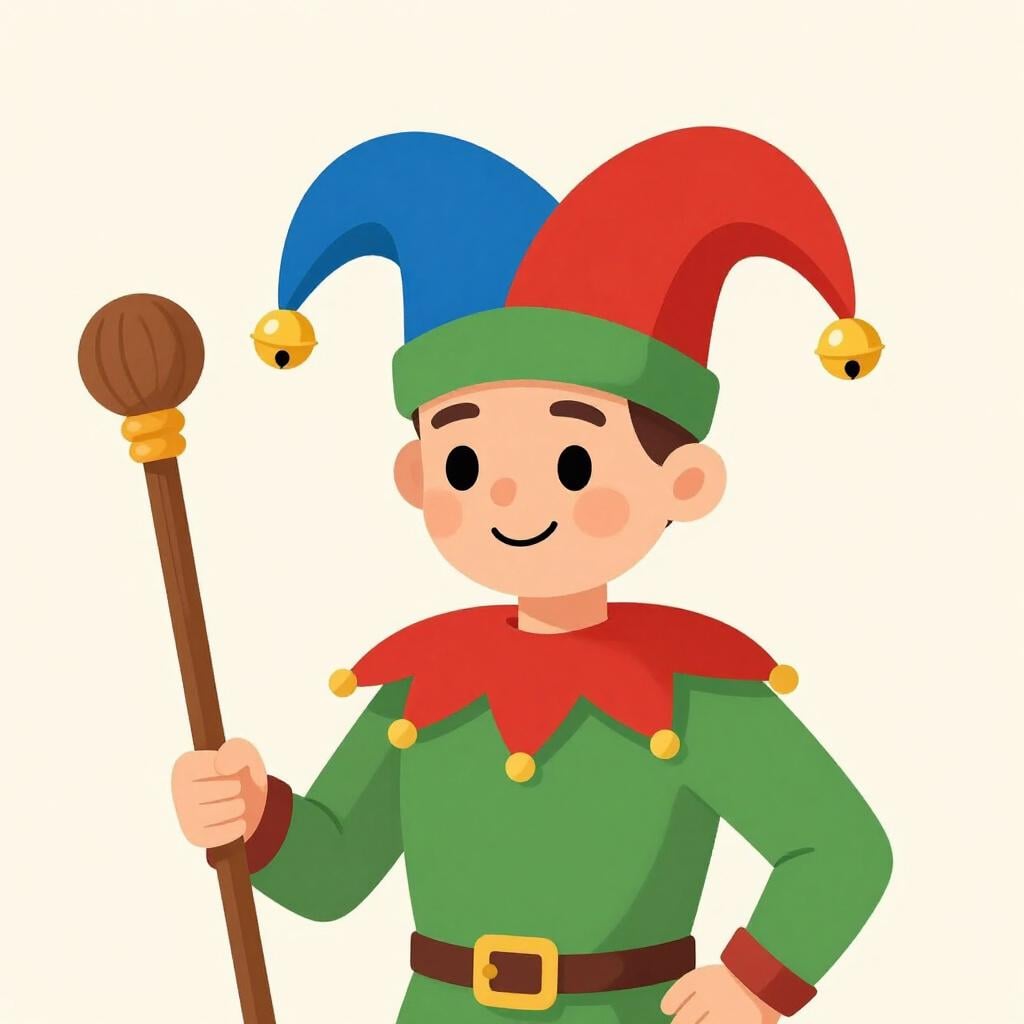
📝 In Action
El bufón de la corte era el único que podía criticar al rey.
B2The court jester was the only one who could criticize the king.
Velázquez pintó retratos famosos de los bufones de palacio.
C1Velázquez painted famous portraits of the palace jesters.
Los bufones usaban cascabeles en sus sombreros.
B2Jesters used to wear bells on their hats.
Translate to Spanish
✏️ Quick Practice
Quick Quiz: bufón
Question 1 of 3
Which of these people would most likely be called a 'bufón' in a modern setting?
📚 More Resources
👥 Word Family▼
🎵 Rhymes▼
📚 Etymology▼
From the Italian word 'buffone', which comes from 'buffare' (to puff out one's cheeks), describing the funny faces entertainers would make.
First recorded: 16th century
Cognates (Related words)
💡 Master Spanish
Take your Spanish to the next level. Read 200+ illustrated and narrated Spanish stories tailored to your level with the Inklingo app!
Frequently Asked Questions
Is 'bufón' a bad word?
It's not a 'swear word,' but it can be an insult. It implies the person is being ridiculous or shouldn't be taken seriously.
Can I use 'bufón' for a woman?
Yes, but you should change the ending to 'bufona' and use 'la' instead of 'el'.
What is the difference between 'payaso' and 'bufón'?
'Payaso' is a circus clown or a very childish person. 'Bufón' sounds a bit more like someone trying to be the 'center of attention' or a historical jester.