Inklingo

caerá

/kah-eh-RAH/

will fall

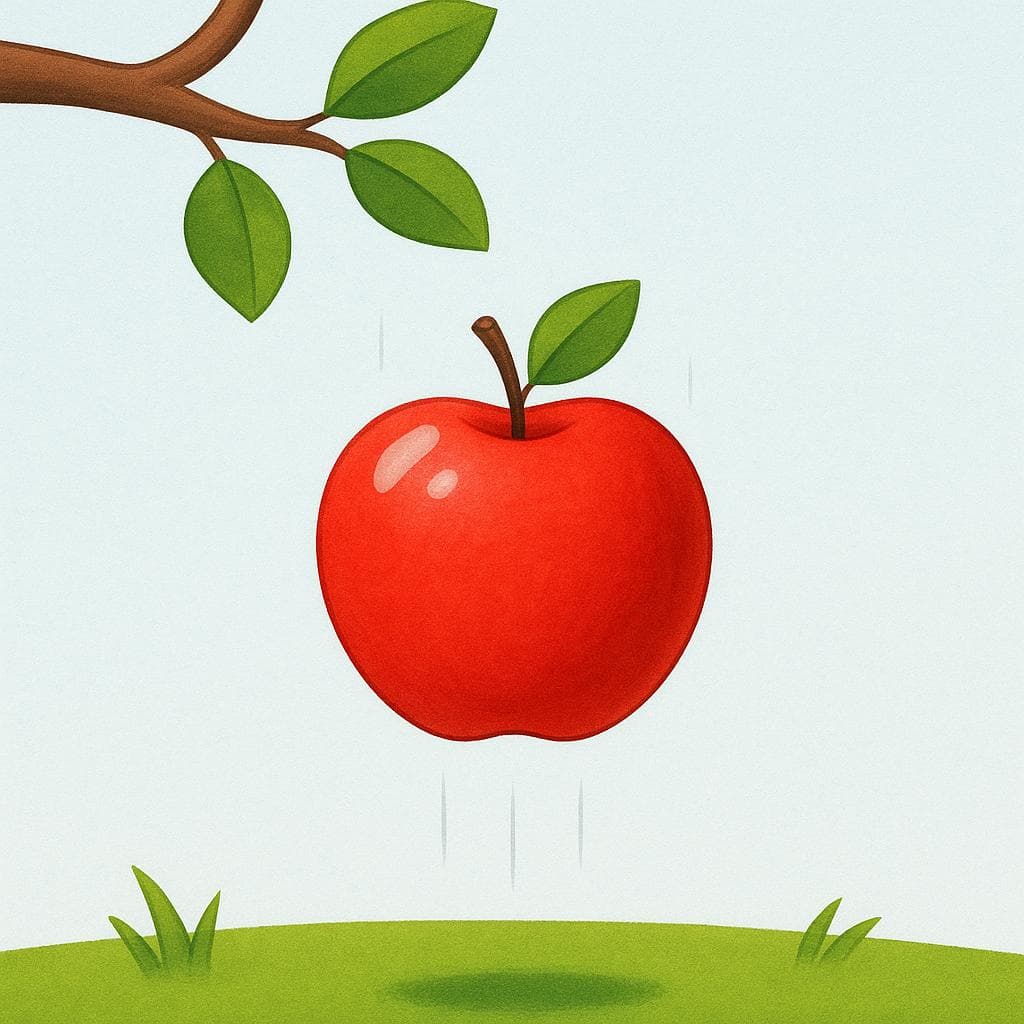
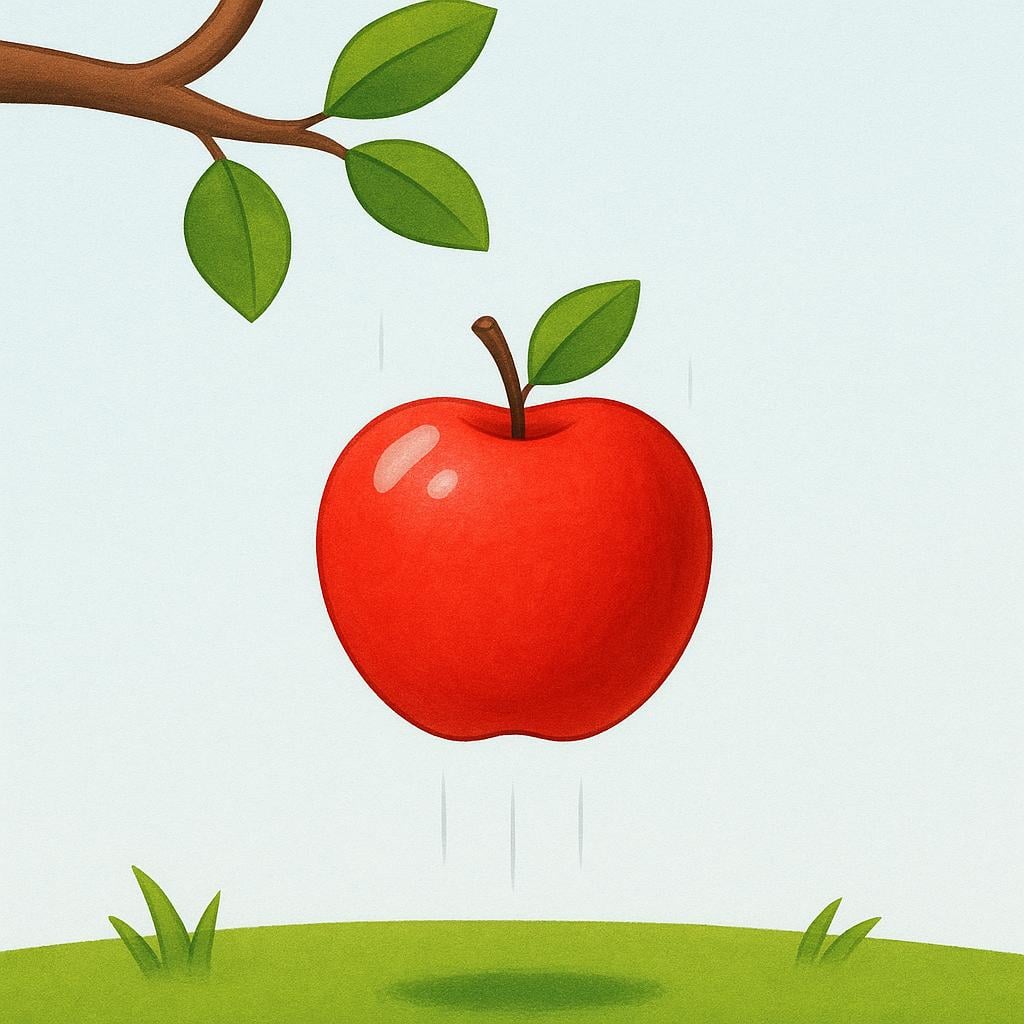
A red apple is falling from a tree branch toward the grass below.

Caerá (will fall) refers to physical descent, like an apple falling from a tree.

caerá(verb)

A2irregular (in present tense only); regular in future tense er

will fall

?

physical descent

,

will drop

?

physical descent

Also:

will collapse

?

structure/building

📝 In Action

Si no sujetas bien la caja, caerá al suelo.

A2

If you don't hold the box well, it will fall to the floor.

El árbol viejo caerá con el próximo viento fuerte.

B1

The old tree will fall with the next strong wind.

La lluvia caerá tarde o temprano.

B1

The rain will fall sooner or later.

Word Connections

Synonyms

  • descender (to descend)
  • desplomarse (to collapse)

Antonyms

Common Collocations

  • caer enfermoto fall ill (become sick)
  • caer en la trampato fall into the trap

💡 Grammar Points

Future Tense Formation

The future tense in Spanish is easy! You just add the endings (-é, -ás, -á, etc.) directly to the infinitive form of the verb, even for 'caer'.

The Irregular 'Yo' Form

Remember that the first person singular (yo) of the present tense is irregular: 'yo caigo' (I fall). This 'g' sound carries over to all the special forms (subjunctive).

❌ Common Pitfalls

Confusing 'Caer' and 'Dejar Caer'

Mistake: "Using 'caer' when you mean 'to drop' something intentionally: 'Yo caí el vaso.'"

Correction: Use 'dejar caer' (to let fall) for intentional dropping: 'Yo dejé caer el vaso.' 'Caer' means it falls on its own.

⭐ Usage Tips

Using the 'A' Personal

When 'caerá' is used to mean 'to fall in love with someone' (caerle bien/mal a alguien), you must use the 'a' personal before the person who is doing the falling.

A brightly lit outdoor stage is completely set up with colorful flags and a closed curtain, waiting for an event to begin.

Caerá (will happen) can also refer to an event or date that is scheduled for the future, like a performance that is about to start.

caerá(verb)

B1irregular (in present tense only); regular in future tense er

will happen

?

event/date

,

will take place

?

event/date

Also:

will be due

?

deadline/payment

📝 In Action

Este año, mi cumpleaños caerá en domingo.

B1

This year, my birthday will fall on a Sunday.

La fecha límite para el pago caerá la próxima semana.

B2

The deadline for the payment will be next week.

La celebración caerá justo después de los exámenes finales.

B2

The celebration will happen right after the final exams.

Word Connections

Synonyms

Common Collocations

  • caer en desusoto fall into disuse
  • caer la nochenight will fall

💡 Grammar Points

Talking About Dates

When talking about when a day or event happens on the calendar, Spanish uses 'caer' where English uses 'fall' or 'land': 'La fiesta caerá en viernes' (The party will be on Friday).

❌ Common Pitfalls

Literal Translation for Dates

Mistake: "Using 'ser' or 'estar' for calendar dates: 'Mi cumpleaños será en lunes.'"

Correction: Use 'caer' to express where a date lands: 'Mi cumpleaños caerá en lunes.'

⭐ Usage Tips

Predicting Consequences

You can use 'caerá' to predict a consequence or punishment: 'La culpa caerá sobre él' (The blame will fall on him).

🔄 Conjugations

indicative

present

vosotroscaéis
él/ella/ustedcae
caes
yocaigo
nosotroscaemos
ellos/ellas/ustedescaen

preterite

vosotroscaísteis
él/ella/ustedcayó
caíste
yocaí
nosotroscaímos
ellos/ellas/ustedescayeron

imperfect

vosotroscaíais
él/ella/ustedcaía
caías
yocaía
nosotroscaíamos
ellos/ellas/ustedescaían

subjunctive

present

vosotroscaigáis
él/ella/ustedcaiga
caigas
yocaiga
nosotroscaigamos
ellos/ellas/ustedescaigan

imperfect

vosotroscayerais
él/ella/ustedcayera
cayeras
yocayera
nosotroscayéramos
ellos/ellas/ustedescayeran

✏️ Quick Practice

💡 Quick Quiz: caerá

Question 1 of 2

Which of these sentences correctly uses 'caerá' to talk about a date?

📚 More Resources

Word Family

Frequently Asked Questions

Why is 'caer' irregular only sometimes?

The verb 'caer' is mostly regular, but it has a very specific irregularity in the 'yo' form of the present tense ('caigo'). This 'g' sound is a relic of its Latin past and helps avoid awkward vowel combinations. Luckily, the future tense ('caerá') follows the easy regular pattern.

What is the difference between 'caerá' and 'se caerá'?

'Caerá' (third person singular) means 'it/he/she will fall'—often describing a general fall or an event. 'Se caerá' is the reflexive form, meaning 'he/she/it will fall down' or 'will tumble over,' emphasizing the action on the subject itself, like a person falling down.