cambié
“cambié” means “I changed” in Spanish. It has 3 different meanings depending on context:
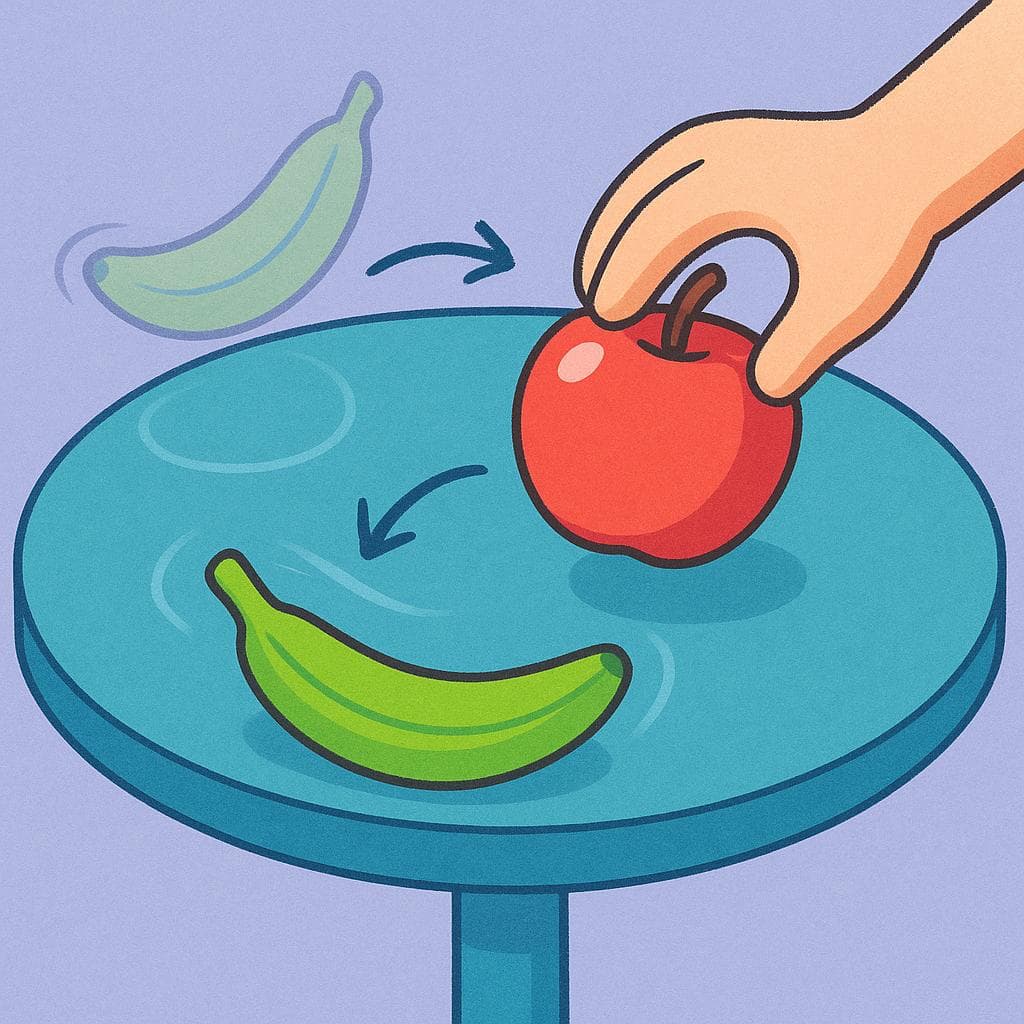
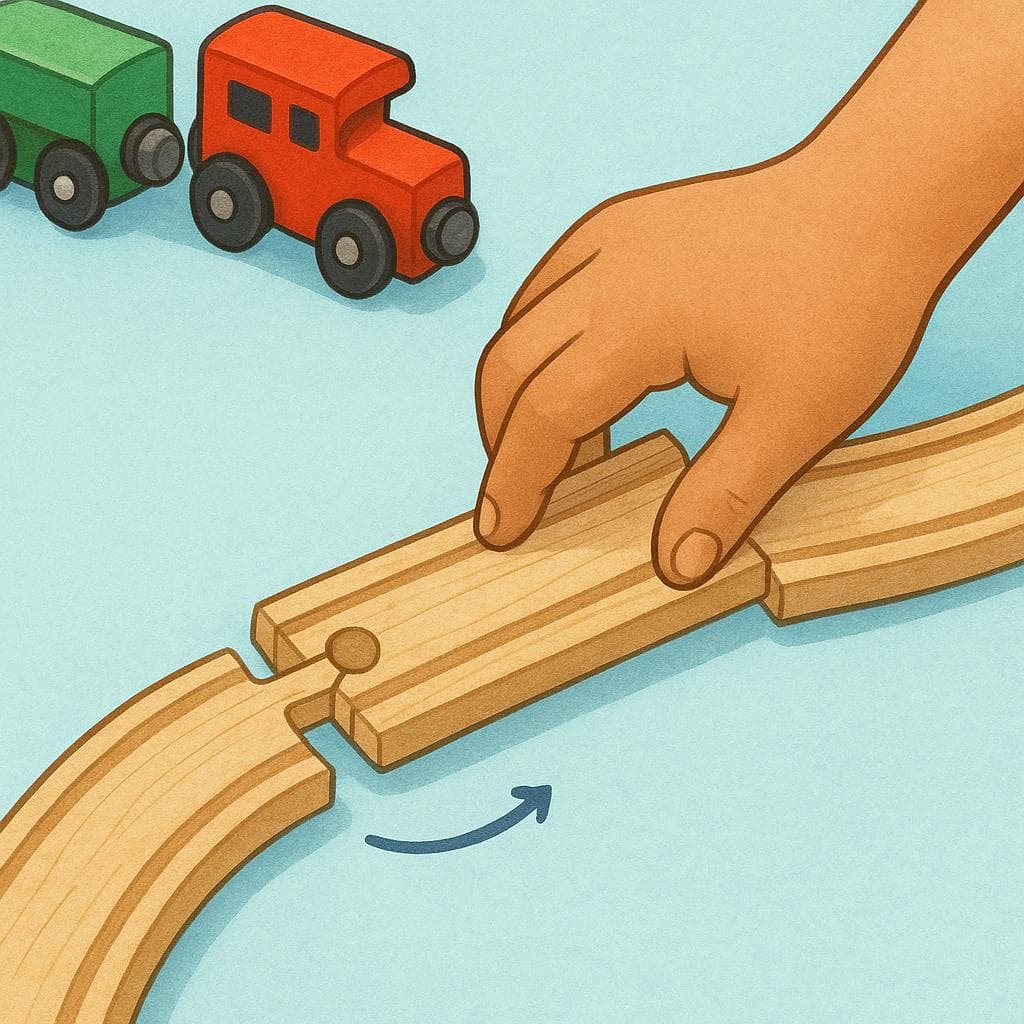

I changed
Also: I exchanged, I swapped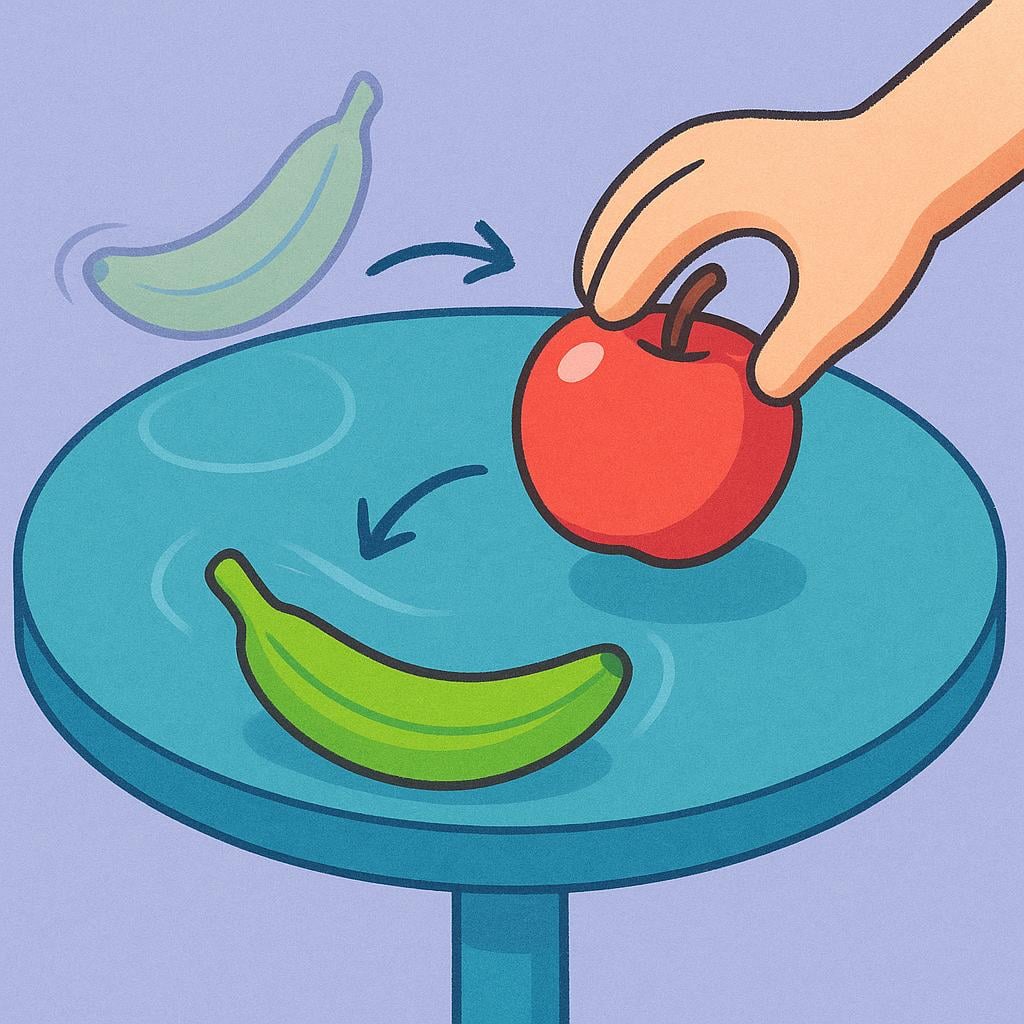
📝 In Action
Cambié mi camisa vieja por una nueva.
A1I exchanged my old shirt for a new one.
Cambié de sitio para ver mejor la película.
A2I changed places (seats) to see the movie better.
I modified
Also: I transformed, I reformed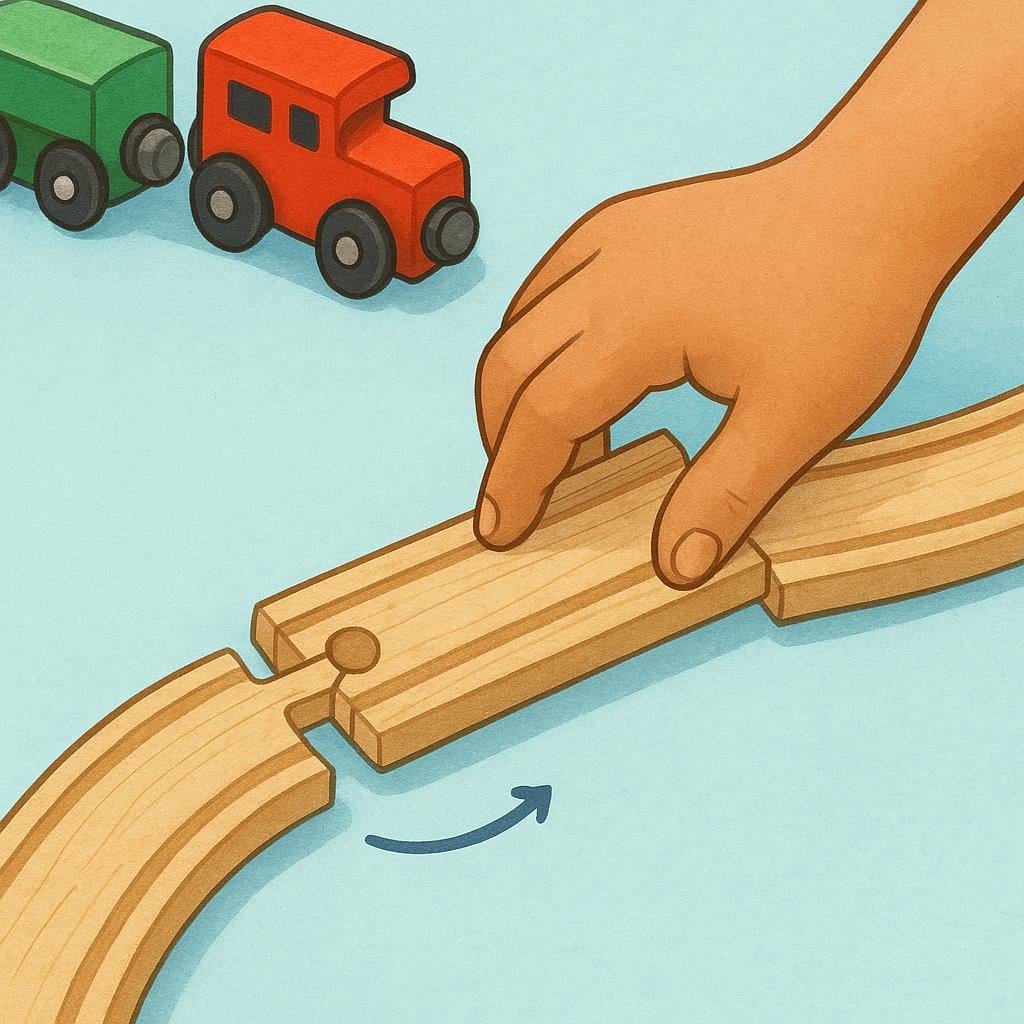
📝 In Action
Después del viaje, cambié mi forma de pensar.
B1After the trip, I changed my way of thinking.
Cambié la ruta para evitar el tráfico.
B1I modified the route to avoid traffic.
I exchanged (money)
Also: I broke (a bill)
📝 In Action
Llegué al aeropuerto y cambié dólares por euros.
A2I arrived at the airport and exchanged dollars for euros.
Cambié un billete de cien en la tienda.
A2I broke a hundred-bill (got change for it) at the store.
🔄 Conjugations
indicative
present
imperfect
preterite
subjunctive
present
imperfect
Translate to Spanish
✏️ Quick Practice
Quick Quiz: cambié
Question 1 of 1
Which sentence correctly uses 'cambié' (I changed) for a completed action in the past?
📚 More Resources
👥 Word Family▼
🎵 Rhymes▼
📚 Etymology▼
'Cambié' comes from the verb 'cambiar,' which traces its roots back to Late Latin *cambiare*, meaning 'to exchange' or 'to barter.' This idea of swapping one thing for another has been central to the word for centuries.
First recorded: Vulgar Latin (pre-Spanish formation)
Cognates (Related words)
💡 Master Spanish
Take your Spanish to the next level. Read 200+ illustrated and narrated Spanish stories tailored to your level with the Inklingo app!
Frequently Asked Questions
What is the difference between 'cambié' and 'cambie'?
'Cambié' (with the accent) means 'I changed' in the simple past (Preterite). 'Cambie' (without the accent) means 'he/she/it changes' or 'you (formal) change' in the present tense, or is the special verb form (Subjunctive) used for wishes, commands, or uncertainty, as in 'Espero que cambie' (I hope that he changes).
How do I say 'I changed myself' or 'I changed clothes'?
When the action affects you, you must use the reflexive form 'cambiarse.' The conjugation would be 'Me cambié.' For example, 'Me cambié de ropa' (I changed my clothes).