castigo
“castigo” means “punishment” in Spanish. It has 2 different meanings depending on context:

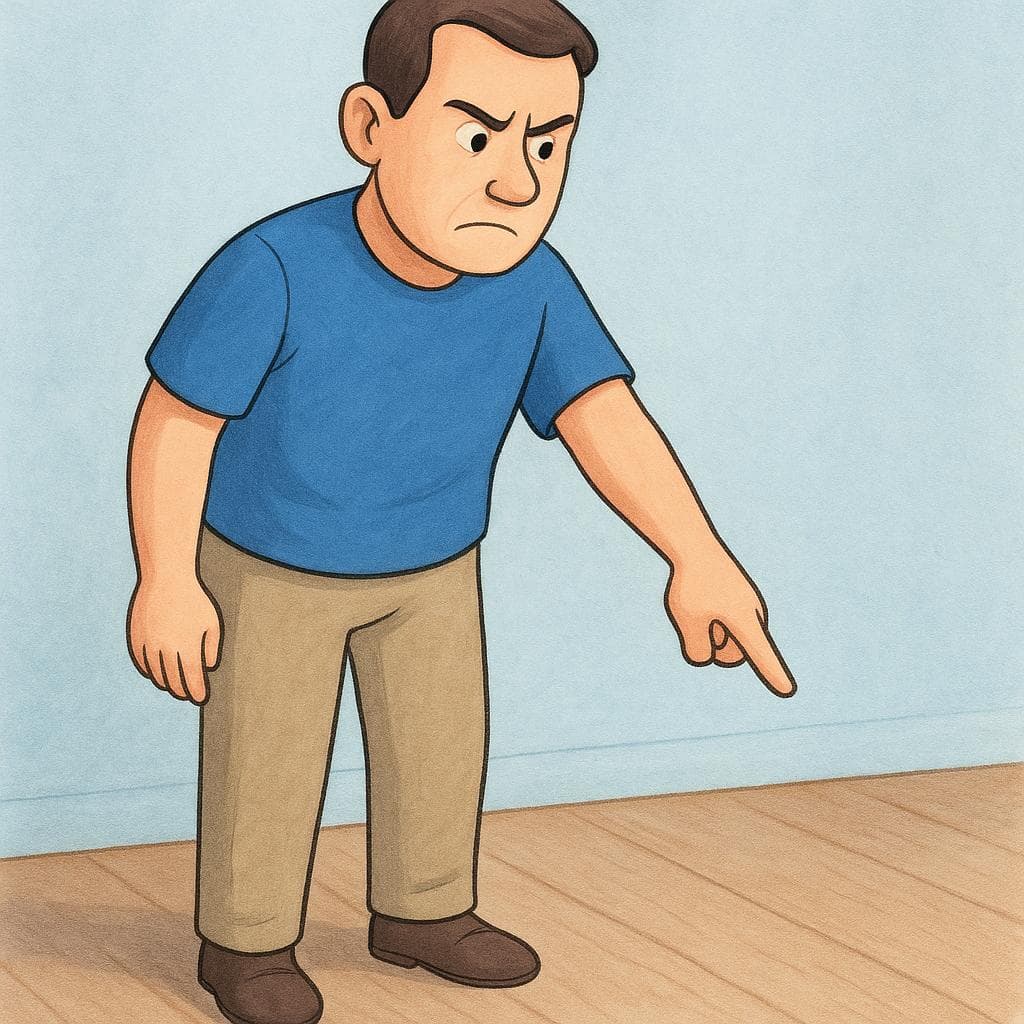
punishmentAlso: penalty, chastisement

📝 In Action
El castigo por llegar tarde fue barrer el patio.
A2The punishment for being late was sweeping the yard.
La ley establece un castigo severo para ese crimen.
B1The law establishes a severe penalty for that crime.
No creo que el castigo deba ser físico.
B2I don't believe the punishment should be physical.
Word Connections
I punishAlso: I chastise

📝 In Action
Yo castigo el mal comportamiento de mis hijos.
A1I punish the bad behavior of my children.
Si miento, sé que castigo mi conciencia.
B2If I lie, I know I punish my conscience (I feel guilty).
Word Connections
Indicative
Present
Imperfect
Preterite
Subjunctive
Present Subjunctive
Imperfect Subjunctive
Translate to Spanish
Words that translate to "castigo" in Spanish:
✏️ Quick Practice
Quick Quiz: castigo
Question 1 of 2
Which sentence uses 'castigo' as a noun (a thing) rather than a verb (an action)?
📚 More Resources
👥 Word Family
📚 Etymology
Comes from the Latin verb *castigare*, meaning 'to correct,' 'to set right,' or 'to chastise.' It shares roots with the idea of making something 'chaste' or 'pure' by correcting faults.
First recorded: 13th century
Cognates (Related words)
💡 Master Spanish
Take your Spanish to the next level. Read 200+ illustrated and narrated Spanish stories tailored to your level with the Inklingo app!
Frequently Asked Questions
What is the difference between 'castigo' (noun) and 'castigar' (verb)?
'Castigo' is the concrete result or consequence (the punishment). 'Castigar' is the action of giving that consequence (to punish). Remember that 'castigo' is also the 'I' form of the verb: 'Yo castigo' (I punish).
Is 'castigo' only used for children?
No. While it's often used in family contexts, 'castigo' is widely used for penalties in sports, legal sentences, or consequences for any rule-breaking behavior in formal or informal settings.