celta
“celta” means “Celtic” in Spanish. It has 3 different meanings depending on context:
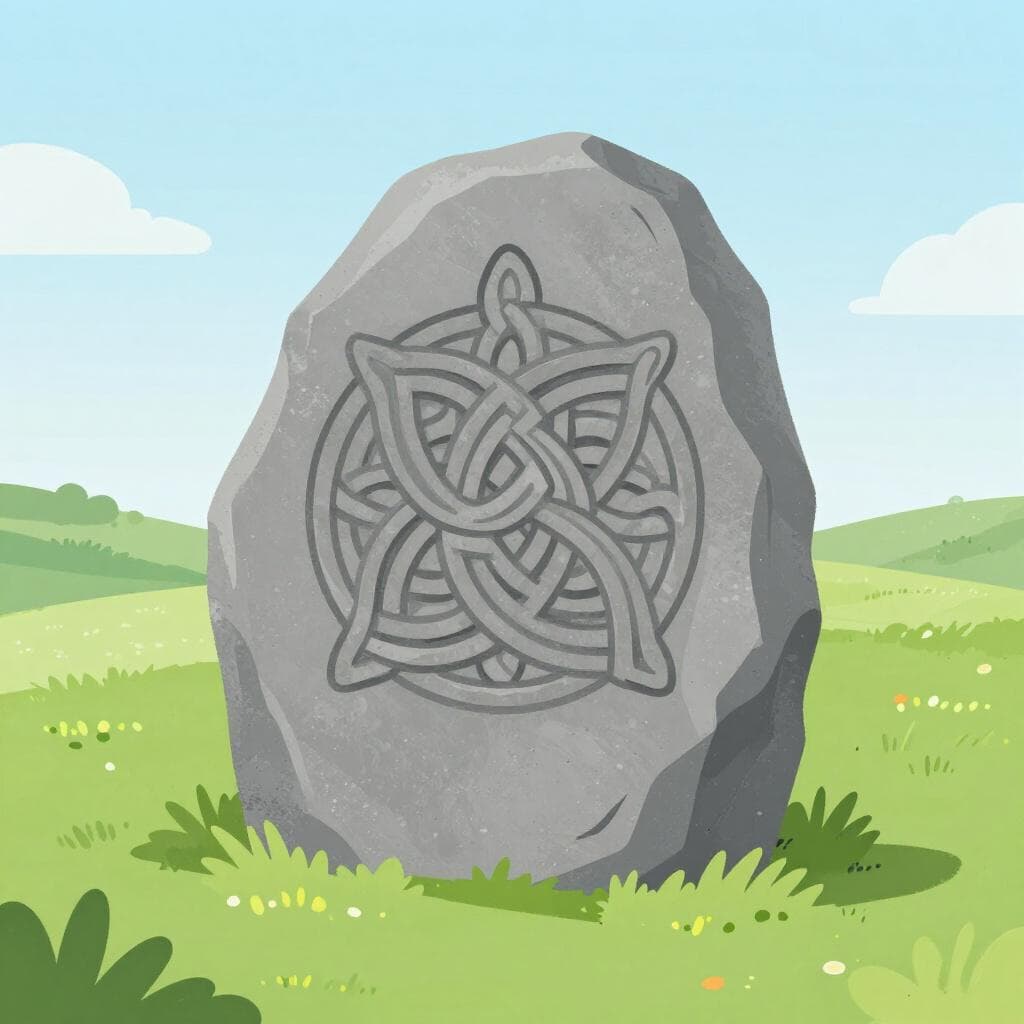

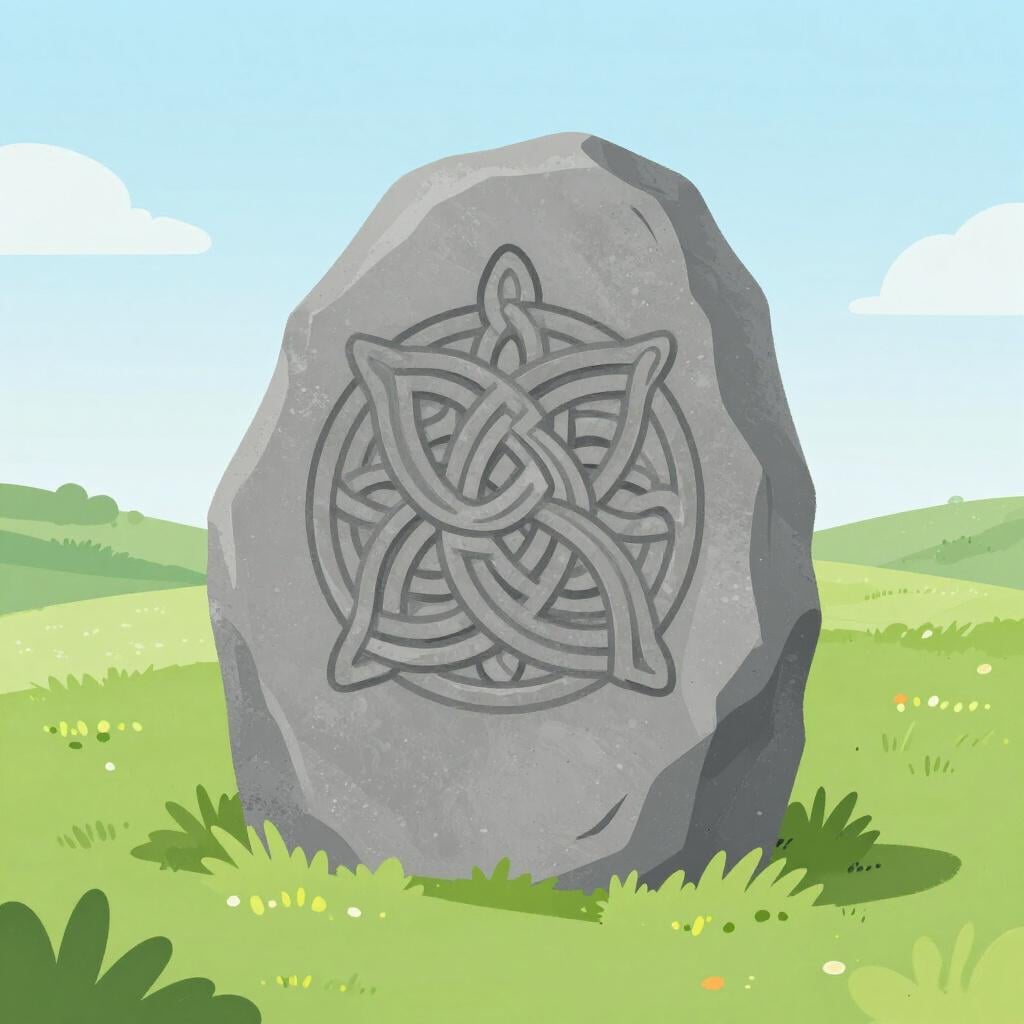
Celtic
📝 In Action
Me encanta escuchar música celta para relajarme.
A2I love listening to Celtic music to relax.
Galicia tiene una herencia celta muy fuerte.
B1Galicia has a very strong Celtic heritage.
En el norte de España se pueden visitar antiguos castros celtas.
B2In northern Spain, you can visit ancient Celtic hillforts.
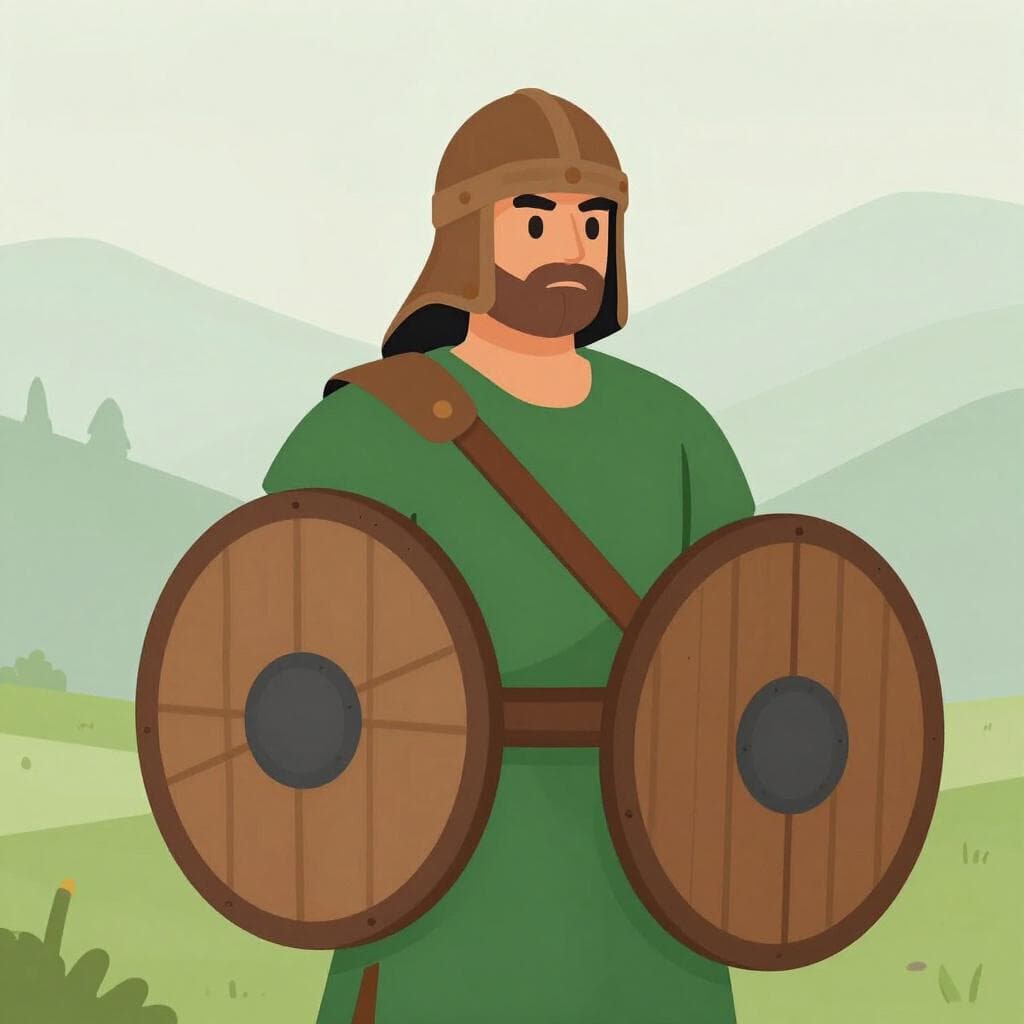
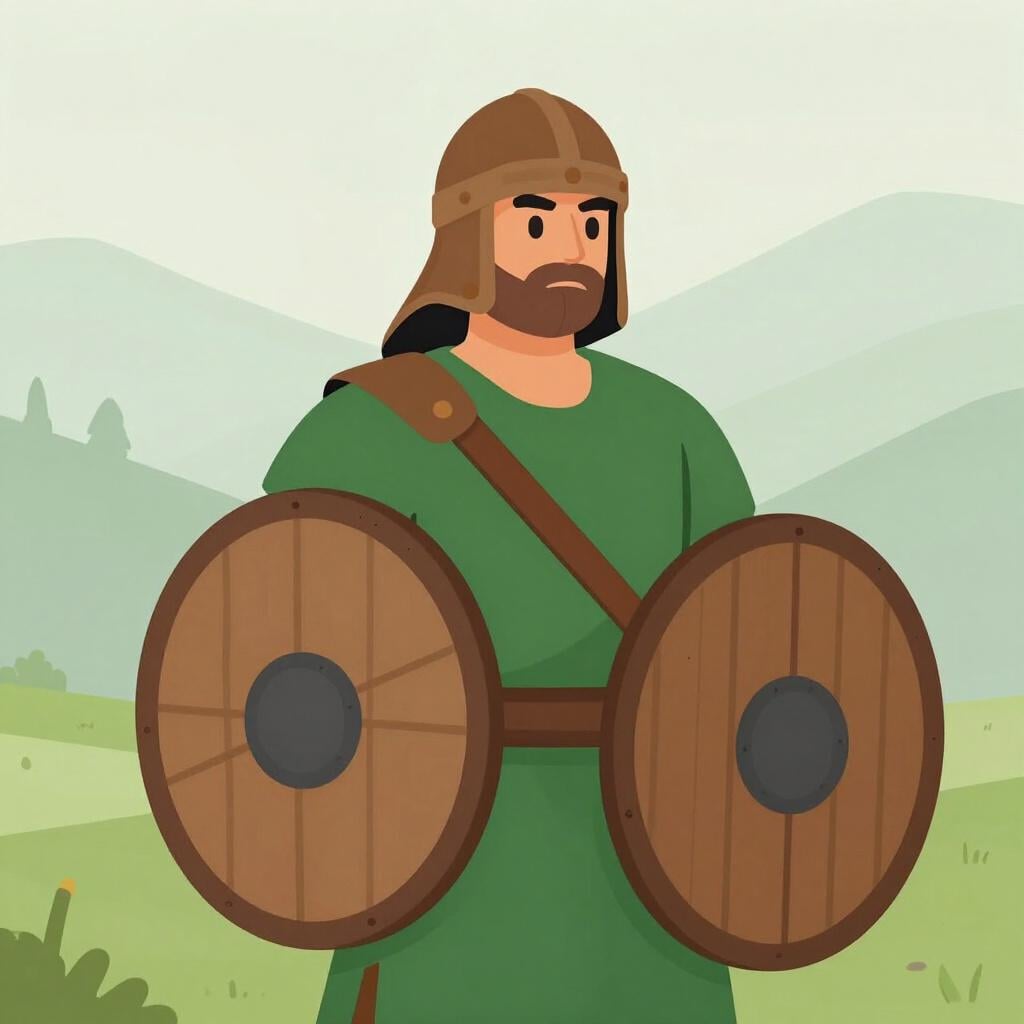
Celt
📝 In Action
Los celtas habitaron gran parte de Europa.
B1The Celts inhabited a large part of Europe.
Ella es una experta en la historia de los celtas.
B2She is an expert on the history of the Celts.
Celtic

📝 In Action
El celta es una familia de lenguas que incluye el gaélico.
C1Celtic is a family of languages that includes Gaelic.
✏️ Quick Practice
Quick Quiz: celta
Question 1 of 3
Which of these is the correct way to say 'The Celtic tradition'?
📚 More Resources
👥 Word Family▼
📚 Etymology▼
Derived from the Greek word 'Keltoi,' which was used by ancient Greeks to describe the tribal peoples living in central and western Europe.
First recorded: 16th century (modern Spanish usage)
Cognates (Related words)
💡 Master Spanish
Take your Spanish to the next level. Read 200+ illustrated and narrated Spanish stories tailored to your level with the Inklingo app!
Frequently Asked Questions
Does 'celta' change to 'celto' for masculine nouns?
No. Unlike many Spanish adjectives, 'celta' ends in 'a' for both masculine and feminine nouns. For example: 'un guerrero celta' and 'una guerrera celta'.
How do I pronounce the 'c' in 'celta'?
In Spain, it is pronounced like the 'th' in 'think'. In Latin America, it is pronounced like an 's' (as in 'snake').
Is 'celta' only used for people from Ireland?
Not at all. While often associated with Ireland and Scotland, in Spanish it very commonly refers to the ancient tribes of the Iberian Peninsula and the modern cultural identity of Galicia and Asturias.