chau
“chau” means “bye” in Spanish. It has 2 different meanings depending on context:

bye, goodbye
Also: see ya
📝 In Action
Bueno, me voy. ¡Chau!
A1Well, I'm leaving. Bye!
Chau, mamá, nos vemos más tarde.
A1Bye, mom, see you later.
Le dije chau y colgué el teléfono.
A2I said bye to him and hung up the phone.
gone, that's it
Also: game over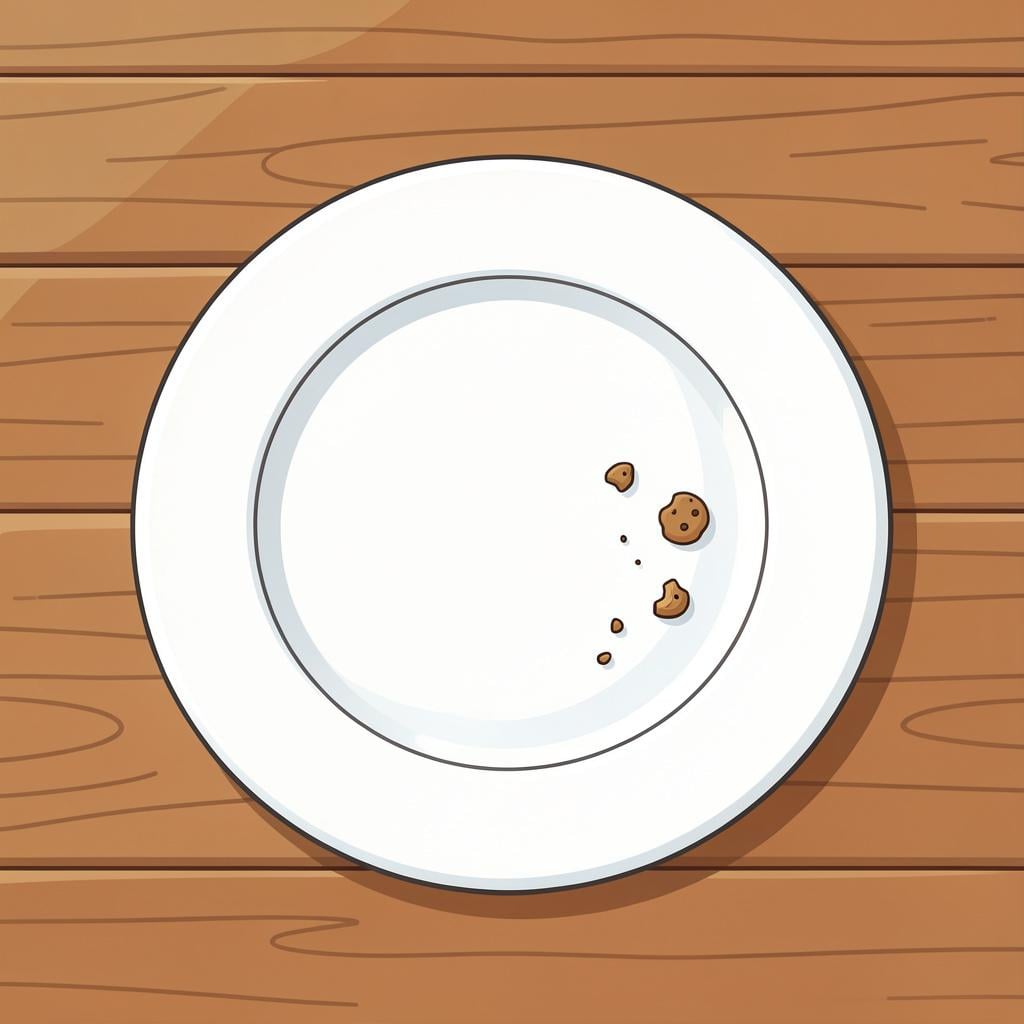
📝 In Action
Si no llegamos a tiempo, chau vacaciones.
B1If we don't arrive on time, goodbye vacations (meaning the vacations are ruined/gone).
Se rompió el motor y chau auto.
B2The engine broke and that's it for the car.
Translate to Spanish
✏️ Quick Practice
Quick Quiz: chau
Question 1 of 2
Can you use 'chau' to greet someone when you first see them?
📚 More Resources
🎵 Rhymes▼
📚 Etymology▼
Borrowed from the Italian word 'ciao'. Originally, the Italian word comes from a phrase in the Venetian dialect 's’ciavo vostro', which literally means 'I am your slave'—a very humble way to say 'at your service.' Over time, it shortened and became a friendly way to say goodbye in Spanish.
First recorded: Early 20th century
Cognates (Related words)
💡 Master Spanish
Take your Spanish to the next level. Read 200+ illustrated and narrated Spanish stories tailored to your level with the Inklingo app!
Frequently Asked Questions
How do you spell it, 'chau' or 'chao'?
Both are correct! 'Chau' is the most common spelling in Argentina, Uruguay, and Peru, while 'chao' is more frequent in Spain, Chile, Colombia, and Mexico.
Is 'chau' rude?
Not at all, but it is informal. Use it with friends, family, and coworkers. In a very formal setting (like an interview), 'adiós' or 'que tenga un buen día' might be safer.