cobardes
“cobardes” means “cowardly” in Spanish. It has 2 different meanings depending on context:

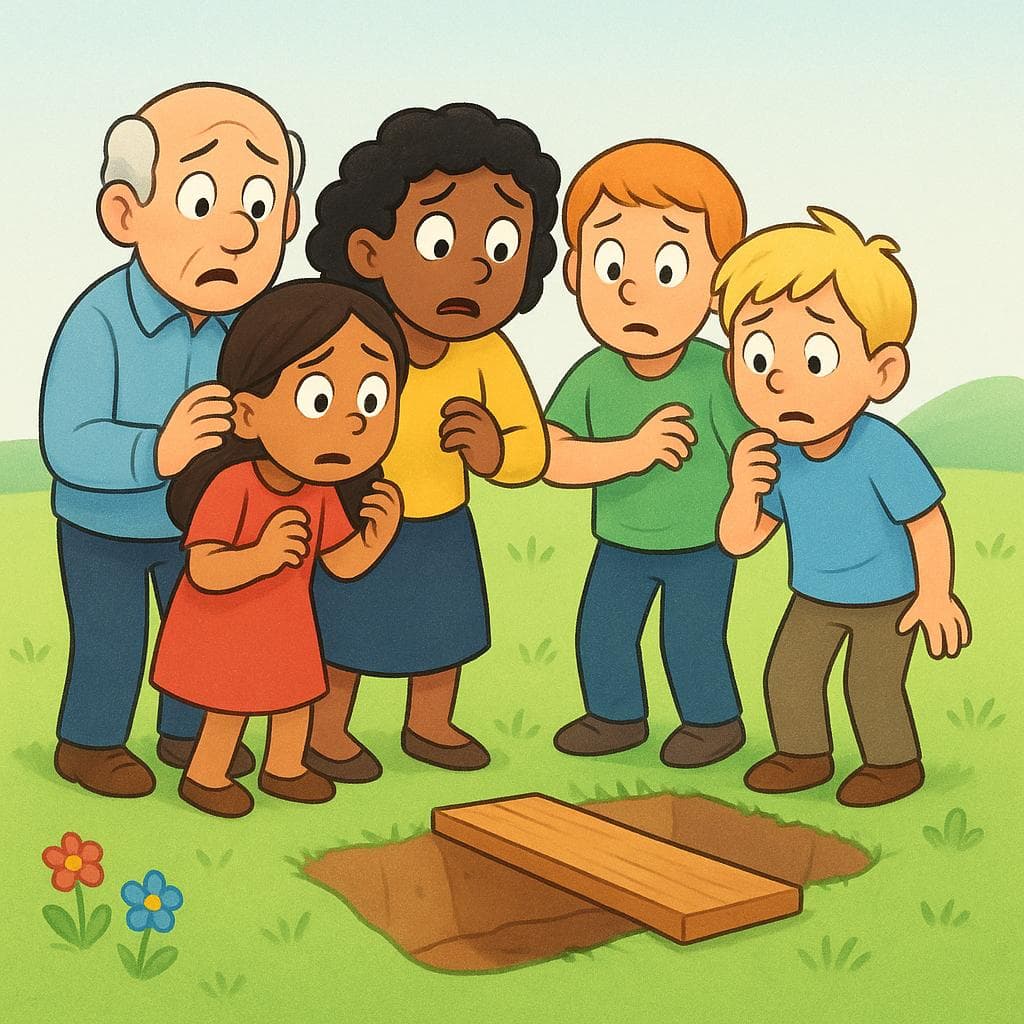
cowardly
Also: spineless, faint-hearted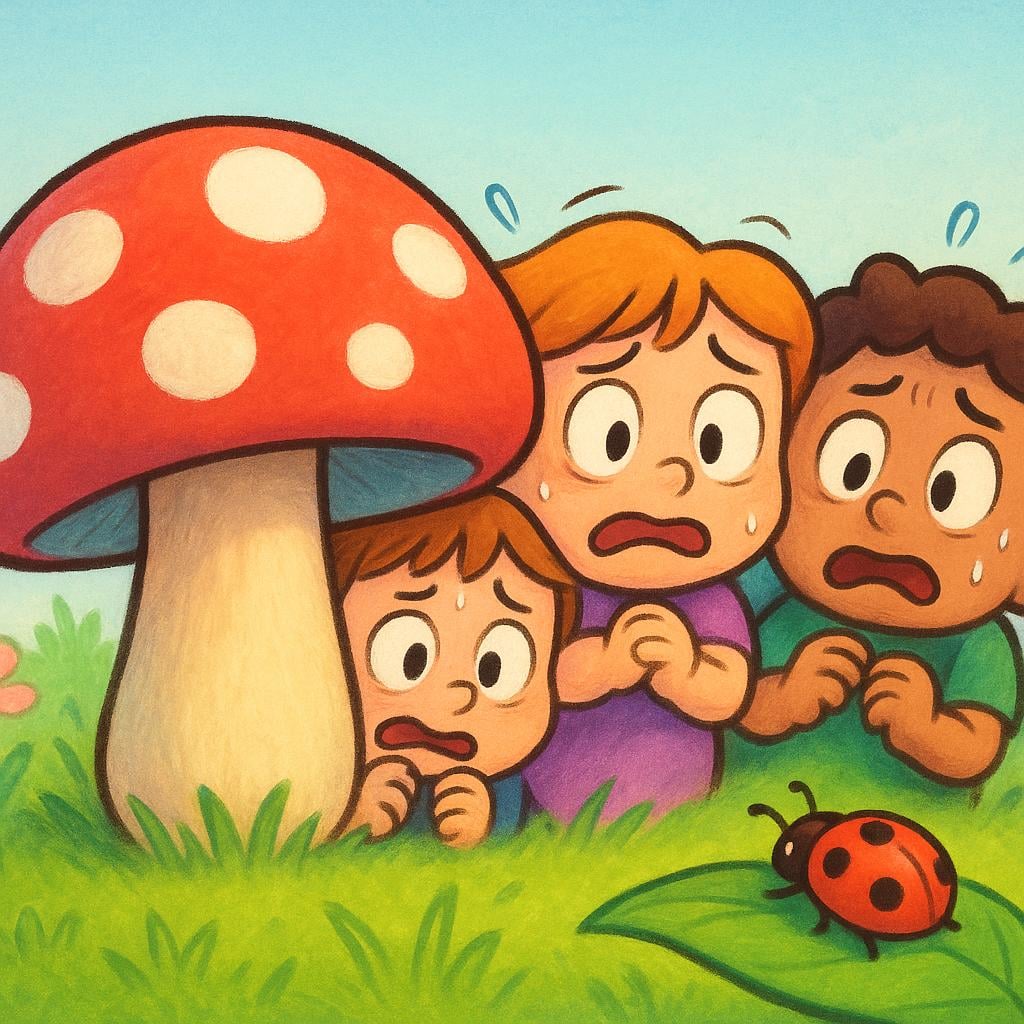
📝 In Action
Las decisiones que tomaron fueron muy cobardes.
B1The decisions they made were very cowardly.
Ellos son cobardes y no enfrentarán el problema.
A2They are cowardly and won't face the problem.
cowards
Also: chicken-hearts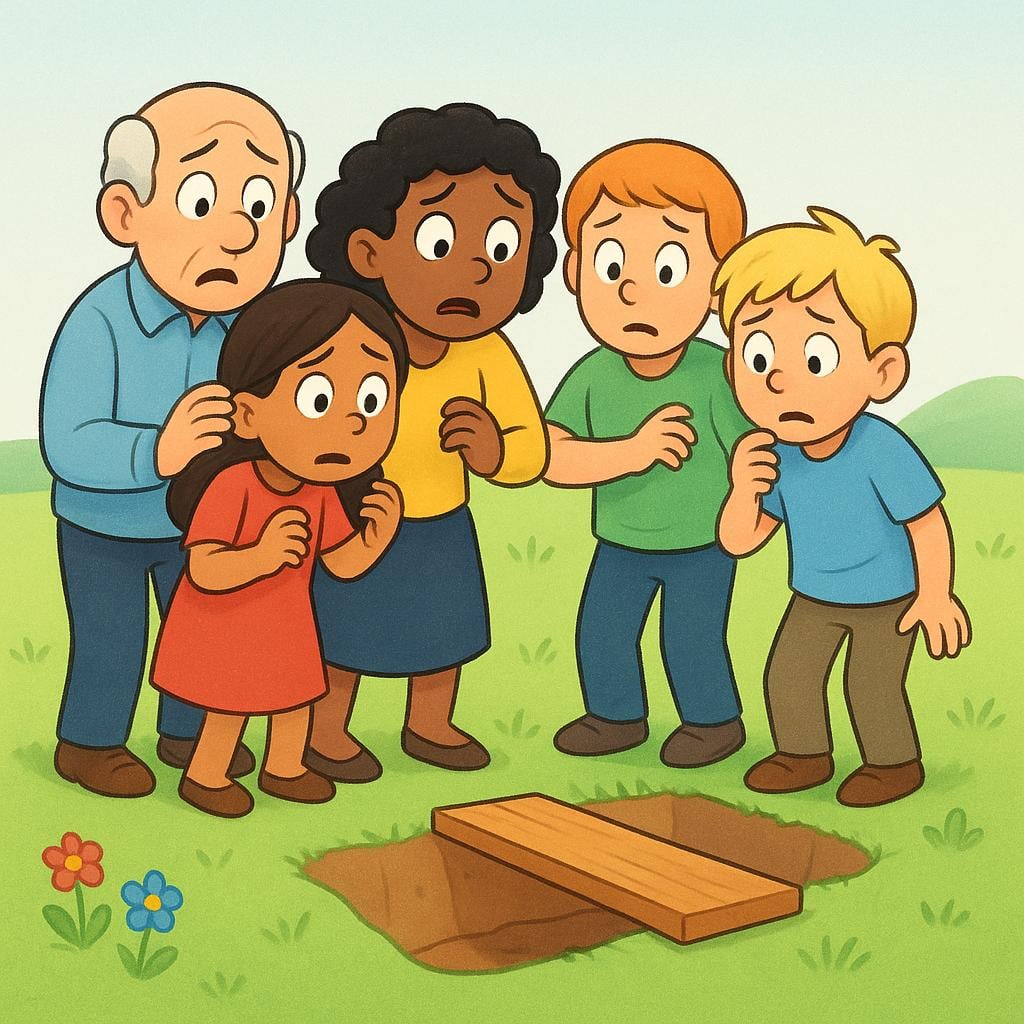
📝 In Action
Los cobardes se escondieron en lugar de ayudar.
B1The cowards hid instead of helping.
¡No seáis cobardes! Enfrentad la situación.
B2Don't be cowards! Face the situation.
Translate to Spanish
✏️ Quick Practice
Quick Quiz: cobardes
Question 1 of 1
Which sentence uses 'cobardes' as a noun (referring to people)?
📚 More Resources
👥 Word Family▼
🎵 Rhymes▼
📚 Etymology▼
The word *cobarde* comes from Old French or Provençal, likely related to the word for 'tail' (*coa* or *coda*). The original meaning referred to someone who 'turns tail' or 'hides their tail between their legs' in fear, suggesting a lack of bravery.
First recorded: Medieval period (around 13th century in related Romance languages)
Cognates (Related words)
💡 Master Spanish
Take your Spanish to the next level. Read 200+ illustrated and narrated Spanish stories tailored to your level with the Inklingo app!
Frequently Asked Questions
Does 'cobardes' change based on gender?
No. *Cobardes* is a gender-neutral plural word. You use it for both masculine plural nouns (los hombres cobardes) and feminine plural nouns (las mujeres cobardes). The singular form is 'cobarde' for both genders as well.