gallinas
“gallinas” means “hens” in Spanish. It has 2 different meanings depending on context:
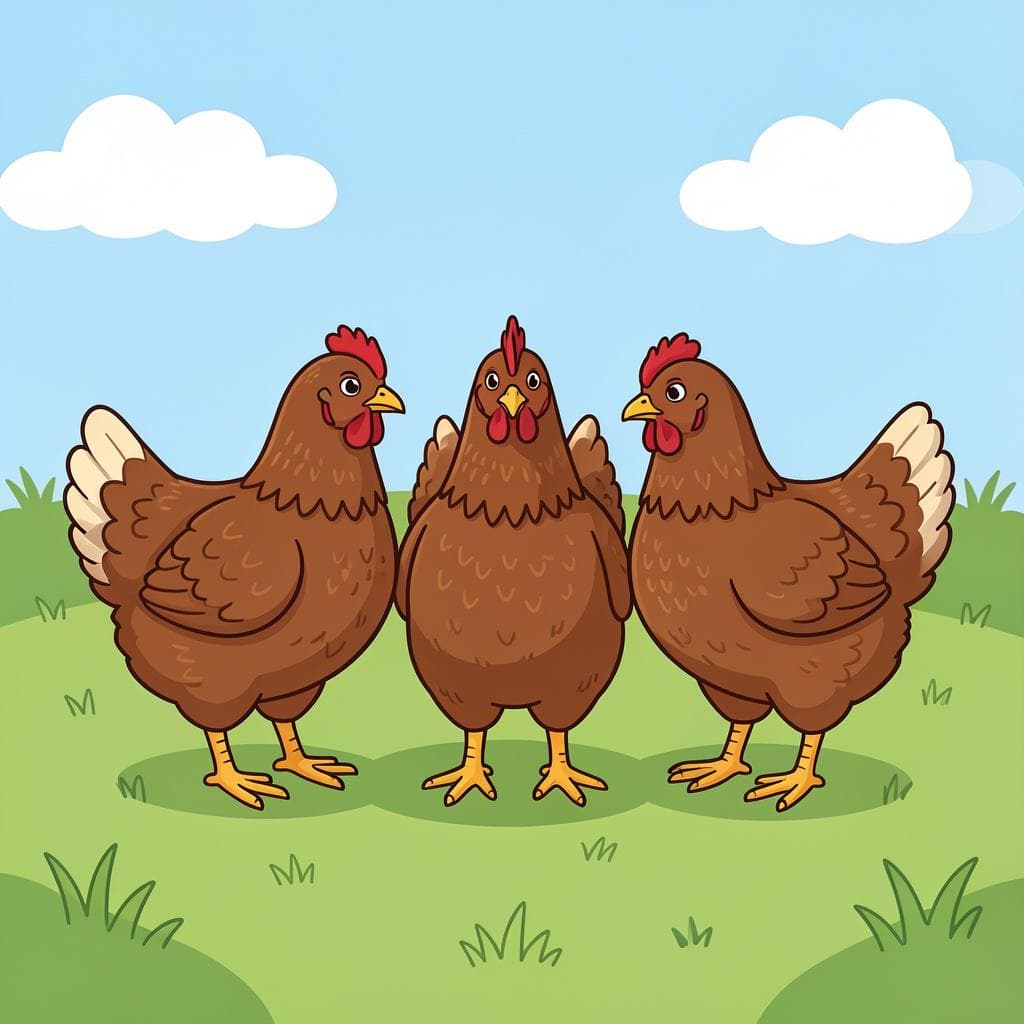

hens
Also: chickens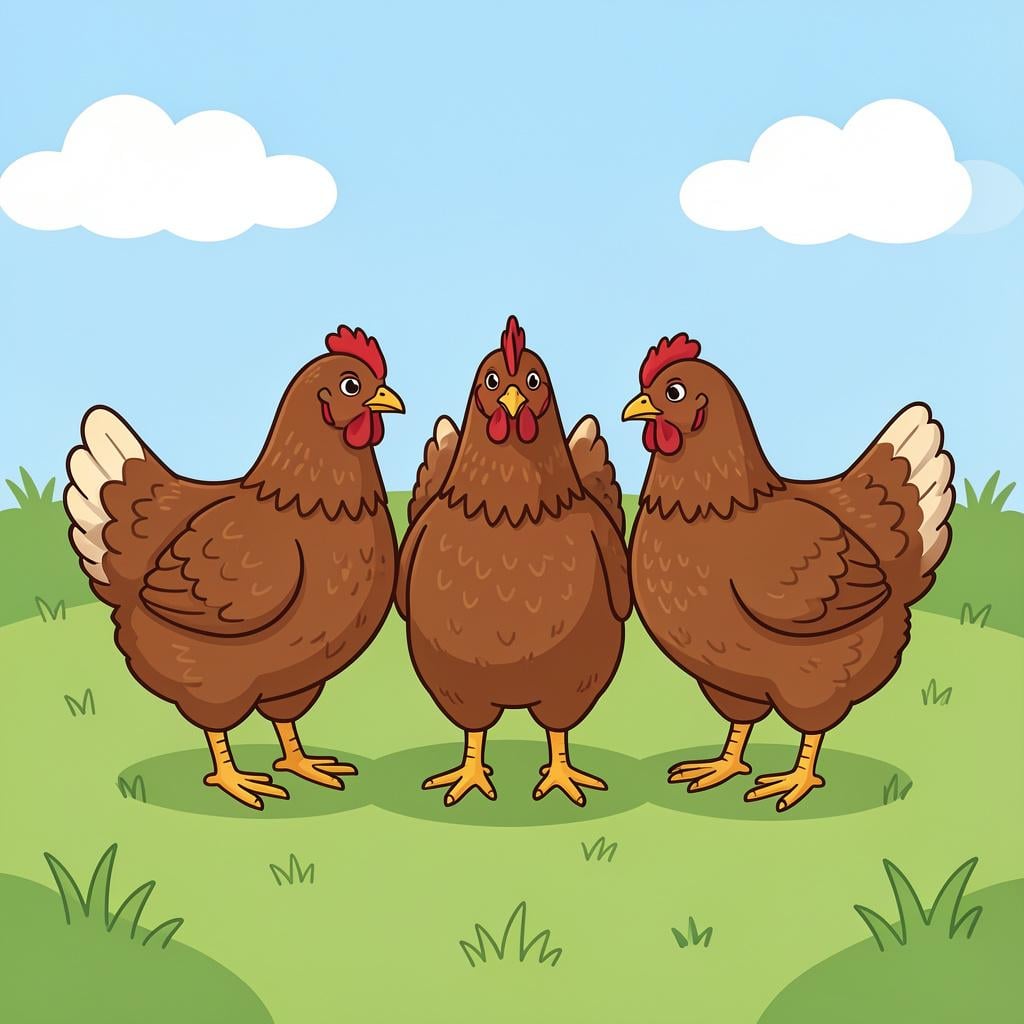
📝 In Action
Las gallinas están comiendo maíz en el patio.
A1The hens are eating corn in the yard.
Mis tíos tienen diez gallinas que ponen huevos cada mañana.
A1My aunt and uncle have ten hens that lay eggs every morning.
cowards
Also: chickens
📝 In Action
No sean gallinas, el agua no está tan fría.
A2Don't be chickens, the water isn't that cold.
Ellos son unos gallinas y no quisieron entrar a la casa vieja.
B1They are cowards and didn't want to go into the old house.
Vocabulary Collections
Translate to Spanish
✏️ Quick Practice
Quick Quiz: gallinas
Question 1 of 1
If someone says 'No sean gallinas,' what are they likely suggesting?
📚 More Resources
👥 Word Family▼
🎵 Rhymes▼
📚 Etymology▼
From the Latin word 'gallina', which was the female version of 'gallus' (rooster).
First recorded: 10th century
Cognates (Related words)
💡 Master Spanish
Take your Spanish to the next level. Read 200+ illustrated and narrated Spanish stories tailored to your level with the Inklingo app!
Frequently Asked Questions
Can I use 'gallinas' for male chickens?
No, 'gallinas' specifically refers to female chickens (hens). For males, you should use 'gallos' (roosters).
Why do people say 'un gallina' for a man?
Even though the man is male, the word 'gallina' is a fixed feminine noun when it means 'coward.' So, the word ending doesn't change to 'o'.