cojo
“cojo” means “lame” in Spanish. It has 2 different meanings depending on context:

lame, limping
Also: wobbly, crippled
📝 In Action
El perro estaba cojo después de la caída.
A2The dog was limping after the fall.
Esta silla está coja; no te sientes en ella.
B1This chair is wobbly; don't sit on it.
Se levantó y se fue, aunque parecía un poco cojo.
B2He got up and left, even though he seemed a little lame.
I take, I catch
Also: I pick up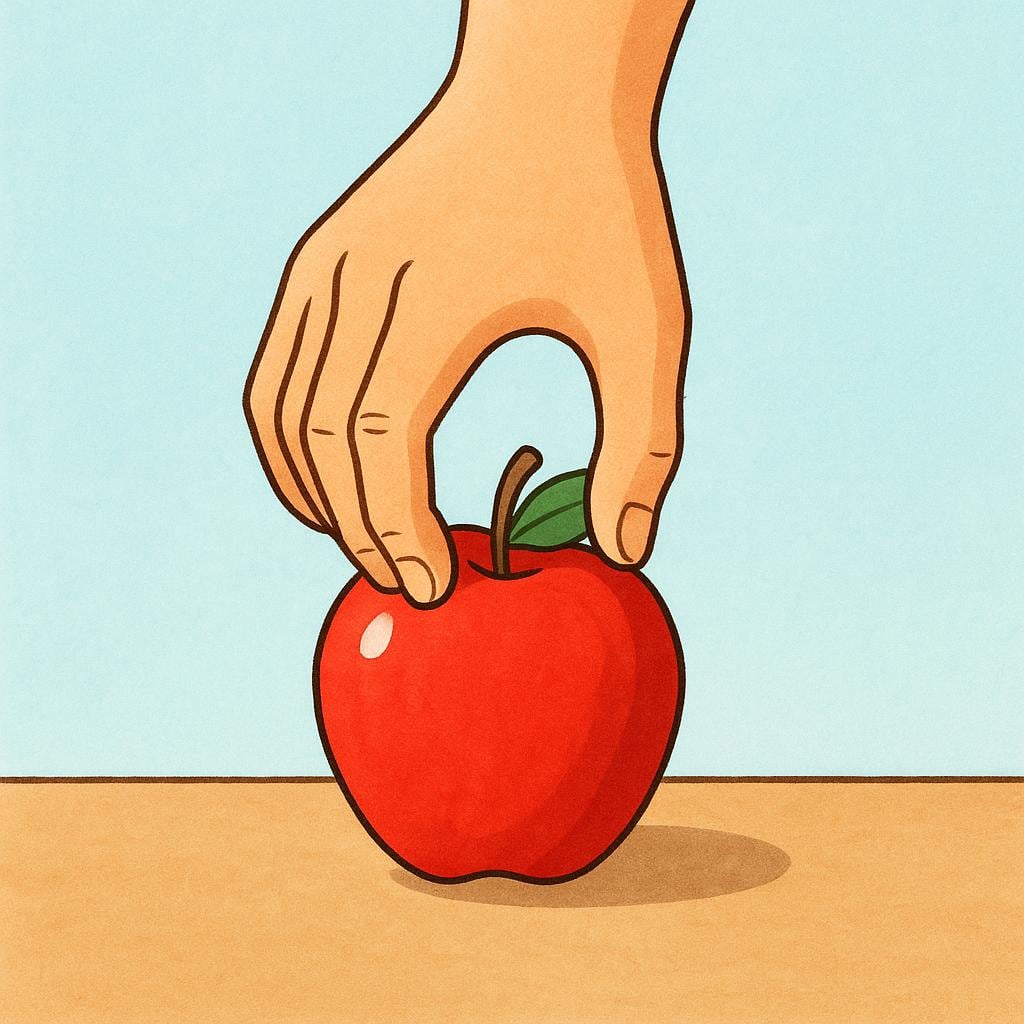
📝 In Action
Yo cojo el autobús todos los días para ir al trabajo.
A1I take the bus every day to go to work.
Cojo un taxi si llego tarde.
A2I grab a taxi if I arrive late.
Si cojo ese resfriado, me quedaré en casa.
B1If I catch that cold, I will stay home.
Indicative
Present
Imperfect
Preterite
Subjunctive
Present Subjunctive
Imperfect Subjunctive
Translate to Spanish
✏️ Quick Practice
Quick Quiz: cojo
Question 1 of 2
Which sentence uses 'cojo' as the first-person action (I grab)?
📚 More Resources
👥 Word Family▼
📚 Etymology▼
The adjective 'cojo' comes from the Latin word *coxus*, which referred to the hip or thigh, implying an injury to the leg or hip that causes limping. The verb 'coger' (of which 'cojo' is a form) has a separate origin, coming from the Latin *colligere*, meaning 'to gather' or 'to collect'.
First recorded: 13th century (for the adjective)
Cognates (Related words)
💡 Master Spanish
Take your Spanish to the next level. Read 200+ illustrated and narrated Spanish stories tailored to your level with the Inklingo app!
Frequently Asked Questions
Why does 'cojo' sound like it should be spelled with a 'g' (cogo)?
The base verb is 'coger' (with a 'g'). When the 'g' comes immediately before an 'o' or 'a', Spanish spelling rules require it to change to a 'j' (like in 'cojo') to keep the strong 'H' sound, otherwise it would sound like 'co-go' (with a soft G), which is incorrect for this verb.
Is the adjective 'cojo' offensive?
It can be. While it literally means 'lame' or 'limping,' many people prefer descriptive phrases like 'una persona que cojea' (a person who limps) to avoid using the direct adjective, which some find overly blunt or insensitive.