contenedor
“contenedor” means “bin” in Spanish. It has 2 different meanings depending on context:

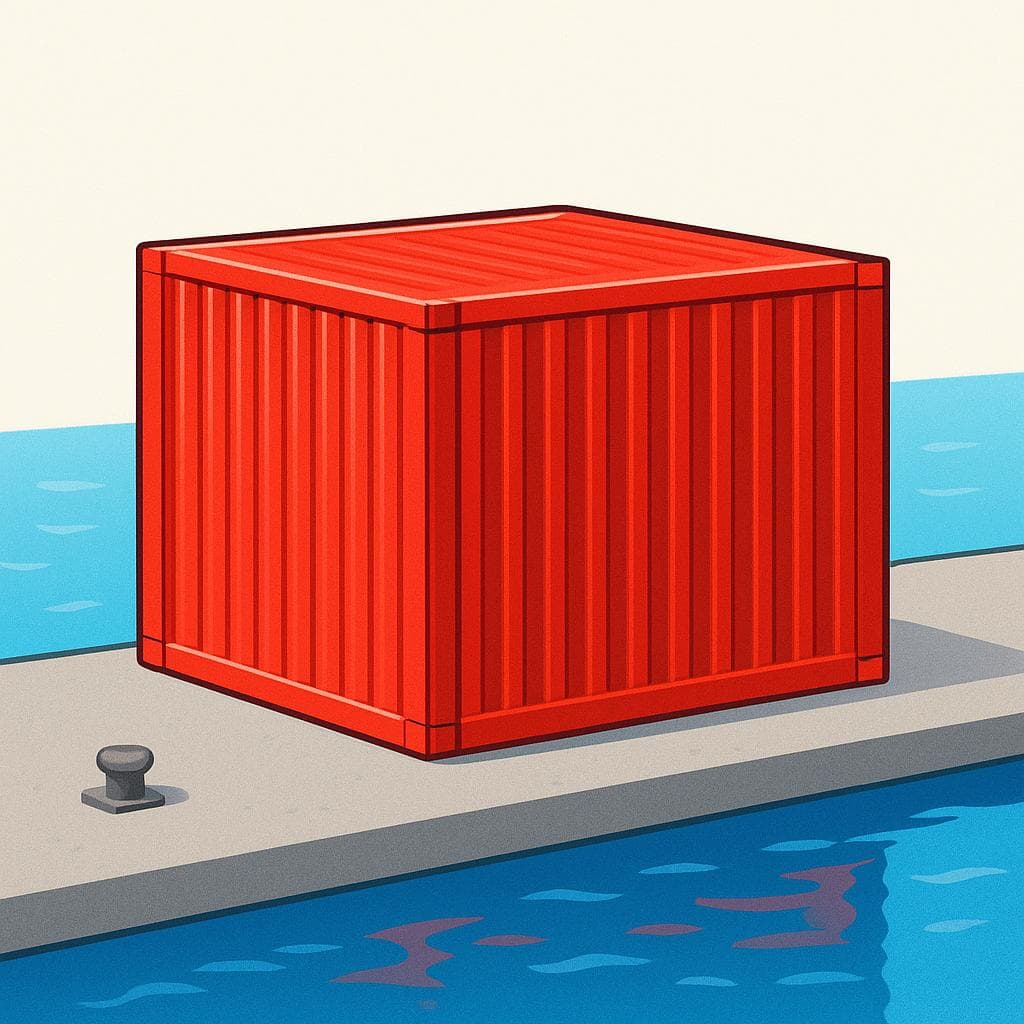
bin, dumpster
Also: waste receptacle
📝 In Action
Tienes que tirar el cartón en el contenedor azul.
A2You have to throw the cardboard in the blue recycling bin.
Los trabajadores vaciaron el contenedor de basura esta mañana.
B1The workers emptied the dumpster this morning.
shipping container
Also: freight container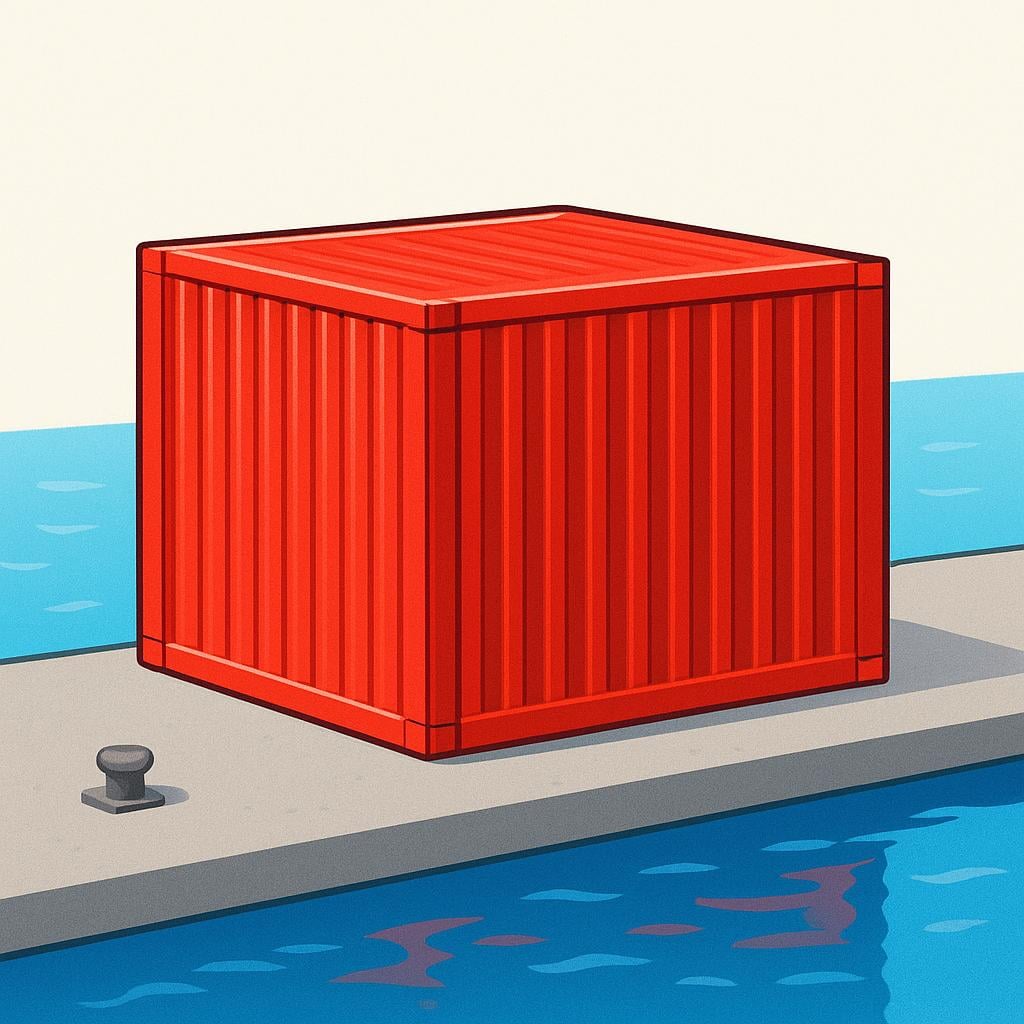
📝 In Action
Las mercancías llegaron al puerto dentro de un contenedor de veinte pies.
B1The goods arrived at the port inside a twenty-foot shipping container.
Necesitamos alquilar varios contenedores para la mudanza internacional.
B2We need to rent several containers for the international move.
Translate to Spanish
Words that translate to "contenedor" in Spanish:
bin→dumpster→freight container→shipping container→waste receptacle→✏️ Quick Practice
Quick Quiz: contenedor
Question 1 of 1
Which sentence uses 'contenedor' to mean a large trash bin?
📚 More Resources
👥 Word Family▼
📚 Etymology▼
'Contenedor' comes directly from the Spanish verb 'contener' (to contain or hold). The ending '-dor' is a functional suffix that means 'the thing that performs the action,' so 'contenedor' is literally 'the thing that contains.' The root verb 'contener' comes from the Latin 'continere,' meaning 'to hold together.'
First recorded: 15th century (as a general concept), but its modern use for large industrial boxes is much more recent (20th century).
Cognates (Related words)
💡 Master Spanish
Take your Spanish to the next level. Read 200+ illustrated and narrated Spanish stories tailored to your level with the Inklingo app!
Frequently Asked Questions
Is 'contenedor' used for small household containers, like tupperware?
Not usually. For smaller, kitchen-type containers, Spanish speakers typically use 'recipiente' or 'táper' (from Tupperware). 'Contenedor' is reserved for large, industrial, or public-use bins.
Why is it always masculine (el contenedor)?
In Spanish, nouns that end in the suffix '-dor' and refer to a tool or object (like 'secador' or 'ascensor') are almost always masculine, which is why we say 'el contenedor'.