convertirte
“convertirte” means “to become yourself” in Spanish (Focuses on personal transformation or identity).
to become yourself, to turn into
Also: to change (yourself), to get yourself to convert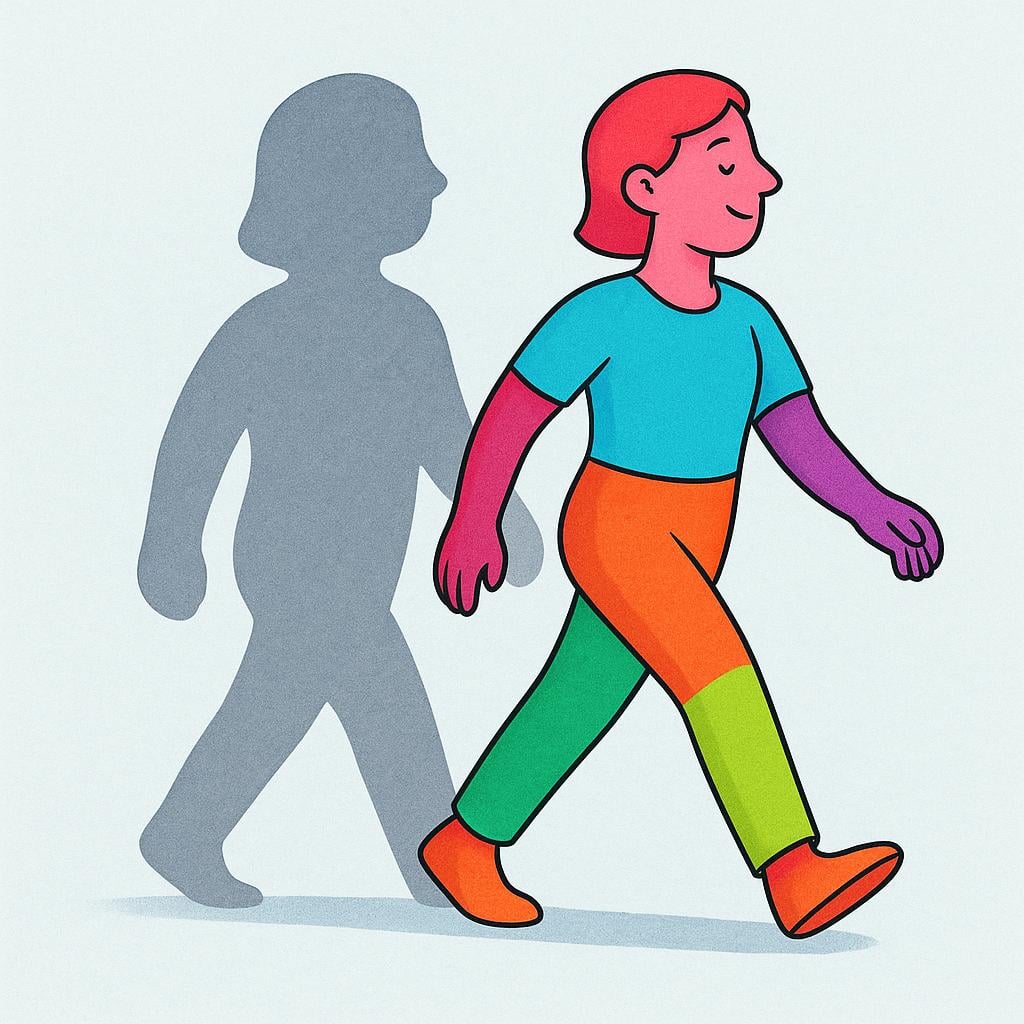
📝 In Action
Necesitas estudiar mucho para convertirte en abogado.
B1You need to study a lot to become a lawyer.
No quiero convertirte en mi enemigo, solo quiero ayudarte.
B2I don't want to turn you into my enemy, I just want to help you.
Puedes convertirte en la mejor versión de ti mismo si te esfuerzas.
B1You can become the best version of yourself if you try hard.
Indicative
Imperfect
Present
Preterite
Subjunctive
Imperfect Subjunctive
Present Subjunctive
✏️ Quick Practice
Quick Quiz: convertirte
Question 1 of 1
Which sentence correctly uses 'convertirte'?
📚 More Resources
👥 Word Family▼
🎵 Rhymes▼
📚 Etymology▼
The word comes from the Latin *convertere*, meaning 'to turn around' or 'to change completely.' The Spanish verb retains this core sense of changing direction or state. The attached 'te' is the modern evolution of the Latin object pronoun for 'you'.
First recorded: 13th century
Cognates (Related words)
💡 Master Spanish
Take your Spanish to the next level. Read 200+ illustrated and narrated Spanish stories tailored to your level with the Inklingo app!
Frequently Asked Questions
Why does 'convertirte' end in '-te'?
The '-te' is the pronoun for 'you' (tú). It tells you that the action of converting is happening to the person you are talking to. Since the action is directed back at the subject, this is a reflexive verb, meaning 'to change yourself' or 'to become'.
When do I use 'convertirte' versus 'convertirse'?
You use 'convertirte' specifically when addressing one person informally (tú). You use 'convertirse' when addressing someone formally (usted), or when talking about a third person or thing (él/ella/eso/ellos).